Neoterpes edwardsata
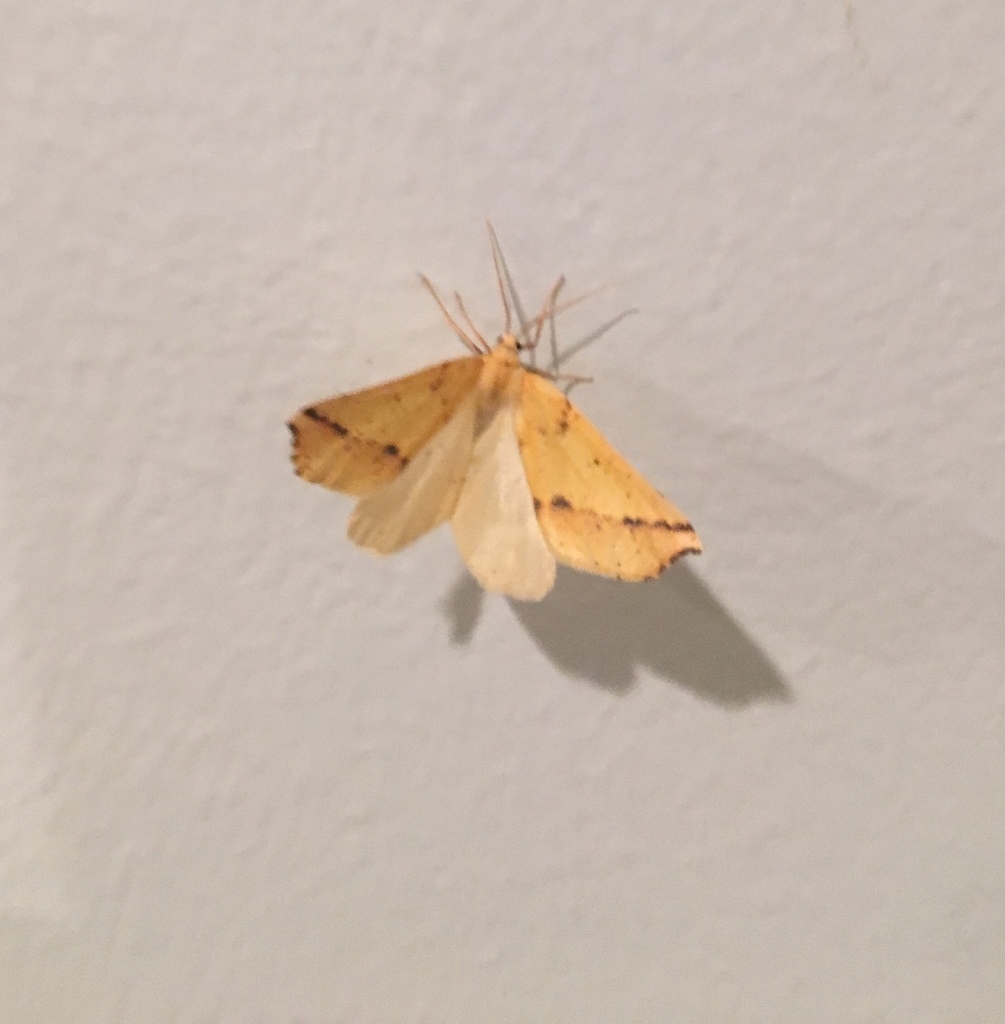
(c) Mark Wagner, some rights reserved (CC BY) · licence
Family: Geometridae · Class: Insecta · Order: Lepidoptera
Neoterpes edwardsata is a California animal in the Geometridae family.
Neoterpes edwardsata is a geometrid moth in the family Geometridae, commonly known as inchworms or measuring worms in their larval stage. As a member of this diverse family, adults likely possess the characteristic broad wings held horizontally when at rest and slender bodies typical of geometrids. The wingspan and specific coloration patterns for this species have not been documented in accessible scientific literature. The geographic range and distribution of Neoterpes edwardsata remain poorly documented in current taxonomic databases and species inventories. Without verified occurrence records, the species' presence in California or elsewhere cannot be confirmed through available authoritative sources. The lack of documented collection records or observational data suggests this may be either an extremely rare species, a taxonomic synonym, or a species with limited study. Habitat preferences for Neoterpes edwardsata are unknown due to insufficient ecological data. Geometridae moths typically inhabit diverse environments ranging from forests to grasslands, with larvae feeding on various plant species. Adult geometrids are generally nocturnal and attracted to artificial lights, but specific habitat requirements for this species cannot be determined from current sources. Life history characteristics including larval host plants, flight periods, and reproductive behavior have not been documented for Neoterpes edwardsata. Geometridae larvae typically feed on leaves of woody and herbaceous plants, moving in a characteristic looping motion due to having fewer prolegs than other moth caterpillars. Adults usually have one or more generations per year depending on climate and latitude, but specific timing for this species remains unknown. The conservation status of Neoterpes edwardsata cannot be assessed due to lack of population data, distribution records, or threat assessments. The species does not appear on federal or state endangered species lists, nor does it have documented conservation rankings from NatureServe or the International Union for Conservation of Nature. This absence from conservation databases may indicate either that the species is stable and widespread, extremely rare and undetected, or represents a taxonomic issue requiring resolution. The limited available information suggests Neoterpes edwardsata requires further taxonomic investigation and field surveys to establish its valid status, distribution, and ecological requirements. Comprehensive lepidopteran surveys in potential habitat areas would be necessary to determine if this species occurs in California or elsewhere, and to assess any conservation needs.
Classification
Class: Insecta · Order: Lepidoptera · Family: Geometridae
Frequently asked questions
How is Neoterpes edwardsata classified?
Neoterpes edwardsata belongs to class Insecta, order Lepidoptera, family Geometridae.
What family does Neoterpes edwardsata belong to?
Neoterpes edwardsata is in the Geometridae family.
What is Neoterpes edwardsata?
Neoterpes edwardsata is a geometrid moth in the family Geometridae, commonly known as inchworms or measuring worms in their larval stage.
Is Neoterpes edwardsata found in California?
Yes. Neoterpes edwardsata is recorded in California in The California Species Project's catalogue.
Related species
Other California species in the same genus, family, or bioregion.
Data from The California Species Project — 14,000+ California species with verified data from CNPS, CDFW, USFWS, and more.