Neothremma siskiyou
Siskiyou Caddisfly
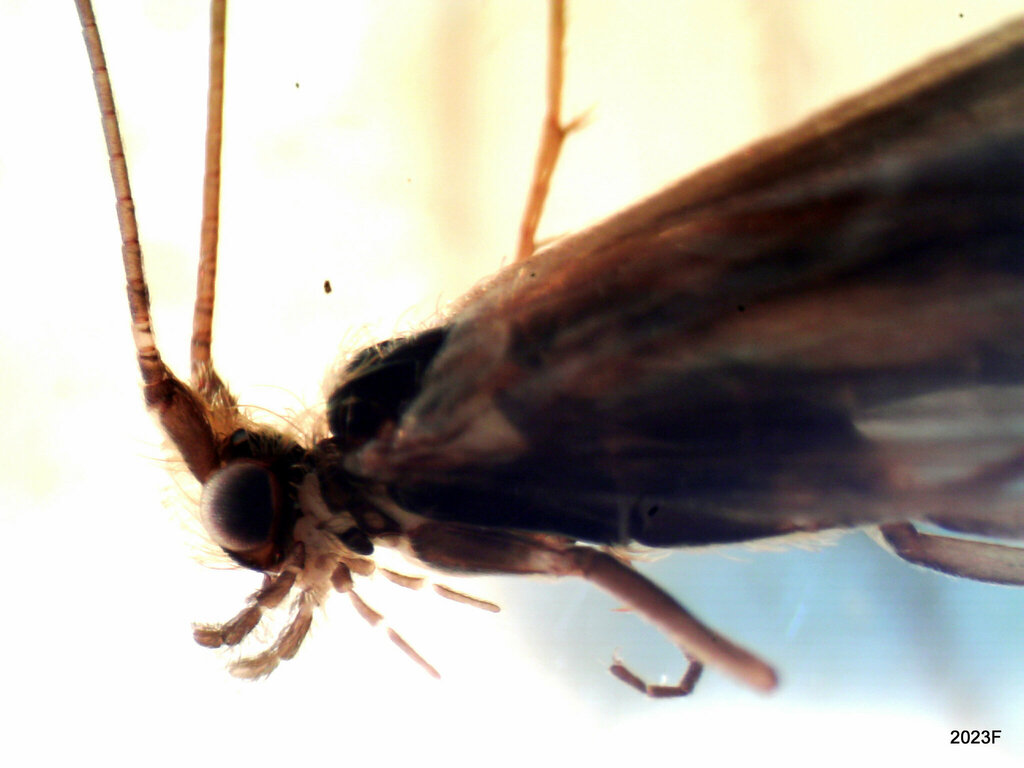
no rights reserved · CC0
Family: Uenoidae · Class: Insecta · Order: Trichoptera
Conservation status: G1G2 S1
Neothremma siskiyou (Siskiyou Caddisfly) is a California animal in the Uenoidae family.
The Siskiyou caddisfly is a rare aquatic insect endemic to the Klamath-Siskiyou region of northern California and southern Oregon. As a member of the family Uenoidae, this species exhibits the typical caddisfly life cycle with aquatic larvae that construct protective cases and terrestrial adults. Specific morphological details for this species have not been comprehensively documented in available literature. The species occurs in the Siskiyou Mountains along the California-Oregon border, with documented populations in both states. In California, the species is known from Siskiyou County, while Oregon records exist in the southern Cascade Range and Siskiyou Mountain regions. The distribution appears to be highly fragmented, with populations separated by considerable distances across the rugged mountainous terrain of the Klamath-Siskiyou ecoregion. Siskiyou caddisflies inhabit cold, clear mountain streams and their tributaries. The species requires well-oxygenated flowing waters typical of high-gradient streams in forested watersheds. Larvae likely occur in rocky substrates where they construct cases from available materials such as small stones, sand grains, or organic debris. Adults emerge to mate and deposit eggs in or near suitable aquatic habitats during warmer months, though specific timing has not been well documented. Larval stages feed on organic matter including algae, detritus, and small invertebrates, playing an important role in stream ecosystem nutrient cycling. Adults have reduced mouthparts and likely do not feed extensively, focusing instead on reproduction. The species exhibits complete metamorphosis, with larvae pupating underwater before emerging as winged adults. Generation time and specific reproductive behaviors remain poorly studied. The California Department of Fish and Wildlife assigns this species a State Rank of S1, indicating it is critically imperiled in California with typically 5 or fewer occurrences. The Global Rank of G1G2 suggests the species is critically imperiled to imperiled throughout its entire range, with very few populations and high vulnerability to extinction. This ranking reflects the species' extremely limited distribution and small population sizes. Primary threats to the Siskiyou caddisfly include habitat degradation from logging activities, road construction, and water diversions that alter stream flow regimes. Climate change poses additional risks through altered precipitation patterns and increased water temperatures that could exceed the species' thermal tolerance. The fragmented distribution makes populations particularly vulnerable to local extirpations from drought, pollution events, or habitat destruction. Sedimentation from forestry practices and development activities can degrade the clean gravel and rocky substrates required by larvae. Conservation efforts focus on protecting remaining stream habitats and maintaining water quality within the species' limited range. Forest management practices that preserve riparian buffers and minimize erosion are critical for maintaining suitable conditions. The species' rarity and specialized habitat requirements make it particularly vulnerable to environmental changes, emphasizing the need for continued monitoring and habitat protection in the Klamath-Siskiyou region. This species is included on the California Department of Fish and Wildlife's Special Animals List.
Classification
Class: Insecta · Order: Trichoptera · Family: Uenoidae
Conservation status
G1G2 S1
Frequently asked questions
How is Neothremma siskiyou classified?
Neothremma siskiyou belongs to class Insecta, order Trichoptera, family Uenoidae.
What family does Neothremma siskiyou belong to?
Neothremma siskiyou is in the Uenoidae family.
Is Neothremma siskiyou protected or of conservation concern?
Neothremma siskiyou carries the following status: G1G2 S1.
What is Neothremma siskiyou?
The Siskiyou caddisfly is a rare aquatic insect endemic to the Klamath-Siskiyou region of northern California and southern Oregon.
Is Neothremma siskiyou found in California?
Yes. Neothremma siskiyou is recorded in California in The California Species Project's catalogue.
Related species
Other California species in the same genus, family, or bioregion.
Data from The California Species Project — 14,000+ California species with verified data from CNPS, CDFW, USFWS, and more.