Neotoma albigula venusta
Colorado Valley Woodrat
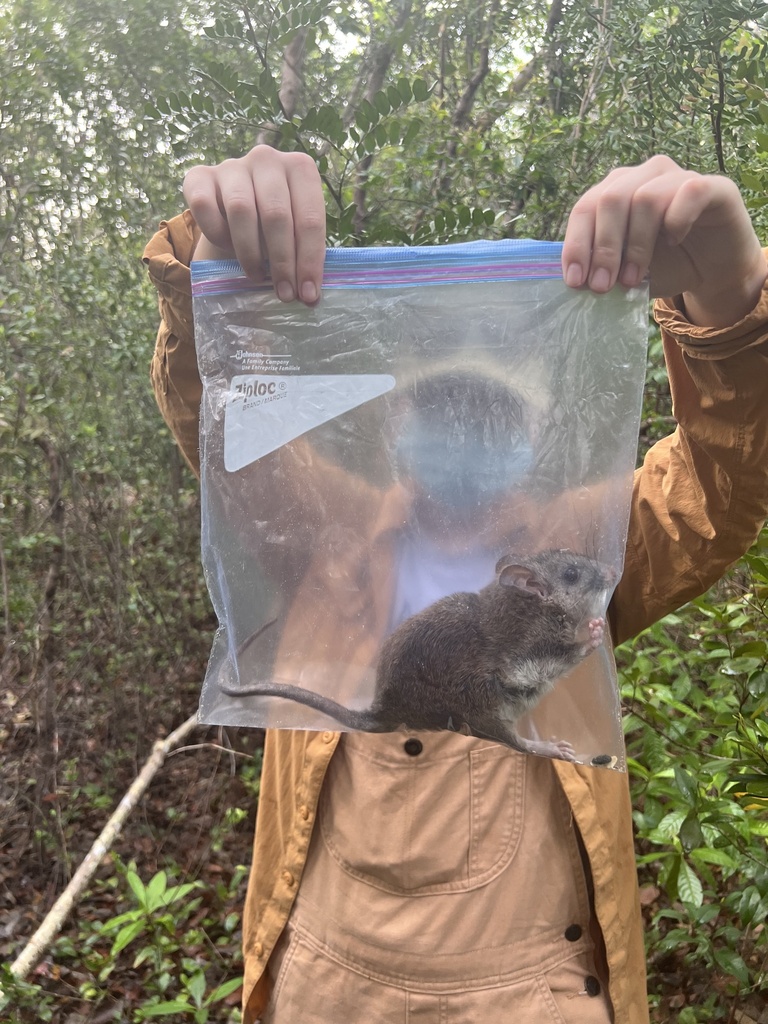
no rights reserved · CC0
Family: Cricetidae · Class: Mammalia · Order: Rodentia
Conservation status: G5T3T4 S1S2
Neotoma albigula venusta (Colorado Valley Woodrat) is a California animal in the Cricetidae family.
The Colorado Valley woodrat (Neotoma albigula venusta) is a subspecies of the white-throated woodrat endemic to the Colorado River valley region of southeastern California. This medium-sized rodent measures approximately 200-350 mm in total length, with adults typically weighing between 122-240 grams for females and 132-350 grams for males. The subspecies exhibits the characteristic white throat and underparts of N. albigula, contrasting with grayish-brown dorsal coloration. The tail is long and well-haired, typically bicolored with darker upper surfaces and lighter undersides. The Colorado Valley woodrat has an extremely limited range in California, occurring only in the Colorado River valley along the state's southeastern border with Arizona. This subspecies is found in Imperial and eastern Riverside counties, representing the westernmost extent of N. albigula's distribution. The species' California range is restricted to desert riparian areas and adjacent upland habitats within the Sonoran Desert ecosystem. This subspecies inhabits desert riparian woodlands, particularly areas with dense shrub cover and rocky outcrops. Preferred habitat includes palo verde-ironwood washes, mesquite bosques, and adjacent desert scrub communities. The Colorado Valley woodrat constructs characteristic stick houses or dens in rocky crevices, abandoned buildings, or dense vegetation. These structures serve as shelter, food storage sites, and protection from predators and extreme temperatures. Colorado Valley woodrats are primarily nocturnal and exhibit typical woodrat behaviors including the collection and caching of plant materials. Their diet consists mainly of green vegetation, seeds, fruits, and bark from desert plants including palo verde, ironwood, mesquite, and various cacti. Breeding occurs primarily from late winter through early summer, with females producing litters of 2-4 young after a gestation period of approximately 30-37 days. The species constructs elaborate middens around den sites, accumulating plant debris that can persist for decades. The Colorado Valley woodrat is designated G5T3T4 globally, indicating the full species is secure but this subspecies is vulnerable to apparently secure. In California, it receives a state rank of S1S2, reflecting its extremely limited distribution and small population size within the state. The subspecies faces threats from habitat loss due to agricultural conversion, urban development, and water diversions in the Colorado River valley. Invasive plant species, particularly tamarisk, have altered riparian habitat structure and composition. Climate change may exacerbate water scarcity and alter plant community composition in desert riparian areas. The subspecies' restricted California range makes it particularly vulnerable to local extirpation from habitat degradation or loss. Conservation efforts focus on protecting remaining riparian habitat and managing invasive species in the Colorado River valley ecosystem.
Classification
Class: Mammalia · Order: Rodentia · Family: Cricetidae
Conservation status
G5T3T4 S1S2
Frequently asked questions
How is Neotoma albigula venusta classified?
Neotoma albigula venusta belongs to class Mammalia, order Rodentia, family Cricetidae.
What family does Neotoma albigula venusta belong to?
Neotoma albigula venusta is in the Cricetidae family.
Is Neotoma albigula venusta protected or of conservation concern?
Neotoma albigula venusta carries the following status: G5T3T4 S1S2.
What is Neotoma albigula venusta?
The Colorado Valley woodrat (Neotoma albigula venusta) is a subspecies of the white-throated woodrat endemic to the Colorado River valley region of southeastern California.
Is Neotoma albigula venusta found in California?
Yes. Neotoma albigula venusta is recorded in California in The California Species Project's catalogue.
Related species
Other California species in the same genus, family, or bioregion.
Data from The California Species Project — 14,000+ California species with verified data from CNPS, CDFW, USFWS, and more.