Noctua pronuba
European Yellow Underwing
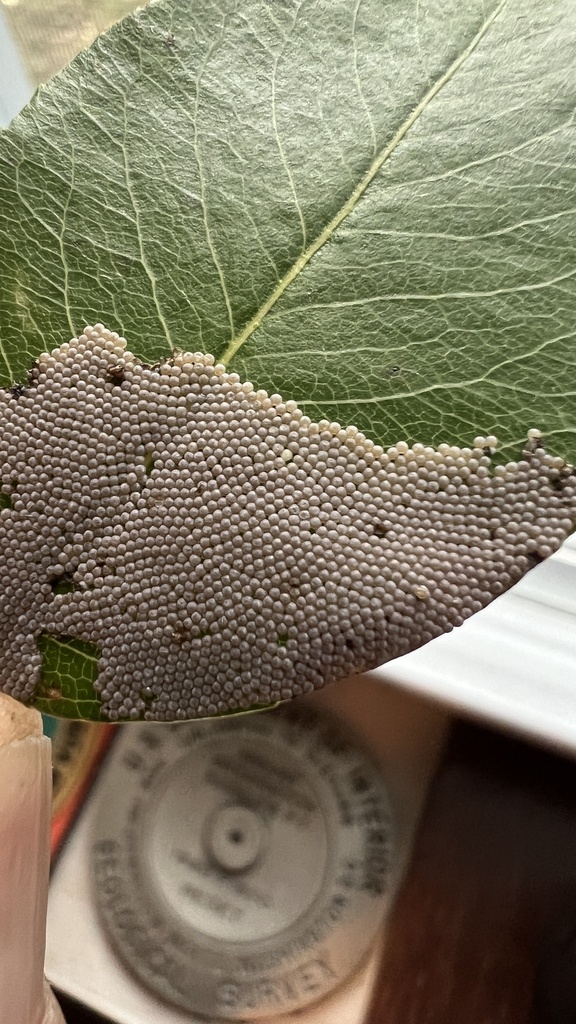
no rights reserved · CC0
Family: Noctuidae · Class: Insecta · Order: Lepidoptera
Noctua pronuba (European Yellow Underwing) is a California animal in the Noctuidae family.
The European yellow underwing is a medium-sized noctuid moth with forewings measuring 20-25 mm (0.8-1.0 inches) in length and a wingspan of 45-55 mm (1.8-2.2 inches). The forewings are variable in coloration, ranging from light brown to dark reddish-brown with darker mottling and distinct kidney-shaped and oval markings. The hindwings display the characteristic bright yellow coloration with a broad black border that gives this species its common name. When at rest, the forewings conceal the yellow hindwings, providing cryptic coloration against bark and soil. Native to Eurasia and Africa, Noctua pronuba was accidentally introduced to Nova Scotia in 1979 and has rapidly expanded across North America. The species has spread westward to Alaska and southward through the continental United States, reaching California and establishing populations in British Columbia. In California, the species is now found throughout much of the state, from coastal regions to inland valleys, and has been documented at elevations from sea level to approximately 1,500 meters (4,900 feet). European yellow underwing inhabits diverse environments, showing particular preference for disturbed areas, gardens, agricultural fields, and urban landscapes. The species thrives in areas with abundant herbaceous vegetation and artificial lighting. Adults are commonly attracted to porch lights, street lamps, and other artificial light sources during their nocturnal activity period. The moth tolerates a wide range of climatic conditions, contributing to its successful establishment across varied North American ecosystems. Adults are active from late spring through early fall, with peak flight periods typically occurring from June through September in most regions. The species produces one to two generations per year depending on local climate conditions. Females deposit eggs singly on host plant foliage, with larvae developing through six instars before pupating in soil chambers. The caterpillars are polyphagous, feeding on numerous weedy and cultivated herbaceous plants including Fragaria, Solanum lycopersicon var. cerasiforme (Solanaceae), Beta (Chenopodiaceae), and Vitis (Vitaceae). Larvae are primarily nocturnal feeders and may cause significant damage to crops and garden plants. The species overwinters as pupae in temperate regions. As an introduced species, Noctua pronuba is not protected by conservation legislation and is not assigned formal conservation status rankings. The moth is considered established throughout much of its introduced North American range and continues to expand its distribution. While not currently targeted for control programs, the species is monitored as part of agricultural pest management due to its potential impact on crops. The European yellow underwing's rapid spread and establishment success demonstrate the species' adaptability to North American conditions and its ability to exploit disturbed habitats created by human activities.
Classification
Class: Insecta · Order: Lepidoptera · Family: Noctuidae
Frequently asked questions
How is Noctua pronuba classified?
Noctua pronuba belongs to class Insecta, order Lepidoptera, family Noctuidae.
What family does Noctua pronuba belong to?
Noctua pronuba is in the Noctuidae family.
What is Noctua pronuba?
The European yellow underwing is a medium-sized noctuid moth with forewings measuring 20-25 mm (0.8-1.0 inches) in length and a wingspan of 45-55 mm (1.8-2.2 inches).
Is Noctua pronuba found in California?
Yes. Noctua pronuba is recorded in California in The California Species Project's catalogue.
Related species
Other California species in the same genus, family, or bioregion.
Data from The California Species Project — 14,000+ California species with verified data from CNPS, CDFW, USFWS, and more.