Nola involuta
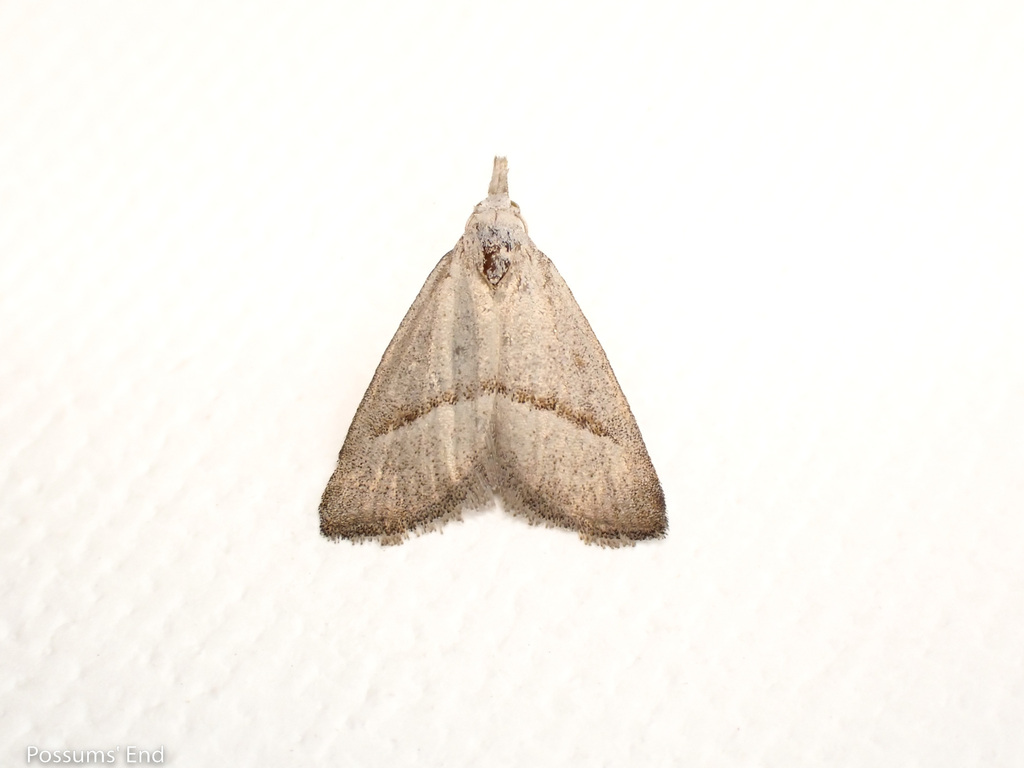
(c) Possums' End, some rights reserved (CC BY) · licence
Family: Nolidae · Class: Insecta · Order: Lepidoptera
Nola involuta is a California animal in the Nolidae family.
Nola involuta is a small moth species in the family Nolidae, a group commonly known as tuft moths. This species belongs to the genus Nola, which contains numerous small, cryptically colored moths found throughout North America. Adult moths typically measure 8-12 mm in wingspan, displaying muted brown and gray coloration with subtle patterning that provides effective camouflage against tree bark and vegetation. The forewings are narrow and elongated, often featuring darker crosslines and small discal spots characteristic of the genus. The hindwings are typically paler and less patterned than the forewings. The distribution and range of Nola involuta in California remains poorly documented in readily accessible scientific literature. Many Nola species are known from scattered localities across temperate regions of North America, but specific range information for this particular species requires further investigation through specialized lepidopteran databases and regional surveys. The moth likely occurs in areas with suitable host plants and appropriate microhabitat conditions. Habitat preferences for Nola involuta are not well-established in current literature, though related species in the genus typically inhabit deciduous and mixed forests, woodland edges, and areas with dense shrub vegetation. These moths are generally associated with environments that support their larval host plants. Many Nola species prefer areas with moderate canopy cover that provide both feeding opportunities for larvae and resting sites for adults. The life cycle and ecological behavior of Nola involuta follows the typical pattern of tuft moths. Adults are primarily nocturnal and are attracted to artificial lights during their flight period. The timing of adult emergence and flight periods varies among Nola species but typically occurs during warmer months. Larvae are external feeders on leaves of various woody plants, though the specific host plant relationships for N. involuta require verification through field studies and rearing observations. Many Nola species are polyphagous, feeding on multiple plant families including deciduous trees and shrubs. Like many small moth species, the larvae construct small shelters by folding or webbing leaves together, feeding within these protective structures. Pupation typically occurs in the soil or leaf litter in a simple earthen cell. The species likely produces one or two generations per year, depending on local climate conditions and elevation. The conservation status of Nola involuta has not been formally assessed by state or federal agencies. As with many small Lepidoptera, population trends and conservation needs are poorly understood due to limited survey data and taxonomic challenges within the genus. The species does not appear on current federal or California state listing documents as of December 2025. Many moths in this family face potential threats from habitat loss, pesticide use, and light pollution, though specific impacts on N. involuta populations remain unstudied. Further research is needed to establish baseline population data, habitat requirements, and potential conservation concerns for this species.
Classification
Class: Insecta · Order: Lepidoptera · Family: Nolidae
Frequently asked questions
How is Nola involuta classified?
Nola involuta belongs to class Insecta, order Lepidoptera, family Nolidae.
What family does Nola involuta belong to?
Nola involuta is in the Nolidae family.
What is Nola involuta?
Nola involuta is a small moth species in the family Nolidae, a group commonly known as tuft moths.
Is Nola involuta found in California?
Yes. Nola involuta is recorded in California in The California Species Project's catalogue.
Related species
Other California species in the same genus, family, or bioregion.
Data from The California Species Project — 14,000+ California species with verified data from CNPS, CDFW, USFWS, and more.