Noyo intersessa
Ten Mile Shoulderband
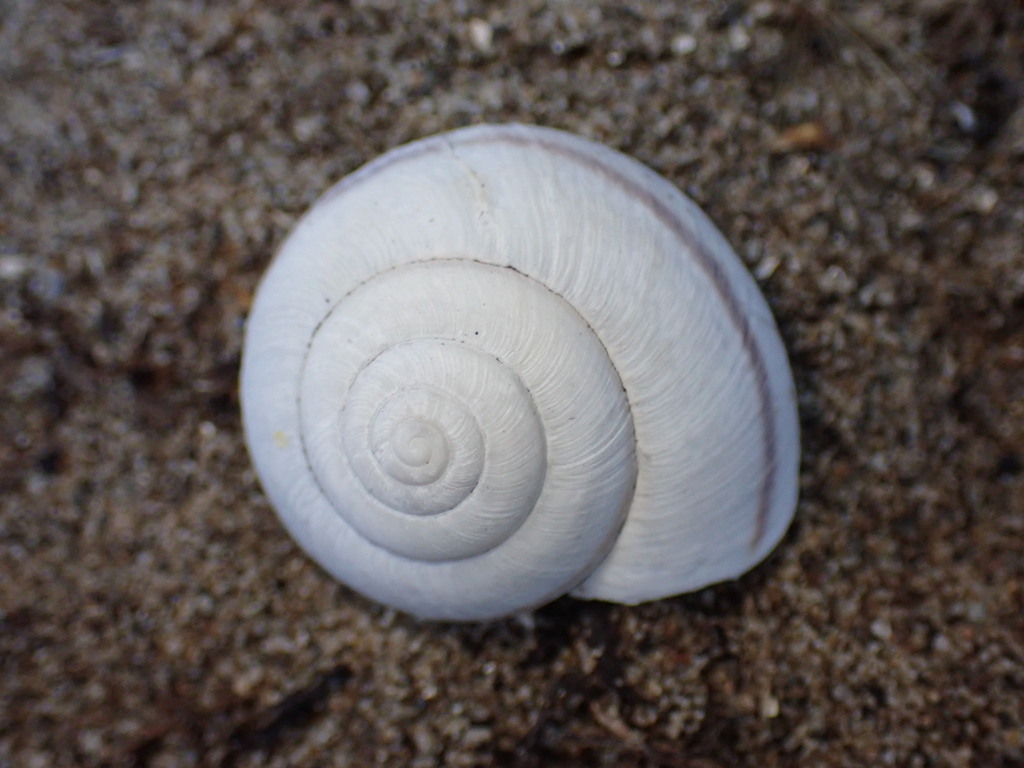
(c) Cricket Raspet, some rights reserved (CC BY) · licence
Family: Leptonetidae · Class: Arachnida · Order: Araneae
Conservation status: G2 S1S2
Noyo intersessa (Ten Mile Shoulderband) is a California animal in the Leptonetidae family.
The Ten Mile Shoulderband (Noyo intersessa) is a terrestrial gastropod mollusk endemic to California's North Coast. This species belongs to the family Leptonetidae, a group of air-breathing land snails characterized by their distinctive shell morphology and terrestrial lifestyle. Noyo intersessa is distinguished by its spiral shell structure typical of shoulderband snails, though detailed morphological descriptions remain limited in the scientific literature. Like other members of the Helminthoglypta genus complex, this species likely exhibits the characteristic shoulderband pattern that gives the group its common name, consisting of distinctive color bands across the shell whorl. The species has an extremely restricted range along California's North Coast, occurring in Mendocino County. According to NatureServe Explorer, suitable habitat for pulmonate gastropod groups like Noyo intersessa tends to be more varied and less restrictive than for prosobranch groups, suggesting some adaptability within its limited geographic range. The species' distribution appears to be associated with coastal forest ecosystems and adjacent habitats. Habitat requirements for Noyo intersessa have not been thoroughly documented in available literature. However, based on the ecology of related shoulderband snails and its coastal distribution, the species likely inhabits areas with adequate moisture retention and appropriate microhabitat structure. Coastal fog influence may be critical for maintaining the humidity levels necessary for this terrestrial gastropod's survival and activity patterns. As with other terrestrial gastropods, Noyo intersessa is presumed to be herbivorous, feeding on decaying organic matter, fungi, and possibly living plant material. Reproduction likely follows the hermaphroditic pattern typical of land snails, with individuals capable of both male and female reproductive functions. Seasonal activity patterns and specific breeding behaviors have not been documented for this species. Noyo intersessa carries a Global rank of G2 and a California State rank of S1S2, indicating it is imperiled both globally and within California. The G2 ranking suggests the species is at high risk of extinction due to very restricted range, very few populations, steep declines, or other factors. The S1S2 ranking indicates the species is critically imperiled to imperiled in California, with typically 5 or fewer occurrences or very few remaining individuals. Primary threats to the species likely include habitat loss and fragmentation from coastal development, logging activities, and recreational use of coastal areas. Climate change may pose additional risks through altered precipitation patterns and temperature regimes that could affect the moisture-dependent habitat conditions required by terrestrial gastropods. The species' extremely limited range makes it particularly vulnerable to localized disturbances. Scientific documentation for this species remains limited. This species is included on the California Department of Fish and Wildlife's Special Animals List. The information presented here is based on available sources including NatureServe Explorer and taxonomic databases. Detailed ecological studies, population assessments, and conservation planning efforts would benefit from additional field research and systematic surveys to better understand this rare gastropod's biology and conservation needs.
Classification
Class: Arachnida · Order: Araneae · Family: Leptonetidae
Conservation status
G2 S1S2
Frequently asked questions
How is Noyo intersessa classified?
Noyo intersessa belongs to class Arachnida, order Araneae, family Leptonetidae.
What family does Noyo intersessa belong to?
Noyo intersessa is in the Leptonetidae family.
Is Noyo intersessa protected or of conservation concern?
Noyo intersessa carries the following status: G2 S1S2.
What is Noyo intersessa?
The Ten Mile Shoulderband (Noyo intersessa) is a terrestrial gastropod mollusk endemic to California's North Coast.
Is Noyo intersessa found in California?
Yes. Noyo intersessa is recorded in California in The California Species Project's catalogue.
Related species
Other California species in the same genus, family, or bioregion.
Data from The California Species Project — 14,000+ California species with verified data from CNPS, CDFW, USFWS, and more.