Occidentalia comptulatalis
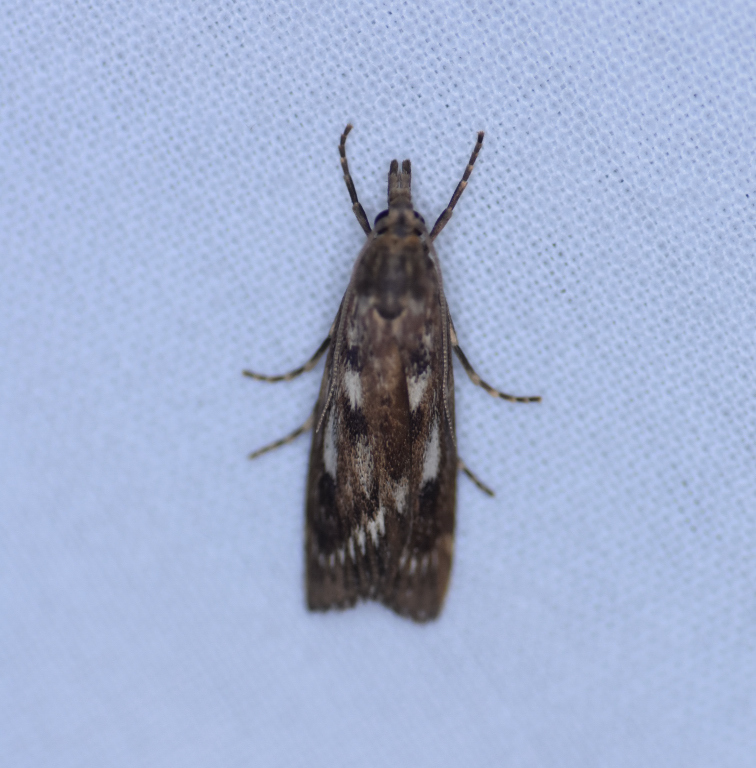
(c) Reiner Jakubowski, some rights reserved (CC BY-SA) · licence
Family: Crambidae · Class: Insecta · Order: Lepidoptera
Occidentalia comptulatalis is a California animal in the Crambidae family.
Occidentalia comptulatalis is a small moth in the family Crambidae, subfamily Crambinae, tribe Haimbachiini. This species represents one of the lesser-documented members of the North American pyraloid fauna, with limited published information available regarding its detailed morphology and life history characteristics. The taxonomic classification places this species within the superfamily Pyraloidea, a diverse group of moths commonly known as grass moths or snout moths. The genus Occidentalia contains species primarily distributed across western North America, though specific morphological descriptions for O. comptulatalis remain undocumented in readily accessible scientific literature. Based on available records, Occidentalia comptulatalis occurs in western North America, with documented presence extending into the Great Plains region. State records indicate the species has been collected in Nebraska, specifically from Hall County at Crane Meadows in June 2022, representing a state record for that location (2022 Season Summary). The species' California distribution and specific county occurrences have not been thoroughly documented in current literature, indicating potential knowledge gaps in our understanding of its western range. Habitat preferences for this species have not been well characterized in available scientific documentation. Members of the subfamily Crambinae typically inhabit grassland and prairie ecosystems, often associated with specific host plant families. The Nebraska collection locality at Crane Meadows suggests potential association with riparian or wetland-adjacent habitats, though this requires verification through additional field studies. Ecological information including flight periods, larval host plants, and reproductive biology remains largely undocumented for Occidentalia comptulatalis. The June collection date from Nebraska provides limited temporal data, but comprehensive phenology studies have not been conducted. Larval feeding habits and host plant associations have not been established, representing significant gaps in our biological understanding of this species. Most Crambinae larvae feed on grasses or other monocotyledonous plants, but specific host relationships for O. comptulatalis require investigation. No federal or state conservation listings have been established for this species. Population trends and conservation status remain unknown due to limited survey efforts and taxonomic attention. The apparent rarity of collection records may reflect either genuine scarcity or insufficient sampling rather than actual population status. The species appears in the U.S. Fish and Wildlife Service taxonomic database, indicating recognition within federal biodiversity inventories, though no specific conservation assessments have been completed. Scientific documentation for this species remains extremely limited. The information presented here synthesizes available records from lepidopterological literature and collection databases. Detailed studies of morphology, distribution, ecology, and conservation needs are required to provide comprehensive biological understanding. Field surveys across potential western habitats could clarify distribution patterns and habitat associations for this poorly known moth species.
Classification
Class: Insecta · Order: Lepidoptera · Family: Crambidae
Frequently asked questions
How is Occidentalia comptulatalis classified?
Occidentalia comptulatalis belongs to class Insecta, order Lepidoptera, family Crambidae.
What family does Occidentalia comptulatalis belong to?
Occidentalia comptulatalis is in the Crambidae family.
What is Occidentalia comptulatalis?
Occidentalia comptulatalis is a small moth in the family Crambidae, subfamily Crambinae, tribe Haimbachiini.
Is Occidentalia comptulatalis found in California?
Yes. Occidentalia comptulatalis is recorded in California in The California Species Project's catalogue.
Related species
Other California species in the same genus, family, or bioregion.
Data from The California Species Project — 14,000+ California species with verified data from CNPS, CDFW, USFWS, and more.