Odocoileus hemionus cerrosensis
Cedros Island mule Deer
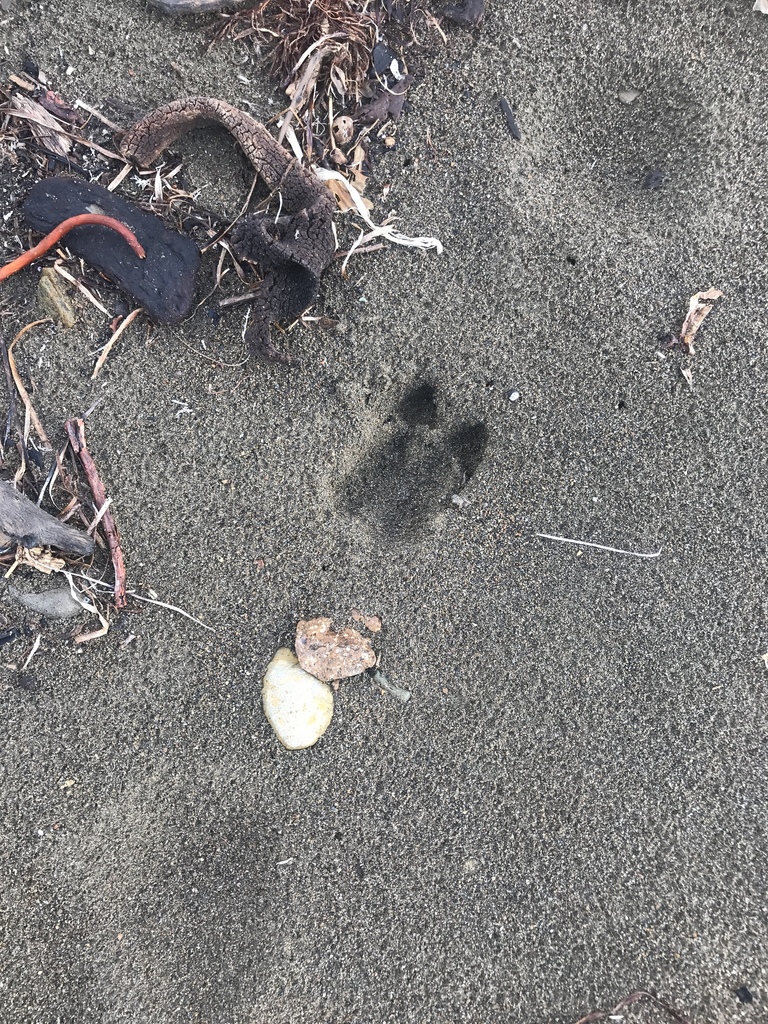
(c) Sula Vanderplank, some rights reserved (CC BY) · licence
Family: Cervidae · Class: Mammalia · Order: Artiodactyla
Conservation status: Endangered
Odocoileus hemionus cerrosensis (Cedros Island mule Deer) is a California animal in the Cervidae family.
The Cedros Island mule deer is a subspecies of mule deer endemic to Cedros Island, located off the Pacific coast of Baja California, Mexico. This insular deer represents one of the most geographically restricted cervid subspecies in North America, confined entirely to the 350 square kilometer (135 square mile) island that lies approximately 22 kilometers west of the Baja California peninsula. Physically, the Cedros Island mule deer exhibits the characteristic features of mule deer, including the distinctive large, mule-like ears from which the species derives its common name. Like other mule deer subspecies, it displays a brownish-gray coat that varies seasonally, with a darker winter pelage and lighter summer coloration. Males develop branched antlers that are shed and regrown annually, while both sexes possess the characteristic white rump patch bordered by dark bands and a black-tipped tail. The subspecies occurs exclusively on Cedros Island, which represents the largest of the California Islands at 350 square kilometers. The island's location in Mexican waters places this subspecies outside United States jurisdiction, though it falls under U.S. Endangered Species Act protection wherever found. Cedros Island features diverse topography ranging from coastal areas to interior mountainous terrain, providing varied habitat zones for the deer population. Cedros Island supports Mediterranean-type vegetation communities, including coastal sage scrub, chaparral-like shrublands, and grassland areas. The island's arid to semi-arid climate creates habitat conditions distinct from mainland mule deer ranges. Native plant communities on the island include 276 documented native plant species, many of which likely serve as forage for the deer. The island's isolation has resulted in unique ecological conditions that have shaped the subspecies' adaptation to insular life. As with other mule deer, the Cedros Island subspecies is primarily a browser, feeding on shrubs, forbs, and grasses available on the island. Breeding likely follows typical mule deer patterns, with rutting occurring in fall and fawning in late spring to early summer. The subspecies' behavior and ecology have been shaped by the island's limited size and resources, potentially resulting in smaller home ranges and different social dynamics compared to mainland populations. The U.S. Fish and Wildlife Service listed the Cedros Island mule deer as endangered under the Endangered Species Act in 1975 (Federal Register, September 25, 1975). The subspecies faces threats typical of insular populations, including limited genetic diversity, habitat degradation, and vulnerability to environmental changes. Historical impacts from introduced grazing animals and other anthropogenic disturbances have affected island vegetation communities. The island's management by Mexican agencies including CONANP, SEMAR, SEGOB, and SEMARNAT as of December 2025 provides some protection, though recovery efforts for this subspecies remain challenging due to its extremely limited range and small population size. The subspecies represents a critical conservation priority among North American cervids due to its endemic status and restricted distribution.
Classification
Class: Mammalia · Order: Artiodactyla · Family: Cervidae
Conservation status
Endangered
Frequently asked questions
How is Odocoileus hemionus cerrosensis classified?
Odocoileus hemionus cerrosensis belongs to class Mammalia, order Artiodactyla, family Cervidae.
What family does Odocoileus hemionus cerrosensis belong to?
Odocoileus hemionus cerrosensis is in the Cervidae family.
Is Odocoileus hemionus cerrosensis protected or of conservation concern?
Odocoileus hemionus cerrosensis carries the following status: Endangered.
What is Odocoileus hemionus cerrosensis?
The Cedros Island mule deer is a subspecies of mule deer endemic to Cedros Island, located off the Pacific coast of Baja California, Mexico.
Is Odocoileus hemionus cerrosensis found in California?
Yes. Odocoileus hemionus cerrosensis is recorded in California in The California Species Project's catalogue.
Related species
Other California species in the same genus, family, or bioregion.
Data from The California Species Project — 14,000+ California species with verified data from CNPS, CDFW, USFWS, and more.