Ofatulena duodecemstriata
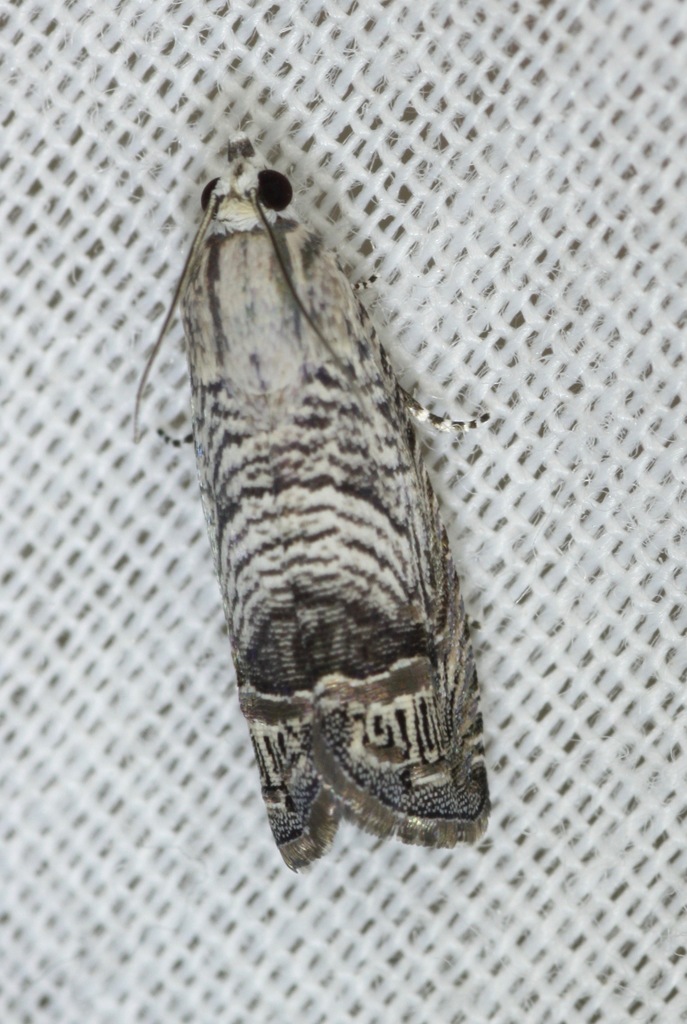
(c) Andrew Meeds, some rights reserved (CC BY) · licence
Family: Tortricidae · Class: Insecta · Order: Lepidoptera
Ofatulena duodecemstriata is a California animal in the Tortricidae family.
Ofatulena duodecemstriata is a small moth in the family Tortricidae, commonly known as leafroller moths. This species belongs to a genus of tortricid moths found in western North America. Like other members of the Tortricidae family, adults typically have a wingspan ranging from 10 to 25 millimeters, with forewings that are often mottled or banded in earth tones including browns, grays, and ochres. The specific epithet 'duodecemstriata' suggests the presence of twelve stripes or lines in the wing pattern, though detailed morphological descriptions require further taxonomic study. The distribution and range of O. duodecemstriata remain poorly documented in the scientific literature. Members of the genus Ofatulena are generally associated with western North American ecosystems, but specific locality records for this species are limited. The lack of comprehensive distributional data reflects the broader challenge of documenting micro-lepidoptera diversity, particularly in remote or understudied habitats. Habitat preferences for O. duodecemstriata are not well-established, though tortricid moths typically occupy diverse environments ranging from montane forests to coastal scrublands. Many Tortricidae species are associated with specific host plants, and larvae often develop within rolled or folded leaves, giving the family its common name. The microhabitat requirements likely include areas with suitable host vegetation and appropriate conditions for larval development and adult emergence. The life history and ecological behavior of O. duodecemstriata follow the general tortricid pattern of complete metamorphosis. Larvae are presumed to be leaf-tying or leaf-rolling specialists, creating shelters within host plant foliage where they feed and develop. Adult flight periods and voltinism (number of generations per year) remain undocumented for this species. Mating behaviors likely involve pheromone-mediated mate location, typical of most tortricid moths. Adults are presumably nocturnal or crepuscular, with attraction to artificial light sources. No formal conservation status has been assigned to O. duodecemstriata at federal, state, or international levels. The species does not appear on current endangered species lists or conservation priority rankings. However, the lack of recent collection records and limited ecological data make it difficult to assess population trends or conservation needs. Like many micro-lepidoptera, this species may be vulnerable to habitat modification, pesticide use, and climate change effects on host plant communities. The apparent rarity of museum specimens and absence from recent biodiversity surveys suggest either a naturally restricted distribution, specific habitat requirements, or potential decline that warrants further investigation. Future research priorities should include systematic surveys to establish current distribution, host plant associations, and population status. Molecular techniques may be necessary to clarify taxonomic relationships within the genus Ofatulena and confirm species boundaries. Conservation assessment will depend on gathering basic ecological and distributional data currently lacking for this poorly known species.
Classification
Class: Insecta · Order: Lepidoptera · Family: Tortricidae
Frequently asked questions
How is Ofatulena duodecemstriata classified?
Ofatulena duodecemstriata belongs to class Insecta, order Lepidoptera, family Tortricidae.
What family does Ofatulena duodecemstriata belong to?
Ofatulena duodecemstriata is in the Tortricidae family.
What is Ofatulena duodecemstriata?
Ofatulena duodecemstriata is a small moth in the family Tortricidae, commonly known as leafroller moths.
Is Ofatulena duodecemstriata found in California?
Yes. Ofatulena duodecemstriata is recorded in California in The California Species Project's catalogue.
Related species
Other California species in the same genus, family, or bioregion.
Data from The California Species Project — 14,000+ California species with verified data from CNPS, CDFW, USFWS, and more.