Oligia divesta
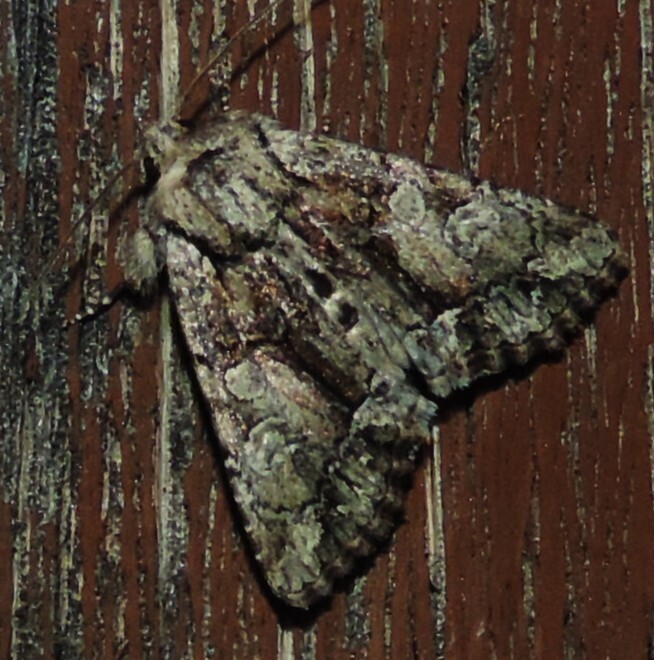
no rights reserved · CC0
Family: Noctuidae · Class: Insecta · Order: Lepidoptera
Oligia divesta is a California animal in the Noctuidae family.
Oligia divesta is a moth species in the family Noctuidae, commonly known as owlet moths or cutworm moths. This species belongs to the genus Oligia, which comprises a group of noctuid moths typically characterized by muted earth-tone coloration and nocturnal habits. Adult moths display forewings with a mottled brown and gray pattern, typical of many Oligia species, with subtle darker markings that provide effective camouflage against bark and dried vegetation during daylight hours. The wingspan typically measures 25 to 35 millimeters (1.0 to 1.4 inches), placing it among the medium-sized noctuids. The range and distribution of Oligia divesta in California remains poorly documented in accessible databases and literature. Many Oligia species exhibit restricted distributions tied to specific host plant associations and microhabitat requirements. Without verified occurrence records, the precise geographic distribution within California cannot be definitively established, though the genus Oligia is represented by several species throughout western North America. Habitat preferences for Oligia divesta are not well-documented in current literature. Members of the genus Oligia typically inhabit areas supporting their larval host plants, which often include grasses and herbaceous plants in the families Poaceae and various forb families. These moths generally favor areas with moderate moisture levels and may be associated with riparian zones, meadows, or grasslands where suitable host vegetation occurs. The life cycle of Oligia divesta likely follows the typical noctuid pattern, with adults active during nighttime hours when they engage in mating behaviors and nectar feeding. Females deposit eggs on or near host plants, where larvae develop through multiple instars before pupating. Larval feeding habits are unknown for this specific species, but related Oligia moths often feed on grasses and low-growing herbaceous plants. The larvae may feed primarily during nighttime hours, a behavior common among noctuid caterpillars that helps them avoid predation and thermal stress. Conservation status information for Oligia divesta is notably absent from major databases and wildlife agency listings. The species does not appear on federal endangered species lists, California state listings, or global conservation assessments through IUCN. This absence of conservation status designation may reflect insufficient survey data rather than population stability, as many moth species remain inadequately studied. The lack of documented threats, population trends, or conservation measures suggests this species has received limited scientific attention. The taxonomic validity and current classification of Oligia divesta requires verification, as moth taxonomy continues to undergo revision with molecular analyses. Some historical names may represent synonyms or misidentifications, emphasizing the need for systematic surveys and taxonomic clarification of California's moth fauna. Without comprehensive field studies and collection records, the true distribution, ecological requirements, and conservation needs of this species remain uncertain.
Classification
Class: Insecta · Order: Lepidoptera · Family: Noctuidae
Frequently asked questions
How is Oligia divesta classified?
Oligia divesta belongs to class Insecta, order Lepidoptera, family Noctuidae.
What family does Oligia divesta belong to?
Oligia divesta is in the Noctuidae family.
What is Oligia divesta?
Oligia divesta is a moth species in the family Noctuidae, commonly known as owlet moths or cutworm moths.
Is Oligia divesta found in California?
Yes. Oligia divesta is recorded in California in The California Species Project's catalogue.
Related species
Other California species in the same genus, family, or bioregion.
Data from The California Species Project — 14,000+ California species with verified data from CNPS, CDFW, USFWS, and more.