Oligia rampartensis
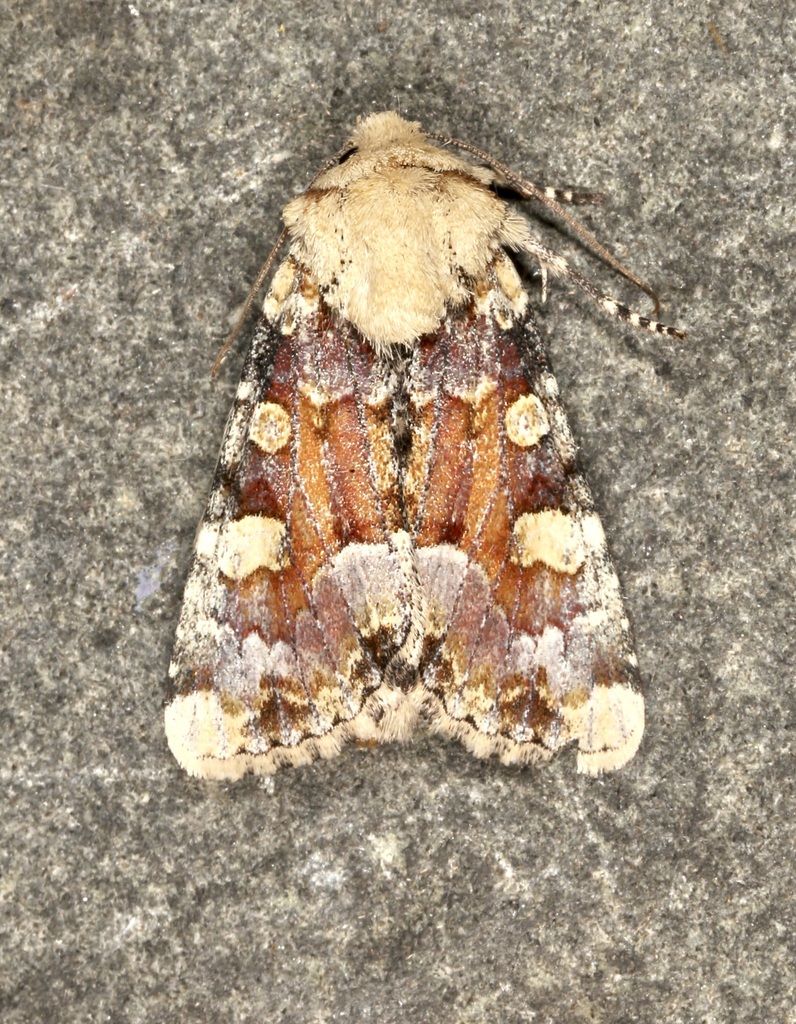
(c) Laura Gaudette, some rights reserved (CC BY) · licence
Family: Noctuidae · Class: Insecta · Order: Lepidoptera
Oligia rampartensis is a California animal in the Noctuidae family.
Oligia rampartensis is a moth species in the family Noctuidae, subfamily Hadeninae, tribe Apameini. This species belongs to a genus of noctuid moths that are typically medium-sized with subdued coloration patterns characteristic of many members of the Apameini tribe. Like other Oligia species, adults likely possess forewings with subtle markings and earth-toned coloration that provides effective camouflage during daytime resting periods. The species occurs in western North America, with documented records from Oregon and potentially extending into northern California. Based on available collection records, O. rampartensis has been documented in multiple Oregon counties including Crook, Klamath, and Wallowa counties (News of the Lepidopterists' Society 2009, 2014). Specific locality records include Brothers in Crook County, Klamath Marsh National Wildlife Refuge, and Mount Howard at 8,150 feet elevation in Wallowa County (News of the Lepidopterists' Society 2017). The species appears to have a scattered distribution pattern across these mountainous and high desert regions of the Pacific Northwest. Habitat preferences for O. rampartensis appear to encompass a range of elevations from moderate to high montane environments. Collection records indicate the species occurs from approximately 4,000 feet elevation up to at least 8,150 feet, suggesting adaptation to cooler montane conditions. The species has been documented in areas associated with national wildlife refuges and experimental forests, indicating potential associations with relatively undisturbed natural habitats. Given the elevation range and geographic distribution, likely habitat types include montane meadows, open woodlands, and transition zones between different vegetation communities. Flight period data indicates adult activity during summer months, with collection records spanning from July through September. Peak activity appears to occur in July and August based on available records. Like other members of the genus Oligia, adults are likely nocturnal and attracted to artificial lights during surveys. The species presumably has a single generation per year, which is typical for montane moth species in temperate regions. Larval host plants have not been definitively documented, though related Oligia species often utilize grasses and low-growing herbaceous plants as larval food sources. The conservation status of O. rampartensis has not been formally assessed. The species appears in the U.S. Fish and Wildlife Service taxonomic database, suggesting it may be a species of conservation interest, though no federal listing status has been assigned as of December 2025. Limited collection records and apparent restriction to montane habitats suggest the species may have naturally low population densities or limited distribution. Climate change impacts on high-elevation habitats could pose potential threats to montane species like O. rampartensis, particularly if warming temperatures alter suitable habitat availability or host plant communities. Additional survey work and taxonomic research would be valuable for better understanding the distribution, abundance, and conservation needs of this species.
Classification
Class: Insecta · Order: Lepidoptera · Family: Noctuidae
Frequently asked questions
How is Oligia rampartensis classified?
Oligia rampartensis belongs to class Insecta, order Lepidoptera, family Noctuidae.
What family does Oligia rampartensis belong to?
Oligia rampartensis is in the Noctuidae family.
What is Oligia rampartensis?
Oligia rampartensis is a moth species in the family Noctuidae, subfamily Hadeninae, tribe Apameini.
Is Oligia rampartensis found in California?
Yes. Oligia rampartensis is recorded in California in The California Species Project's catalogue.
Related species
Other California species in the same genus, family, or bioregion.
Data from The California Species Project — 14,000+ California species with verified data from CNPS, CDFW, USFWS, and more.