Oligocentria pallida
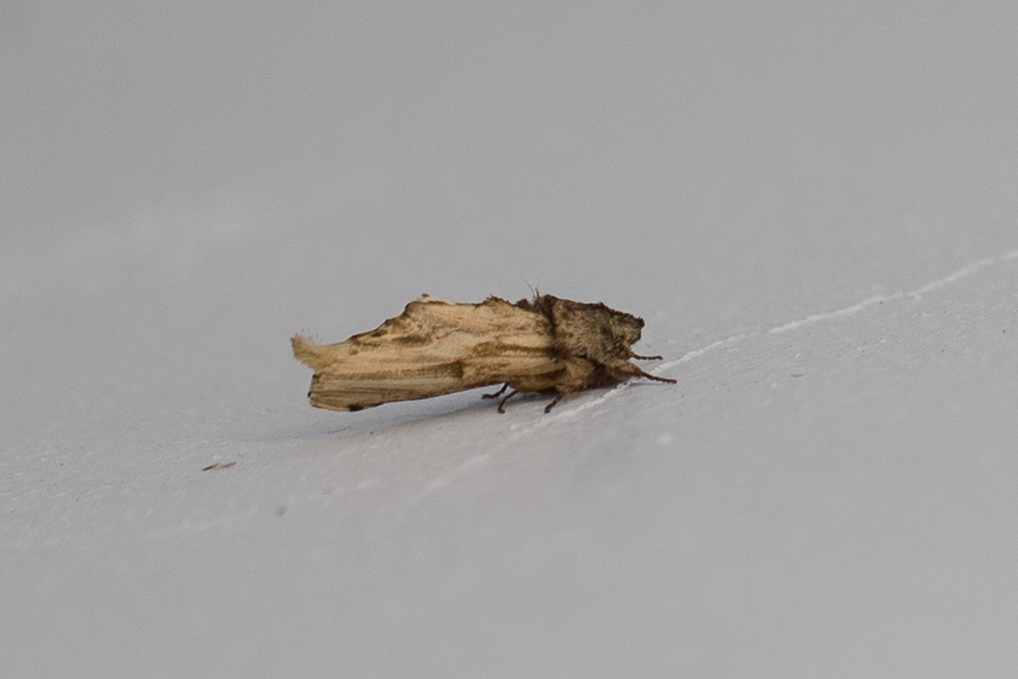
no rights reserved · CC0
Family: Notodontidae · Class: Insecta · Order: Lepidoptera
Oligocentria pallida is a California animal in the Notodontidae family.
Oligocentria pallida is a moth species in the family Notodontidae, commonly known as prominent moths. This species represents one of the lesser-documented members of its genus within California's lepidopteran fauna. Adult moths exhibit the typical notodontid body structure with a robust thorax and moderately broad forewings. The species name 'pallida' suggests pale coloration, though detailed morphological descriptions remain limited in the scientific literature. The distribution and range of Oligocentria pallida in California requires further documentation. Members of the genus Oligocentria are generally associated with temperate forest regions across North America, suggesting this species likely occurs in suitable woodland habitats within the state. However, specific county records and elevation ranges for this particular species have not been well-established in current databases. Habitat preferences for Oligocentria pallida likely align with other members of the genus, which typically inhabit deciduous and mixed forest environments. Notodontid moths generally require specific host plants for larval development, and Oligocentria species are often associated with trees in the Rosaceae family, including wild cherry and related species. Adults are typically active during evening and nighttime hours, attracted to artificial light sources. The life cycle follows the standard lepidopteran pattern with egg, larval, pupal, and adult stages. Larvae, known as caterpillars, likely feed on the foliage of specific host trees, potentially specializing on one or a few closely related plant species. The timing of adult emergence and reproductive activity varies among notodontid species, with many completing one or two generations per year depending on climate and altitude. Adult moths typically have a relatively short lifespan focused on mating and reproduction. The conservation status of Oligocentria pallida remains unclear due to limited survey data and taxonomic uncertainty within the genus. Many moth species face threats from habitat loss, urbanization, light pollution, and climate change. Forest fragmentation can particularly impact species that require specific host plants or continuous woodland habitat. The use of pesticides and herbicides in both urban and agricultural settings may also affect population stability. Current knowledge gaps regarding this species highlight the need for comprehensive lepidopteran surveys in California. Many moth species remain poorly documented compared to butterflies and other more visible insects. Improved taxonomic research, including molecular analysis and morphological studies, may be necessary to clarify the status and distribution of Oligocentria pallida within the state. Conservation efforts for California's moth fauna would benefit from systematic inventory work and habitat protection measures in forested regions where this and related species likely occur.
Classification
Class: Insecta · Order: Lepidoptera · Family: Notodontidae
Frequently asked questions
How is Oligocentria pallida classified?
Oligocentria pallida belongs to class Insecta, order Lepidoptera, family Notodontidae.
What family does Oligocentria pallida belong to?
Oligocentria pallida is in the Notodontidae family.
What is Oligocentria pallida?
Oligocentria pallida is a moth species in the family Notodontidae, commonly known as prominent moths.
Is Oligocentria pallida found in California?
Yes. Oligocentria pallida is recorded in California in The California Species Project's catalogue.
Related species
Other California species in the same genus, family, or bioregion.
Data from The California Species Project — 14,000+ California species with verified data from CNPS, CDFW, USFWS, and more.