Omus californicus
California Night-stalking Tiger Beetle
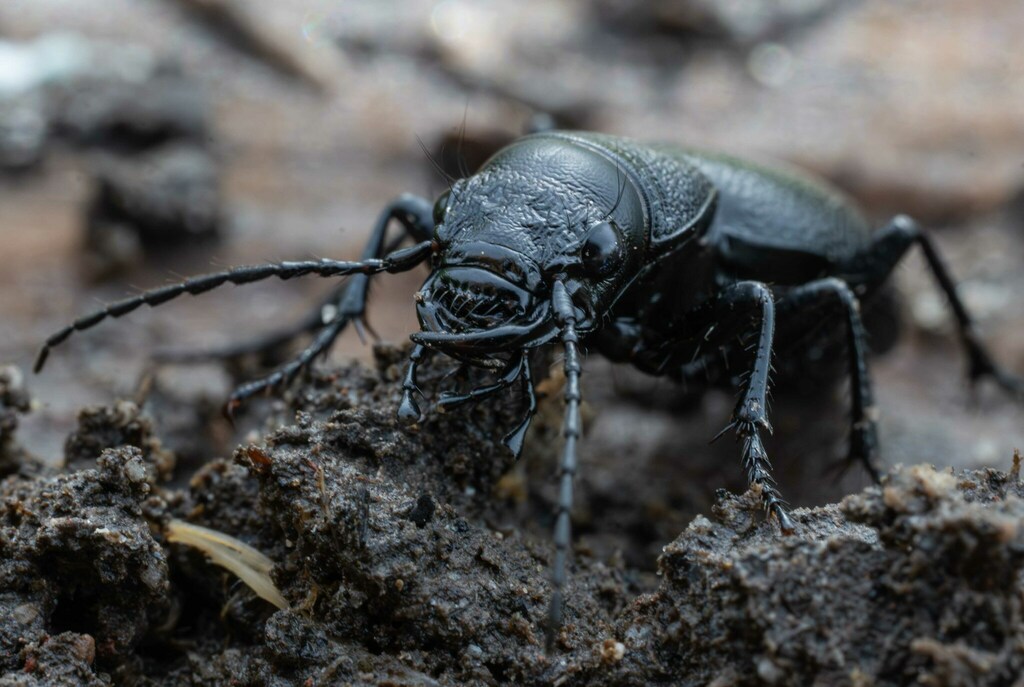
(c) Jeremiah Degenhardt, some rights reserved (CC BY) · licence
Family: Carabidae · Class: Insecta · Order: Coleoptera
Omus californicus (California Night-stalking Tiger Beetle) is a California animal in the Carabidae family.
The California night-stalking tiger beetle is a medium-sized predatory beetle measuring 12 to 18 mm (0.47 to 0.71 inches) in length (BugGuide). As a member of the subfamily Cicindelinae, it belongs to the tribe Amblycheilini, commonly known as blunt-lipped tiger beetles. The species exhibits the typical robust build of night-stalking tiger beetles, with powerful mandibles adapted for capturing prey and well-developed legs for rapid movement across various substrates. Omus californicus occurs throughout California and extends into extreme southwestern Oregon (BugGuide). The species shows considerable taxonomic complexity, with over 80 names having been synonymized under O. californicus, and several subspecies are currently recognized (BugGuide). This wide distribution spans diverse ecological zones from coastal regions to interior valleys and mountainous areas throughout the state. The California night-stalking tiger beetle inhabits a variety of terrestrial environments typical of the genus Omus. Unlike many diurnal tiger beetle species that prefer open sandy or clay soils, night-stalking tiger beetles are adapted to more complex microhabitats including forest floors, woodland edges, and areas with mixed vegetation cover. They show preferences for locations that provide adequate shelter during daylight hours while offering suitable hunting grounds during their nocturnal activity periods. True to their common name, these beetles are primarily nocturnal predators, becoming active after sunset to hunt for small invertebrate prey. Their hunting strategy involves rapid pursuit of prey items across the substrate, using their acute sensory capabilities to detect movement in low-light conditions. The powerful mandibles allow them to capture and subdue various arthropods including other beetles, flies, and small soft-bodied invertebrates. Adults are typically ground-dwelling but may climb onto low vegetation during foraging activities. Reproductive behavior involves mating during the active season, with females depositing eggs in suitable soil substrates where larvae develop as subterranean predators. Currently, Omus californicus does not appear on federal or state endangered species lists. However, like many specialized predatory insects, populations may face pressure from habitat modification, urban development, and changes in prey availability. The species' broad distribution across California suggests relatively stable overall populations, though local populations could be vulnerable to site-specific disturbances. The complex taxonomy, with numerous historical synonyms, reflects both the morphological variability within the species and the historical challenges in tiger beetle classification. Modern taxonomic work continues to refine understanding of relationships within this group. The California night-stalking tiger beetle represents an ecologically significant predator in California's terrestrial ecosystems, contributing to arthropod community regulation through its nocturnal hunting activities. Its presence across diverse habitats throughout the state demonstrates the adaptability that has allowed this species to maintain stable populations across its range.
Classification
Class: Insecta · Order: Coleoptera · Family: Carabidae
Frequently asked questions
How is Omus californicus classified?
Omus californicus belongs to class Insecta, order Coleoptera, family Carabidae.
What family does Omus californicus belong to?
Omus californicus is in the Carabidae family.
What is Omus californicus?
The California night-stalking tiger beetle is a medium-sized predatory beetle measuring 12 to 18 mm (0.47 to 0.71 inches) in length (BugGuide).
Is Omus californicus found in California?
Yes. Omus californicus is recorded in California in The California Species Project's catalogue.
Related species
Other California species in the same genus, family, or bioregion.
Data from The California Species Project — 14,000+ California species with verified data from CNPS, CDFW, USFWS, and more.