Opatroides punctulatus
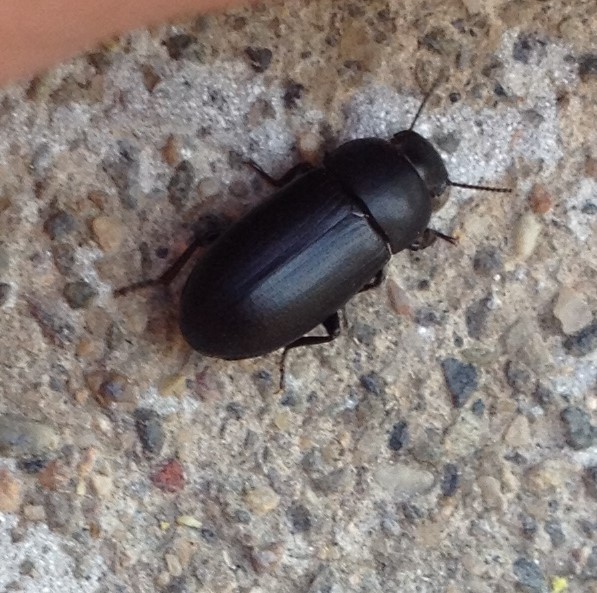
(c) Justin Johnsen, some rights reserved (CC BY) · licence
Family: Tenebrionidae · Class: Insecta · Order: Coleoptera
Opatroides punctulatus is a California animal in the Tenebrionidae family.
Opatroides punctulatus is a small darkling beetle in the family Tenebrionidae that was first established in California in 2003. This non-native species, originally from Europe and Asia, represents a relatively recent addition to California's beetle fauna (Aalbu et al. 2009). Adult beetles are typically dark-colored with a punctate (finely dotted) surface texture, as indicated by the species name punctulatus. Like other members of the Tenebrionidae family, these beetles have a hardened exoskeleton and are adapted to dry conditions. Specific morphological measurements for this species have not been well documented in North American populations. The species was first detected in California in 2003 and has since become established in the state (Aalbu et al. 2009). The initial discovery and subsequent establishment suggest the beetle has found suitable habitat conditions in California's Mediterranean climate. As a non-native species originally from the Old World, its current distribution within California requires further documentation to understand the extent of its establishment. As a member of the darkling beetle family, O. punctulatus likely inhabits dry, terrestrial environments typical of tenebrionids. Many species in this family are associated with decomposing organic matter, stored products, or arid soil environments. The specific habitat preferences of this species in California have not been thoroughly studied, though its successful establishment suggests adaptation to local conditions. Like other darkling beetles, O. punctulatus is likely detritivorous, feeding on decaying organic matter, fungi, or plant materials. Tenebrionids are generally nocturnal and seek shelter during daylight hours under debris, bark, or in soil crevices. The species' reproductive biology and seasonal activity patterns in California remain undocumented. Many tenebrionids undergo complete metamorphosis with larvae developing in soil or decaying organic substrates. Currently, O. punctulatus has no formal conservation status in California or federally, as it is a non-native species that appears to be establishing successfully. As with many recently introduced insects, the ecological impacts of this species on native ecosystems are not well understood. The beetle's presence in California represents part of the ongoing process of species introductions that characterize modern ecosystems. Monitoring of non-native species like O. punctulatus is important for understanding changes in California's arthropod communities and potential interactions with native species. Detailed ecological studies of this species in California are lacking. The information presented here synthesizes available records from taxonomic literature and establishment reports. Scientific documentation would benefit from additional research on this species' distribution, habitat use, and ecological role in California ecosystems.
Classification
Class: Insecta · Order: Coleoptera · Family: Tenebrionidae
Frequently asked questions
How is Opatroides punctulatus classified?
Opatroides punctulatus belongs to class Insecta, order Coleoptera, family Tenebrionidae.
What family does Opatroides punctulatus belong to?
Opatroides punctulatus is in the Tenebrionidae family.
What is Opatroides punctulatus?
Opatroides punctulatus is a small darkling beetle in the family Tenebrionidae that was first established in California in 2003.
Is Opatroides punctulatus found in California?
Yes. Opatroides punctulatus is recorded in California in The California Species Project's catalogue.
Related species
Other California species in the same genus, family, or bioregion.
Data from The California Species Project — 14,000+ California species with verified data from CNPS, CDFW, USFWS, and more.