Ophiodon elongatus
Lingcod
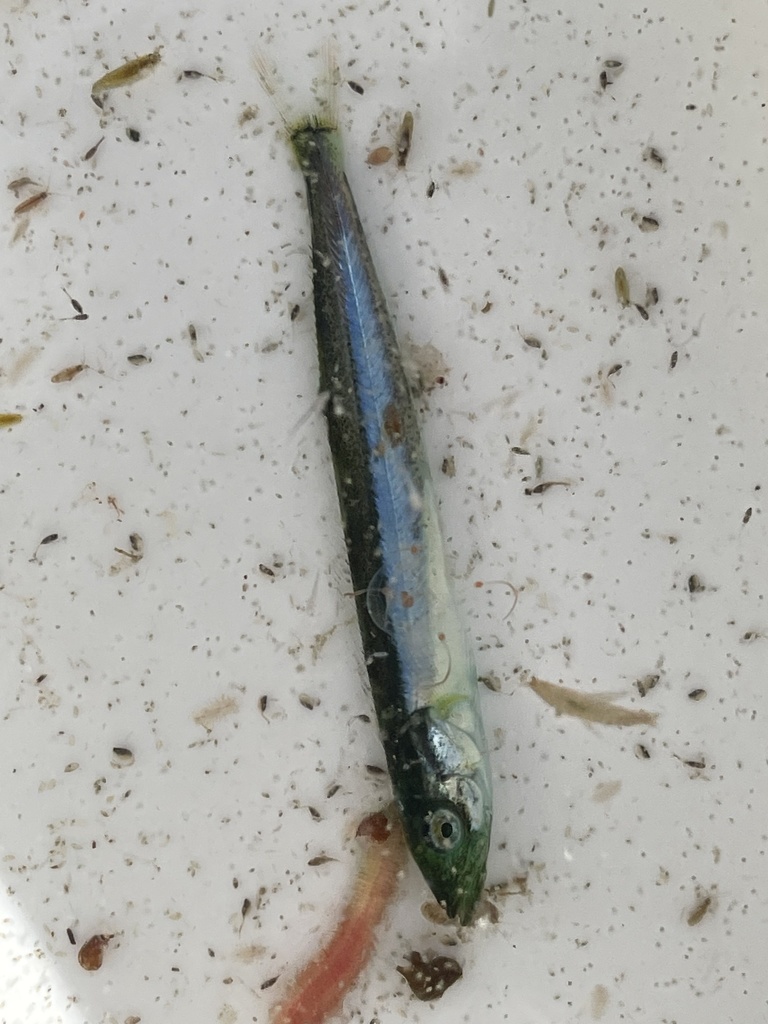
no rights reserved · CC0
Family: Hexagrammidae · Class: Actinopterygii · Order: Scorpaeniformes
Ophiodon elongatus (Lingcod) is a California animal in the Hexagrammidae family.
The lingcod (Ophiodon elongatus) is a large predatory fish belonging to the greenling family (Hexagrammidae). Adults typically measure 60 to 152 centimeters (24 to 60 inches) in total length, with females growing significantly larger than males. The maximum recorded weight is approximately 37 kilograms (82 pounds). Lingcod display variable coloration ranging from gray to brown, green, or blue, often with darker mottled patterns that provide camouflage against rocky substrates. The species is characterized by a large mouth with prominent canine teeth, a single long dorsal fin, and a robust, elongated body with no swim bladder. Lingcod occur along the Pacific coast from southeastern Alaska to Baja California, Mexico. In California, they are distributed from the Oregon border south to Point Conception, with scattered populations extending into southern California waters. The species is particularly abundant in central and northern California, including areas around Monterey Bay, Point Sur, Point Lobos, and the Mendocino coast. Population studies indicate the species exhibits complex population dynamics, with recruitment success varying significantly based on spawning stock biomass levels. This species inhabits nearshore rocky reefs, kelp forests, and areas with complex bottom topography from the intertidal zone to depths of approximately 427 meters (1,400 feet). Lingcod prefer rocky substrates with caves, crevices, and overhangs that provide ambush sites for hunting. Juvenile lingcod often utilize shallow rocky areas and eelgrass beds, while adults typically occupy deeper reefs. The species is commonly found in Marine Protected Areas along the California coast, including Point Sur State Marine Reserve, Point Cabrillo State Marine Reserve, Point Lobos State Marine Reserve, Harris Point State Marine Reserve, and Portuguese Ledge State Marine Conservation Area, where they serve as indicators of healthy rocky reef ecosystems. Lingcod are ambush predators that feed primarily on fish, including rockfish, greenlings, and flatfish, as well as cephalopods and crustaceans. The species exhibits sexual dimorphism in growth rates, with females reaching larger sizes and living longer than males. Spawning occurs from December through March in California waters, with females depositing large masses of eggs in rocky crevices or on vertical rock faces. Males guard the egg masses for 6 to 10 weeks until hatching. Lingcod can live up to 20 years, with females reaching sexual maturity at 3 to 5 years and males at 2 to 3 years. Lingcod are not federally or state listed as threatened or endangered. The species supports both commercial and recreational fisheries in California, managed under regulations that include size limits, bag limits, and seasonal closures. Current management measures aim to maintain sustainable harvest levels while protecting spawning aggregations. Marine Protected Areas along the California coast provide important reference areas for monitoring lingcod populations and serve as sources of larval recruitment to adjacent fished areas.
Classification
Class: Actinopterygii · Order: Scorpaeniformes · Family: Hexagrammidae
Frequently asked questions
How is Ophiodon elongatus classified?
Ophiodon elongatus belongs to class Actinopterygii, order Scorpaeniformes, family Hexagrammidae.
What family does Ophiodon elongatus belong to?
Ophiodon elongatus is in the Hexagrammidae family.
What is Ophiodon elongatus?
The lingcod (Ophiodon elongatus) is a large predatory fish belonging to the greenling family (Hexagrammidae).
Is Ophiodon elongatus found in California?
Yes. Ophiodon elongatus is recorded in California in The California Species Project's catalogue.
Related species
Other California species in the same genus, family, or bioregion.
Data from The California Species Project — 14,000+ California species with verified data from CNPS, CDFW, USFWS, and more.