Ophiogomphus bison
Bison Snaketail
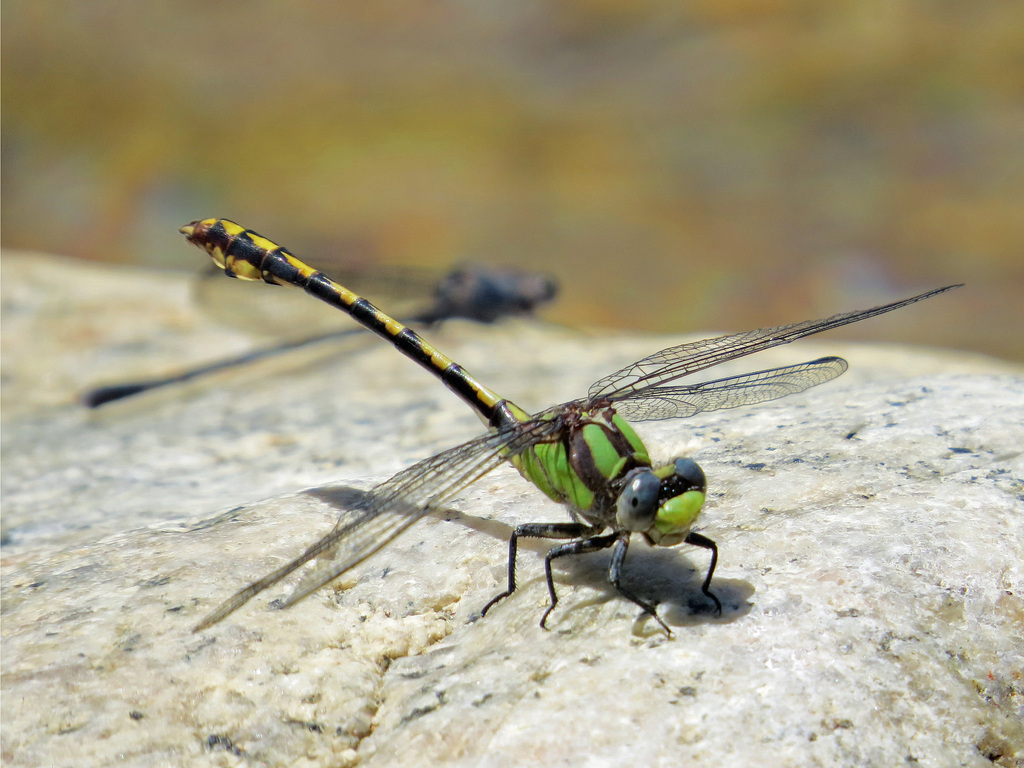
(c) Brian Daniels, some rights reserved (CC BY) · licence
Family: Gomphidae · Class: Insecta · Order: Odonata
Ophiogomphus bison (Bison Snaketail) is a California animal in the Gomphidae family.
The Bison Snaketail is a medium-sized dragonfly in the family Gomphidae, characterized by the distinctive clubtail morphology typical of its family. Adult dragonflies in the genus Ophiogomphus typically measure 50-70 mm (2.0-2.8 inches) in body length with wingspans reaching 80-100 mm (3.1-3.9 inches). The species exhibits the characteristic black and yellow striped pattern common to snaketails, with males displaying a prominent terminal abdominal swelling that gives the group its common name. The thorax shows distinctive pale stripes against a dark background, and the eyes are widely separated, distinguishing gomphids from other dragonfly families. The Bison Snaketail occurs in eastern North America, though its specific distribution within this range requires further documentation. The species belongs to a genus containing 17 species, with three species receiving federal attention from the U.S. Fish and Wildlife Service. Related species in the genus show varying conservation concerns, with the Appalachian Snaketail (Ophiogomphus incurvatus) listed as threatened and other species like the Southern Snaketail (Ophiogomphus australis) under review for potential federal listing. Like other gomphid dragonflies, the Bison Snaketail likely inhabits flowing water systems including streams, rivers, and possibly spring-fed areas. Gomphid larvae are typically found in sandy or silty substrates where they burrow and ambush prey. Adult snaketails often perch on rocks, logs, or bare ground near water sources, distinguishing them from many other dragonfly groups that prefer vegetation for perching sites. Snaketail larvae are predaceous, feeding on aquatic invertebrates and small fish in the substrate. Development typically requires 2-3 years in temperate regions, with larvae passing through multiple instars before emergence. Adults are aerial predators, capturing flying insects including mosquitoes, midges, and other small flying arthropods. Mating occurs through the typical odonate process of wheel formation, with females subsequently depositing eggs by dipping their abdomen into flowing water or inserting eggs into suitable substrate. The conservation status of Ophiogomphus bison has not been formally assessed at state or federal levels as of December 2025. However, many dragonfly species face threats from habitat degradation, water pollution, and hydrological modifications to stream systems. Climate change poses additional challenges through altered precipitation patterns and increased water temperatures that can disrupt the lengthy aquatic larval development. The species does not appear on current USFWS listing workplans, suggesting it may not be considered at immediate risk, though comprehensive population assessments for many North American gomphids remain limited. Detailed ecological studies of this species are lacking. The above information synthesizes available taxonomic data from USFWS databases and general gomphid biology. Scientific documentation for specific habitat requirements, population trends, and conservation needs remains limited for this species.
Classification
Class: Insecta · Order: Odonata · Family: Gomphidae
Frequently asked questions
How is Ophiogomphus bison classified?
Ophiogomphus bison belongs to class Insecta, order Odonata, family Gomphidae.
What family does Ophiogomphus bison belong to?
Ophiogomphus bison is in the Gomphidae family.
What is Ophiogomphus bison?
The Bison Snaketail is a medium-sized dragonfly in the family Gomphidae, characterized by the distinctive clubtail morphology typical of its family.
Is Ophiogomphus bison found in California?
Yes. Ophiogomphus bison is recorded in California in The California Species Project's catalogue.
Related species
Other California species in the same genus, family, or bioregion.
Data from The California Species Project — 14,000+ California species with verified data from CNPS, CDFW, USFWS, and more.