Opogona omoscopa
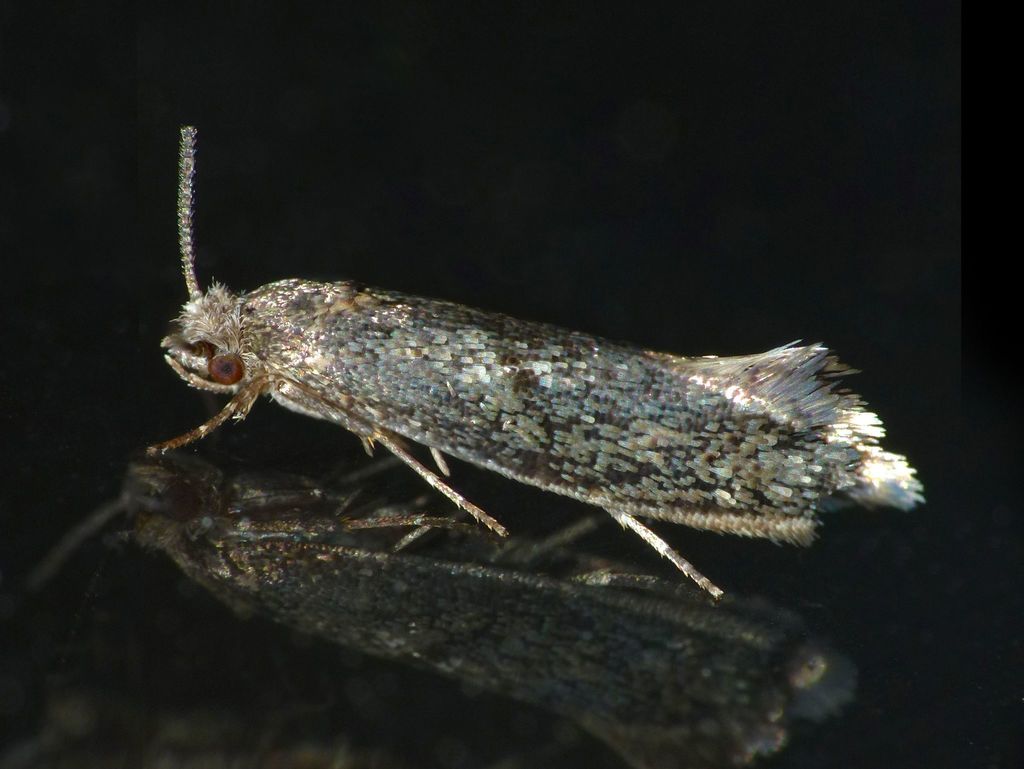
(c) Steve Kerr, some rights reserved (CC BY) · licence
Family: Tineidae · Class: Insecta · Order: Lepidoptera
Opogona omoscopa is a California animal in the Tineidae family.
Opogona omoscopa is a moth species in the family Tineidae, though detailed morphological descriptions are limited in the scientific literature. As a member of the Tineidae family, this species likely exhibits the typical characteristics of tineid moths, including relatively small size, narrow forewings, and elongated antennae. Adult moths in this family generally have wingspans ranging from 8 to 20 millimeters, though specific measurements for O. omoscopa have not been documented in accessible sources. The current geographic distribution of Opogona omoscopa remains poorly documented. No specific range information is available in major lepidopteran databases or taxonomic references. The species' native range and any potential introduction to North America or California specifically cannot be confirmed from available sources. This lack of distributional data suggests either limited taxonomic study or possible confusion with related species in the genus Opogona. Habitat preferences for Opogona omoscopa are not well-established in the literature. Other species within the genus Opogona are typically associated with stored products, dried organic matter, or decaying plant material. Some tineid moths in related genera inhabit fungal substrates, dead wood, or accumulated organic debris. Without species-specific ecological data, the microhabitat requirements and preferred vegetation associations for O. omoscopa remain unknown. Behavioral and ecological characteristics of Opogona omoscopa have not been documented in detail. Tineid moths generally exhibit crepuscular or nocturnal activity patterns, with adults attracted to artificial lights. Larvae typically develop in concealed locations, feeding on organic detritus, fungi, or stored materials. The genus Opogona includes species with varied larval feeding habits, ranging from fungivorous to detritivorous behavior. Reproductive biology, including mating systems, oviposition preferences, and development time, has not been reported for this species. The conservation status of Opogona omoscopa cannot be assessed due to insufficient data on population trends, distribution, and ecological requirements. The species does not appear on federal or state endangered species lists, nor is it included in IUCN Red List assessments. This absence from conservation databases may reflect either stable populations, limited taxonomic recognition, or inadequate survey effort. Without baseline population data or threat assessments, determining conservation priorities for this species is not feasible. The lack of readily available ecological and distributional information highlights the need for systematic surveys and taxonomic clarification within the genus Opogona. Further research would be necessary to establish the species' conservation needs and determine whether it occurs within California or poses any ecological concerns as a potential invasive species.
Classification
Class: Insecta · Order: Lepidoptera · Family: Tineidae
Frequently asked questions
How is Opogona omoscopa classified?
Opogona omoscopa belongs to class Insecta, order Lepidoptera, family Tineidae.
What family does Opogona omoscopa belong to?
Opogona omoscopa is in the Tineidae family.
What is Opogona omoscopa?
Opogona omoscopa is a moth species in the family Tineidae, though detailed morphological descriptions are limited in the scientific literature.
Is Opogona omoscopa found in California?
Yes. Opogona omoscopa is recorded in California in The California Species Project's catalogue.
Related species
Other California species in the same genus, family, or bioregion.
Data from The California Species Project — 14,000+ California species with verified data from CNPS, CDFW, USFWS, and more.