Oreochromis mossambicus
Mozambique tilapia
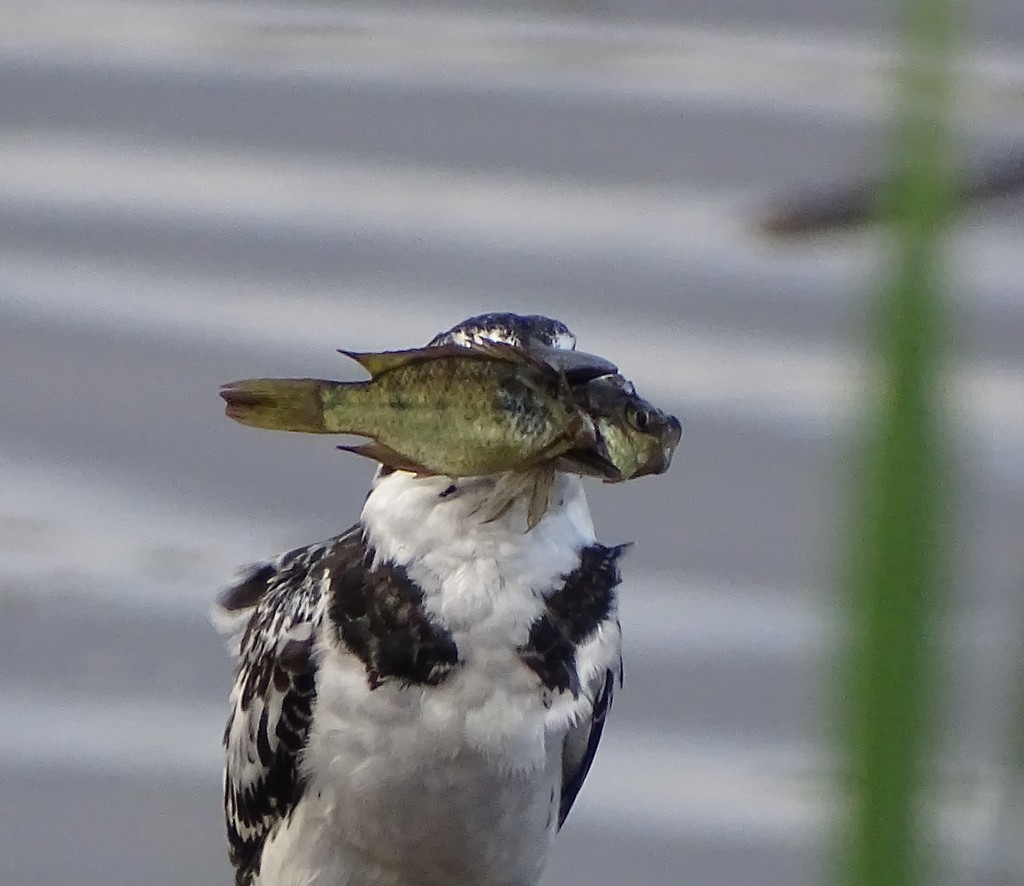
(c) Shaun Swanepoel, some rights reserved (CC BY) · licence
Family: Cichlidae · Class: Teleostei · Order: Perciformes
Oreochromis mossambicus (Mozambique tilapia) is a California animal in the Cichlidae family.
The Mozambique tilapia is a medium-sized freshwater cichlid native to southeastern Africa that has become widely established in California waters. Adults typically reach 20 to 35 cm (8 to 14 inches) in total length and can weigh up to 1.1 kg (2.4 pounds). The body is laterally compressed and oval-shaped, with a continuous dorsal fin containing 15 to 17 spines followed by 10 to 12 soft rays. Coloration varies with age and breeding condition, ranging from olive-green to dark gray dorsally with lighter sides. Breeding males develop distinct black coloration on the throat and lower jaw, while females and juveniles display vertical bars along the flanks. The species is distinguished from other tilapia by its relatively large scales and the presence of 3 to 4 anal spines. Originally distributed throughout coastal rivers and lakes of Mozambique, South Africa, and Swaziland, Mozambique tilapia was first introduced to California in 1971 for aquaculture purposes. The species has since established self-sustaining populations in numerous water bodies throughout the state, including the Salton Sea, Colorado River system, irrigation canals in the Imperial and Coachella valleys, and various reservoirs and ponds in Southern California. Populations have been documented in Los Angeles, Orange, Riverside, Imperial, and San Bernardino counties. Mozambique tilapia inhabits warm, shallow freshwater and brackish environments, tolerating temperatures from 8 to 42°C (46 to 108°F) and salinities up to 29 parts per thousand. The species thrives in slow-moving or static waters including lakes, ponds, irrigation channels, and river backwaters. It demonstrates exceptional tolerance to low dissolved oxygen levels and can survive in highly degraded aquatic habitats. Optimal water temperatures for growth range from 25 to 30°C (77 to 86°F). This species exhibits opportunistic feeding behavior, consuming algae, aquatic plants, detritus, small invertebrates, and occasionally fish eggs and fry. Mozambique tilapia are maternal mouthbrooders, with females incubating eggs and protecting fry in their mouths for 10 to 14 days after spawning. Breeding occurs year-round in suitable conditions, with peak activity during warmer months. Females can spawn every 4 to 6 weeks, producing 100 to 2,000 eggs depending on body size. Males establish and defend territories during breeding season, creating circular nests in sandy or muddy substrates. As a non-native species, Mozambique tilapia is not protected under federal or California endangered species legislation. The species is considered an invasive fish that can negatively impact native aquatic communities through competition for resources, habitat modification, and potential disease transmission. California Department of Fish and Wildlife regulates the species under invasive species management protocols, and its transport and introduction to new waters is prohibited without permits. Control efforts focus on preventing further spread rather than eradication from established populations.
Classification
Class: Teleostei · Order: Perciformes · Family: Cichlidae
Frequently asked questions
How is Oreochromis mossambicus classified?
Oreochromis mossambicus belongs to class Teleostei, order Perciformes, family Cichlidae.
What family does Oreochromis mossambicus belong to?
Oreochromis mossambicus is in the Cichlidae family.
What is Oreochromis mossambicus?
The Mozambique tilapia is a medium-sized freshwater cichlid native to southeastern Africa that has become widely established in California waters.
Is Oreochromis mossambicus found in California?
Yes. Oreochromis mossambicus is recorded in California in The California Species Project's catalogue.
Related species
Other California species in the same genus, family, or bioregion.
Data from The California Species Project — 14,000+ California species with verified data from CNPS, CDFW, USFWS, and more.