Oreochromis niloticus
Nile tilapia
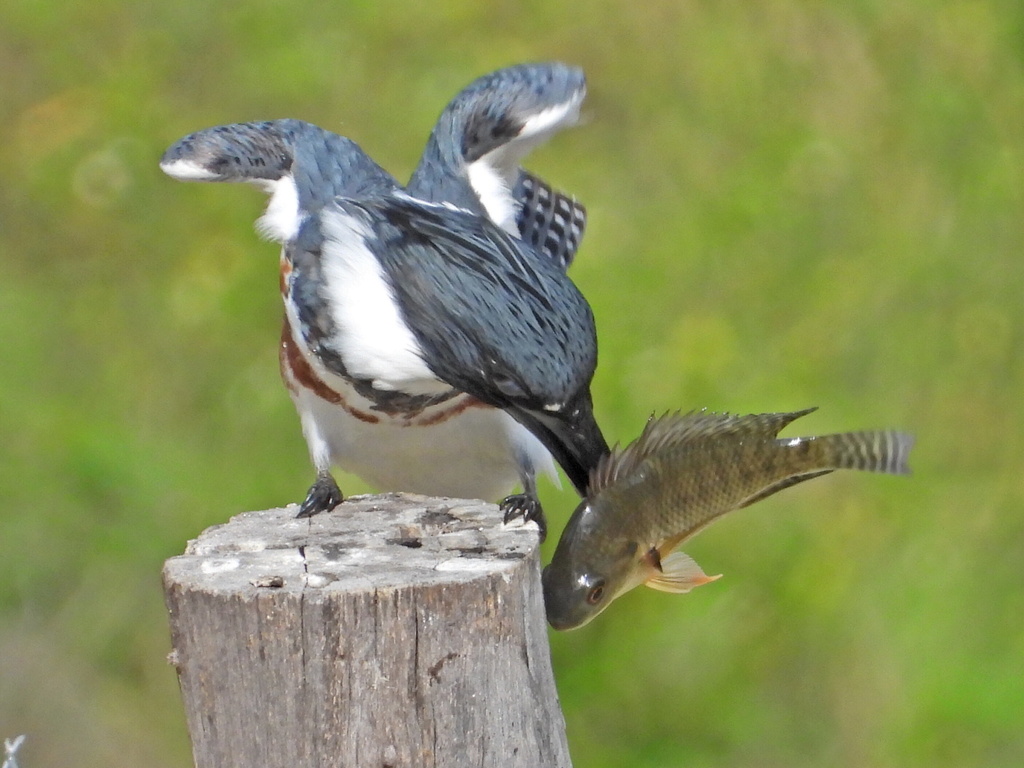
no rights reserved · CC0
Family: Cichlidae · Class: Teleostei · Order: Perciformes
Oreochromis niloticus (Nile tilapia) is a California animal in the Cichlidae family.
The Nile tilapia is a medium-sized freshwater cichlid fish native to Africa but now established as an invasive species in California waters. Adults typically measure 300 to 400 mm (12 to 16 inches) in total length and can weigh up to 2 kilograms (4.4 pounds). The body is laterally compressed and oval-shaped with a single dorsal fin extending along most of the back. Coloration varies with age and breeding condition, ranging from silver-gray to olive-brown with vertical bars that may fade in adults. Breeding males develop distinctive black throat coloration and enhanced body colors. Originally distributed throughout the Nile River system and East African lakes, Nile tilapia has been widely introduced globally through aquaculture. In California, established populations occur in the Salton Sea, Colorado River system, irrigation canals, and various warm-water reservoirs throughout the Central Valley and southern regions. The species was first detected in California waters in the 1960s through aquaculture escapes and intentional releases. Nile tilapia inhabits warm freshwater and brackish environments, tolerating temperatures from 8 to 42 degrees Celsius (46 to 108 degrees Fahrenheit) with optimal growth occurring between 28 to 32 degrees Celsius (82 to 90 degrees Fahrenheit). According to FishBase, the species demonstrates high salinity tolerance, surviving in water up to 15 parts per thousand salt concentration. Preferred habitats include shallow, vegetated areas of lakes, rivers, and canals with soft substrates. Nile tilapia can tolerate low dissolved oxygen levels and poor water quality conditions that exclude many native fish species. This highly adaptable omnivore feeds on algae, aquatic plants, small invertebrates, detritus, and plankton. Nile tilapia exhibits mouth-brooding reproductive behavior, with females incubating fertilized eggs and fry in their mouths for 10 to 14 days. Breeding can occur year-round in California's warm waters when temperatures exceed 20 degrees Celsius (68 degrees Fahrenheit). Females produce 100 to 2,000 eggs per spawn depending on size, with multiple spawning events possible annually. Sexual maturity occurs at 3 to 6 months of age. Nile tilapia is not protected under federal or state endangered species legislation, as it represents an invasive species of management concern rather than conservation priority. The species poses significant ecological threats to California's aquatic ecosystems through competition with native fish for food and habitat resources, predation on native species, and habitat modification through intense foraging activities. California Department of Fish and Wildlife considers Nile tilapia a prohibited species, making possession, transport, or release illegal without proper permits. Control efforts focus on preventing further spread and reducing populations in sensitive habitats where native species recovery is prioritized.
Classification
Class: Teleostei · Order: Perciformes · Family: Cichlidae
Frequently asked questions
How is Oreochromis niloticus classified?
Oreochromis niloticus belongs to class Teleostei, order Perciformes, family Cichlidae.
What family does Oreochromis niloticus belong to?
Oreochromis niloticus is in the Cichlidae family.
What is Oreochromis niloticus?
The Nile tilapia is a medium-sized freshwater cichlid fish native to Africa but now established as an invasive species in California waters.
Is Oreochromis niloticus found in California?
Yes. Oreochromis niloticus is recorded in California in The California Species Project's catalogue.
Related species
Other California species in the same genus, family, or bioregion.
Data from The California Species Project — 14,000+ California species with verified data from CNPS, CDFW, USFWS, and more.