Oreothlypis peregrina
Tennessee Warbler
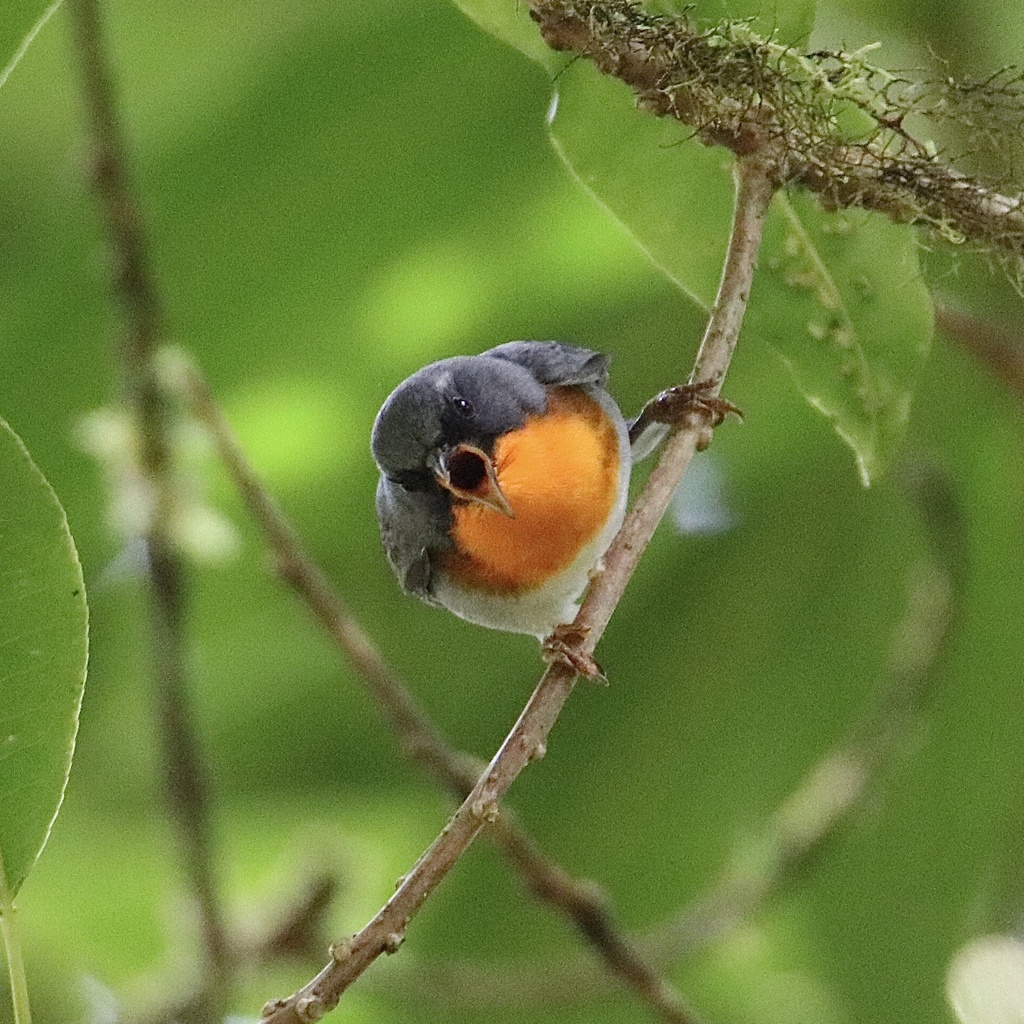
(c) Aitor, some rights reserved (CC BY) · licence
Family: Parulidae · Class: Aves · Order: Passeriformes
Oreothlypis peregrina (Tennessee Warbler) is a California animal in the Parulidae family.
The Tennessee Warbler is a small New World warbler measuring 11.5 to 12.7 cm (4.5 to 5.0 inches) in length with a wingspan of 19 to 20 cm (7.5 to 7.9 inches). Adults weigh 8 to 10 grams. During breeding season, males display olive-green upperparts with a gray head and distinct white eyebrow stripe. The underparts are white to pale yellow. Females and non-breeding males show more subdued coloration with yellowish-green upperparts and pale yellow underparts. Both sexes have thin, pointed bills adapted for gleaning insects and a white undertail with dark outer feathers. The Tennessee Warbler breeds primarily in the boreal forests of Canada and northern United States, extending from British Columbia east to Newfoundland and south through northern Minnesota, Wisconsin, and Michigan. The species winters in Central America, primarily from southern Mexico through Panama, and northern South America including Venezuela and Colombia. In California, Tennessee Warblers occur as uncommon migrants during spring and fall passage periods, typically from late April through May and August through September. Migration records exist from scattered locations throughout the state, including coastal areas, the Central Valley, and montane regions. Breeding habitat consists of mature boreal and mixed coniferous-deciduous forests, particularly areas with abundant spruce, fir, and aspen. The species shows preference for forest edges, clearings, and areas with dense understory vegetation. During migration, Tennessee Warblers utilize diverse habitats including riparian woodlands, parks, gardens, and shrublands. Wintering grounds encompass tropical forests, shade coffee plantations, and forest edges from sea level to 2,000 meters elevation. Tennessee Warblers are primarily insectivorous, feeding on caterpillars, aphids, beetles, flies, and other small arthropods. During fall migration and winter, they supplement their diet with nectar and fruit. The species employs gleaning techniques, searching for prey on leaves, bark, and flowers. Breeding occurs from May through July, with females constructing cup-shaped nests on the ground or low in shrubs. Clutch size ranges from 4 to 7 eggs, with incubation lasting 11 to 12 days. Males are highly territorial during breeding season, using persistent songs to defend territory boundaries. The Tennessee Warbler is not federally listed and maintains stable population trends across most of its range. According to the North American Breeding Bird Survey, populations have remained relatively stable since 1966, though some regional declines have been documented. The species benefits from large tracts of intact boreal forest but faces potential threats from habitat fragmentation, climate change affecting boreal ecosystems, and pesticide use on wintering grounds. Conservation efforts focus on protecting breeding habitat through sustainable forestry practices and maintaining stopover sites during migration. In California, the species' status as a migrant means conservation priorities center on preserving riparian corridors and diverse habitat types used during passage periods.
Classification
Class: Aves · Order: Passeriformes · Family: Parulidae
Frequently asked questions
How is Oreothlypis peregrina classified?
Oreothlypis peregrina belongs to class Aves, order Passeriformes, family Parulidae.
What family does Oreothlypis peregrina belong to?
Oreothlypis peregrina is in the Parulidae family.
What is Oreothlypis peregrina?
The Tennessee Warbler is a small New World warbler measuring 11.5 to 12.7 cm (4.5 to 5.0 inches) in length with a wingspan of 19 to 20 cm (7.5 to 7.9 inches).
Is Oreothlypis peregrina found in California?
Yes. Oreothlypis peregrina is recorded in California in The California Species Project's catalogue.
Related species
Other California species in the same genus, family, or bioregion.
Data from The California Species Project — 14,000+ California species with verified data from CNPS, CDFW, USFWS, and more.