Orius tristicolor
Minute Pirate Bug
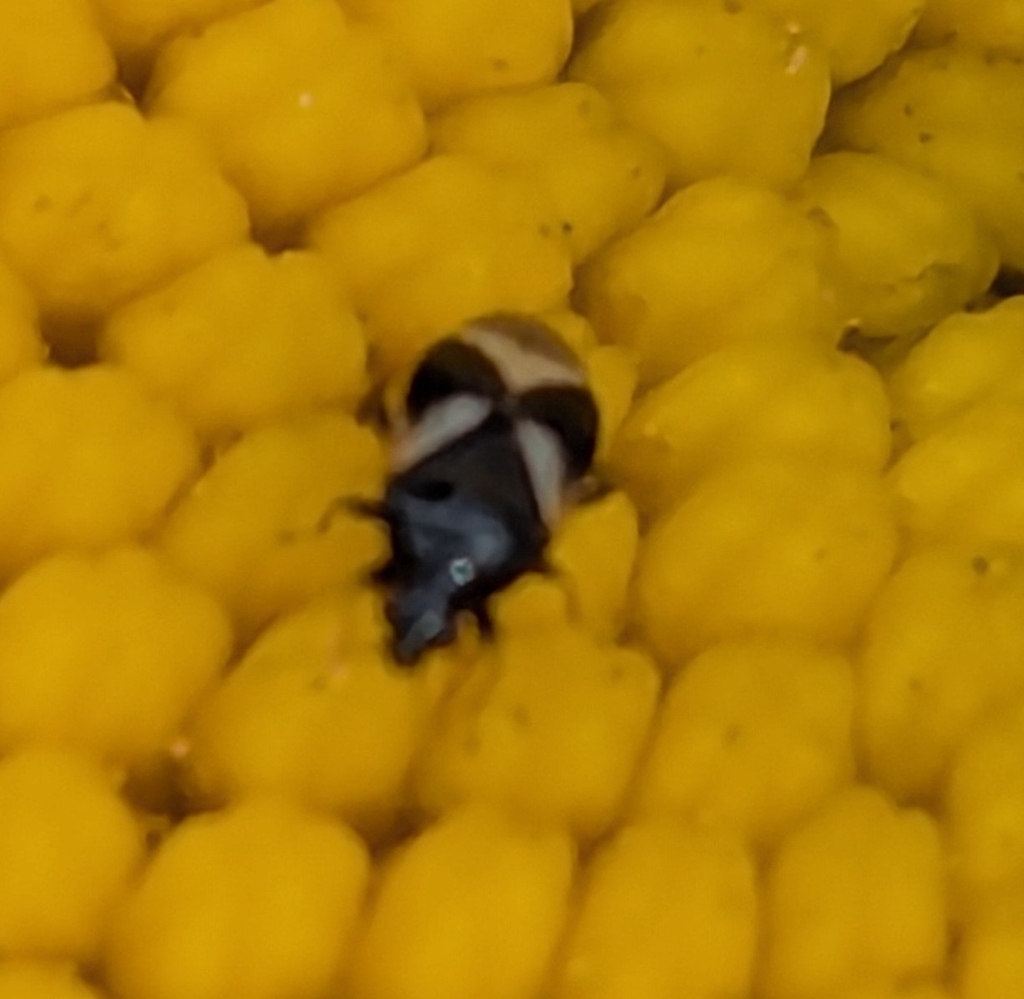
(c) David Anderson, some rights reserved (CC BY) · licence
Family: Anthocoridae · Class: Insecta · Order: Hemiptera
Orius tristicolor (Minute Pirate Bug) is a California animal in the Anthocoridae family.
The minute pirate bug (Orius tristicolor) is a small predatory insect in the family Anthocoridae, measuring approximately 2-3 mm in length. Adults have oval-shaped bodies with distinctive coloration patterns, typically displaying dark brown to black forewings with pale patches and light-colored legs. The species exhibits sexual dimorphism, with males generally smaller than females. Their piercing-sucking mouthparts are well-adapted for feeding on soft-bodied prey. Orius tristicolor is widely distributed across western North America, with populations documented from California through the Pacific Northwest and extending eastward into Utah and other western states. In California, the species occurs throughout much of the state, from coastal regions to inland valleys and foothill areas. The species has been recorded in diverse agricultural and natural landscapes across multiple counties. This species inhabits a broad range of habitats including agricultural crops, orchards, vineyards, native plant communities, and disturbed areas. Minute pirate bugs are commonly found on flowering plants where they hunt for prey among foliage and flowers. They show particular affinity for areas with diverse plant communities that support abundant populations of small arthropods. The species occurs from sea level to moderate elevations in mountainous regions. Orius tristicolor is a generalist predator that feeds on a wide variety of small arthropods including aphids, thrips, leafhoppers, spider mites, whiteflies, small caterpillars, and eggs of various pest insects (Xerces Society). Adults and nymphs are active hunters, using their rostrum to pierce prey and extract body fluids. The species undergoes incomplete metamorphosis with five nymphal stages. Reproduction typically involves multiple generations per year in favorable conditions, with overwintering adults emerging in spring to begin the seasonal cycle. Both adults and nymphs are effective predators, making them valuable biological control agents. Orius tristicolor holds no federal or state conservation listing and appears to maintain stable populations across its range. The species is considered beneficial in agricultural systems due to its role as a natural enemy of crop pests. According to Xerces Society publications, minute pirate bugs including O. tristicolor are among the most effective predators in integrated pest management programs for various crops including apples, grapes, and other agricultural systems. The species benefits from habitat conservation efforts that maintain diverse flowering plant communities and reduce pesticide applications. Research conducted in California orchards has documented higher populations of minute pirate bugs in areas with established habitat plantings compared to control areas without beneficial insect habitat (Xerces Society 2021). Conservation biological control practices that preserve and enhance habitat for this species contribute to sustainable pest management in agricultural landscapes. The species' adaptability to various habitats and broad prey range suggest it is relatively resilient to environmental changes, though like other beneficial insects, it remains vulnerable to intensive pesticide use and habitat loss.
Classification
Class: Insecta · Order: Hemiptera · Family: Anthocoridae
Frequently asked questions
How is Orius tristicolor classified?
Orius tristicolor belongs to class Insecta, order Hemiptera, family Anthocoridae.
What family does Orius tristicolor belong to?
Orius tristicolor is in the Anthocoridae family.
What is Orius tristicolor?
The minute pirate bug (Orius tristicolor) is a small predatory insect in the family Anthocoridae, measuring approximately 2-3 mm in length.
Is Orius tristicolor found in California?
Yes. Orius tristicolor is recorded in California in The California Species Project's catalogue.
More California species
This species has no close relatives in our California data — here are other species to explore.
Data from The California Species Project — 14,000+ California species with verified data from CNPS, CDFW, USFWS, and more.