Orphilus subnitidus
Dark Carpet Beetle
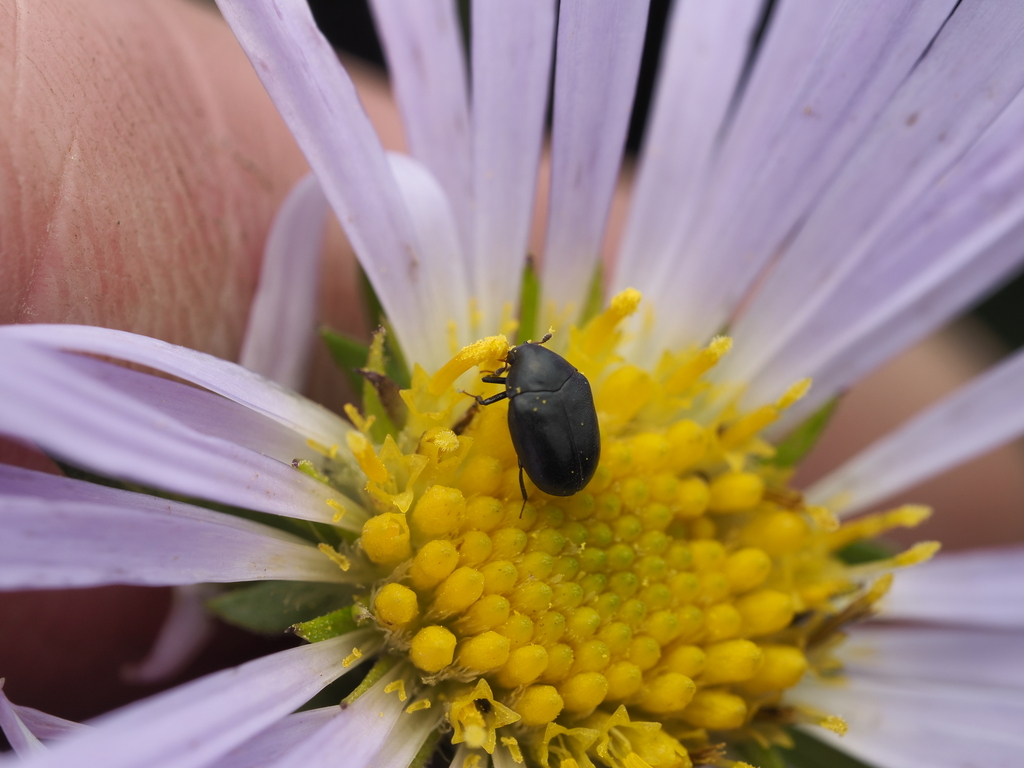
(c) Abby Hyde, some rights reserved (CC BY) · licence
Family: Dermestidae · Class: Insecta · Order: Coleoptera
Orphilus subnitidus (Dark Carpet Beetle) is a California animal in the Dermestidae family.
The dark carpet beetle is a small dermestid beetle in the family Dermestidae, subfamily Megatominae. Adults are typically dark brown to black in coloration with a compact, oval body shape characteristic of carpet beetles. The species exhibits the typical dermestid morphology with short, clubbed antennae and a slightly convex dorsal profile. Like other Orphilus species, adults measure approximately 2-4 mm in length, making them relatively small among carpet beetles. Orphilus subnitidus occurs in western North America, with documented populations in California and likely extending into adjacent states based on the distribution patterns of related dermestid species. The species' range within California appears to encompass multiple bioregions, though specific distributional data remains limited in the scientific literature. The habitat preferences of O. subnitidus are not well documented in available sources, though dermestid beetles typically inhabit diverse environments where they can access organic matter for feeding and reproduction. Many carpet beetle species are found in association with natural accumulations of animal materials, including bird nests, mammal dens, and areas with dried organic debris. Some species also occur in human-modified environments, particularly where animal-derived materials are present. Adult dark carpet beetles likely feed on pollen and nectar from flowers, following the feeding pattern common to most adult dermestids. Larvae are presumably scavengers that consume dried animal matter, including hair, feathers, skin, and other keratin-rich materials. This feeding behavior is characteristic of the Dermestidae family, where larvae serve important ecological roles as decomposers of animal-derived organic matter. The species' reproductive biology and seasonal activity patterns have not been extensively studied, though most dermestids in temperate regions show peak adult activity during spring and summer months. Orphilus subnitidus does not appear on federal or state endangered species lists and lacks formal conservation status designations. The species is not currently listed under the Endangered Species Act by the U.S. Fish and Wildlife Service, nor does it appear in California's special status species databases as of December 2025. This absence from conservation lists likely reflects either stable populations or insufficient data to assess population trends rather than any formal determination of security. Limited scientific documentation exists for this species' specific biology, distribution, and ecological requirements. Most available information comes from taxonomic treatments and general dermestid family characteristics rather than species-specific studies. The lack of detailed research on O. subnitidus reflects the broader challenge of documenting small, cryptic insect species that may play important but understudied roles in ecosystem processes. Additional field surveys and taxonomic work would help clarify the species' distribution, habitat associations, and conservation status within California's diverse beetle fauna.
Classification
Class: Insecta · Order: Coleoptera · Family: Dermestidae
Frequently asked questions
How is Orphilus subnitidus classified?
Orphilus subnitidus belongs to class Insecta, order Coleoptera, family Dermestidae.
What family does Orphilus subnitidus belong to?
Orphilus subnitidus is in the Dermestidae family.
What is Orphilus subnitidus?
The dark carpet beetle is a small dermestid beetle in the family Dermestidae, subfamily Megatominae.
Is Orphilus subnitidus found in California?
Yes. Orphilus subnitidus is recorded in California in The California Species Project's catalogue.
Related species
Other California species in the same genus, family, or bioregion.
Data from The California Species Project — 14,000+ California species with verified data from CNPS, CDFW, USFWS, and more.