Orthonama obstipata
The Gem
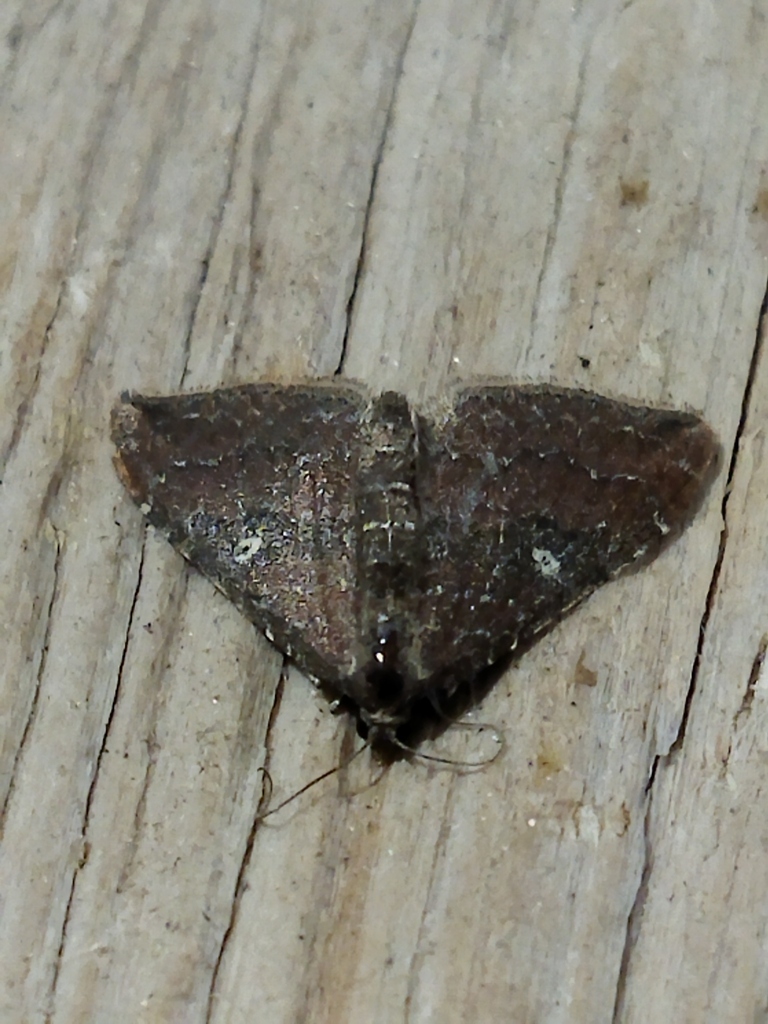
(c) SteveM4560, some rights reserved (CC BY) · licence
Family: Geometridae · Class: Insecta · Order: Lepidoptera
Orthonama obstipata (The Gem) is a California animal in the Geometridae family.
Orthonama obstipata, commonly known as The Gem, is a moth species in the family Geometridae, characterized by the distinctive looping locomotion of its larvae, commonly called inchworms or geometrids. Adult moths typically measure 20 to 30 mm in wingspan, displaying wings with intricate patterns of brown, gray, and white markings that provide effective camouflage against tree bark and lichen-covered surfaces. The forewings exhibit subtle geometric patterns with fine crosslines, while the hindwings are generally paler with less distinct markings. The species occurs in western North America, with documented populations in California extending through various mountainous and foothill regions. The Gem inhabits areas where suitable host plants are present, typically in mixed coniferous and deciduous forests, woodland edges, and chaparral communities. Elevation ranges vary depending on local climate conditions and host plant distribution, with populations documented from lower foothills to mid-elevation mountain slopes. The Gem moths prefer habitats with diverse plant communities that support their larval development. Adults are attracted to areas with flowering plants that provide nectar sources, while larvae require specific host plants for feeding and development. The species typically inhabits environments with moderate moisture levels and partial canopy cover that provides protection from extreme weather conditions. Adult moths are primarily nocturnal, emerging after sunset to mate and seek nectar sources from various flowering plants. Females deposit eggs singly or in small clusters on host plant foliage, typically selecting young growth or tender leaves. Larvae exhibit the characteristic looping movement of geometrid caterpillars, feeding on leaves during their development through multiple instars. The species likely produces one or two generations per year, depending on local climate conditions and elevation. Pupation occurs in soil or leaf litter, with adults emerging during appropriate seasonal conditions. Like many native moth species in California, The Gem faces various conservation challenges related to habitat modification, urbanization, and climate change effects on host plant communities. While the species lacks formal federal or state conservation status designations, populations may be vulnerable to habitat fragmentation and loss of native plant communities. Fire suppression practices and altered fire regimes can affect the woodland and chaparral habitats where the species occurs. Invasive plant species may compete with or displace native host plants, potentially impacting larval survival and development. Climate change presents additional challenges through altered precipitation patterns, temperature extremes, and shifts in suitable habitat zones that may affect both the moth and its host plants. Conservation efforts for The Gem benefit from broader habitat protection initiatives focused on maintaining native plant communities and natural fire cycles in California's woodland and forest ecosystems. Research on the species' specific host plant requirements, population dynamics, and response to environmental changes would enhance understanding of its conservation needs and inform management strategies for protecting native moth diversity in the region.
Classification
Class: Insecta · Order: Lepidoptera · Family: Geometridae
Frequently asked questions
How is Orthonama obstipata classified?
Orthonama obstipata belongs to class Insecta, order Lepidoptera, family Geometridae.
What family does Orthonama obstipata belong to?
Orthonama obstipata is in the Geometridae family.
What is Orthonama obstipata?
Orthonama obstipata, commonly known as The Gem, is a moth species in the family Geometridae, characterized by the distinctive looping locomotion of its larvae, commonly called inchworms or geometrids.
Is Orthonama obstipata found in California?
Yes. Orthonama obstipata is recorded in California in The California Species Project's catalogue.
Related species
Other California species in the same genus, family, or bioregion.
Data from The California Species Project — 14,000+ California species with verified data from CNPS, CDFW, USFWS, and more.