Orthosia erythrolita
Pink-barred Quaker
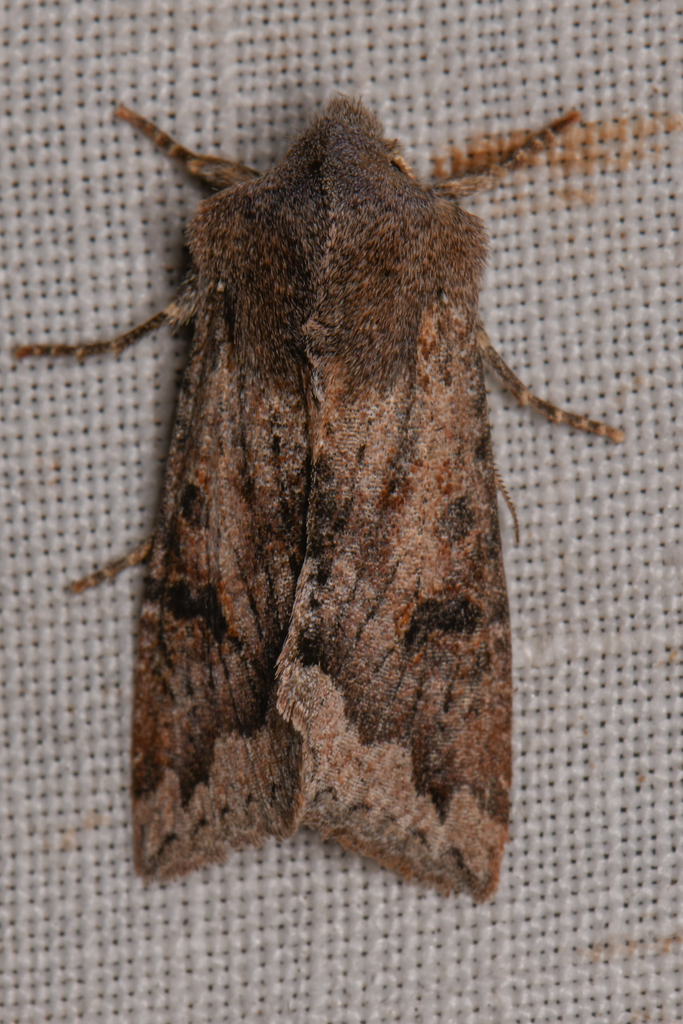
(c) Trevor Van Loon, some rights reserved (CC BY) · licence
Family: Noctuidae · Class: Insecta · Order: Lepidoptera
Orthosia erythrolita (Pink-barred Quaker) is a California animal in the Noctuidae family.
The Pink-barred Quaker (Orthosia erythrolita) is a moth in the family Noctuidae, part of the diverse group of owlet moths. This species exhibits the typical nocturnal characteristics of its family, with forewings displaying subtle earth-toned coloration patterns that provide effective camouflage during daytime resting periods. The forewings feature distinctive pink-tinged markings that give the species its common name, though these markings can vary in intensity among individuals. Orthosia erythrolita occurs across a broad range of North America, with documented populations extending from Canada southward through much of the continental United States. The species has been recorded in numerous states, indicating a relatively wide distribution pattern typical of many Orthosia species. In California, the moth has been documented through various lepidopteran surveys and citizen science observations (Butterflies and Moths of North America). The species inhabits diverse forested and woodland environments, showing particular association with deciduous and mixed forest systems. Adult moths are typically active during early spring months, emerging when temperatures begin to warm but before full leaf-out occurs in deciduous trees. This timing aligns with the availability of early-season nectar sources and optimal conditions for mating and egg-laying activities. Adult Pink-barred Quakers are nocturnal, becoming active during evening hours to feed on tree sap, early spring flowers, and other available sugar sources. Males are attracted to artificial light sources, a behavior that has facilitated much of the documentation of this species' distribution. The flight period typically occurs from March through May, varying with latitude and local climate conditions. Females deposit eggs on host plant foliage, where larvae will develop through several instars before pupating. Larval development occurs on various deciduous trees and shrubs, though specific host plant associations for this species require further documentation. The caterpillars feed on emerging foliage during spring months, completing their development before pupating in soil or leaf litter. Adults overwinter as pupae, emerging the following spring to continue the annual cycle. The conservation status of Orthosia erythrolita has not been formally assessed by federal or state wildlife agencies. The species does not appear on current endangered species lists or species of special concern designations. However, like many forest-dwelling moths, populations may face pressure from habitat modification, light pollution, and climate change effects on phenology. The species' broad distribution suggests relatively stable populations, though localized impacts from forest management practices or urban development could affect regional abundance. Detailed ecological studies of this species remain limited, and much of the available information comes from general lepidopteran surveys and moth collecting records. The species represents one component of the diverse nocturnal moth fauna that plays important ecological roles as both herbivores in their larval stage and pollinators or prey species as adults. Further research on host plant specificity, population trends, and habitat requirements would enhance understanding of this species' ecological role and conservation needs.
Classification
Class: Insecta · Order: Lepidoptera · Family: Noctuidae
Frequently asked questions
How is Orthosia erythrolita classified?
Orthosia erythrolita belongs to class Insecta, order Lepidoptera, family Noctuidae.
What family does Orthosia erythrolita belong to?
Orthosia erythrolita is in the Noctuidae family.
What is Orthosia erythrolita?
The Pink-barred Quaker (Orthosia erythrolita) is a moth in the family Noctuidae, part of the diverse group of owlet moths.
Is Orthosia erythrolita found in California?
Yes. Orthosia erythrolita is recorded in California in The California Species Project's catalogue.
Related species
Other California species in the same genus, family, or bioregion.
Data from The California Species Project — 14,000+ California species with verified data from CNPS, CDFW, USFWS, and more.