Osmia producta subgracilis
Mason bees
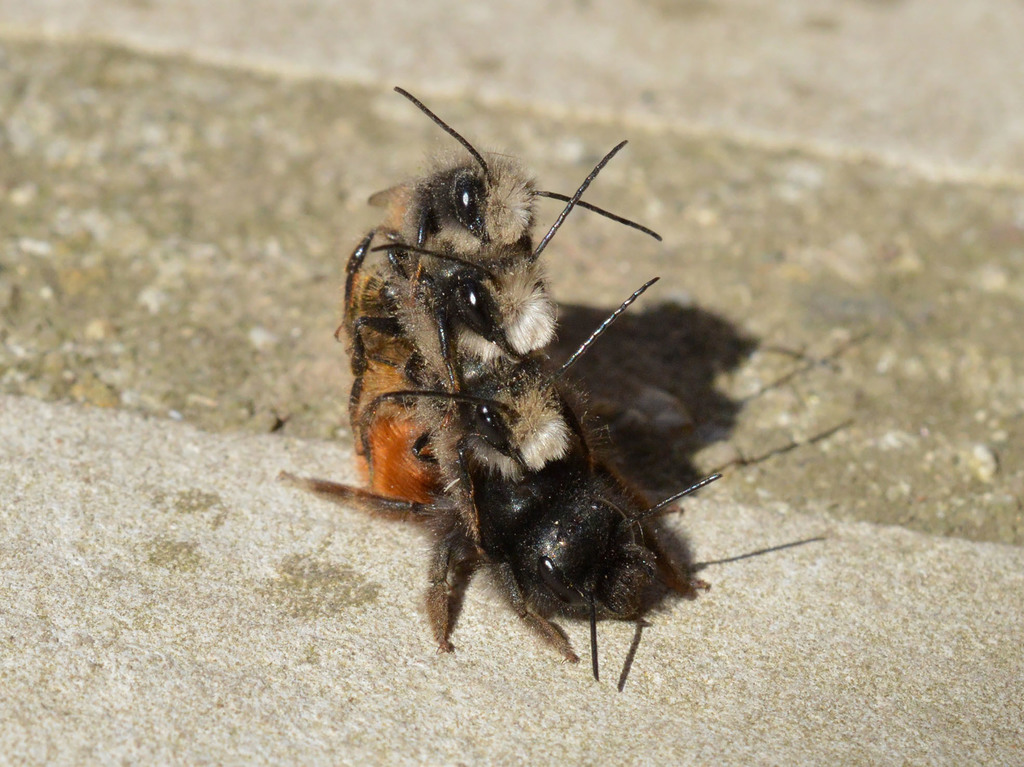
(c) Dimitǎr Boevski, some rights reserved (CC BY) · licence
Family: Megachilidae · Class: Insecta · Order: Hymenoptera
Osmia producta subgracilis (Mason bees) is a California animal in the Megachilidae family.
Osmia producta subgracilis is a mason bee subspecies in the family Megachilidae, formerly classified as Hoplitis producta subgracilis. This subspecies represents one of numerous mason bee species that construct brood cells from mud, plant materials, or other gathered substances. Like other Osmia species, individuals are typically robust, dark-colored bees with specialized abdominal scopa (pollen-carrying hairs) in females. This subspecies is endemic to the Columbia Basin region of North America. Despite its restricted endemic range, Osmia producta subgracilis has been documented across a variety of habitat types and collection sites within this geographic area, suggesting broader ecological adaptability than many other regional endemic bee species. The subspecies occupies diverse habitat types throughout the Columbia Basin, demonstrating considerable ecological flexibility. This adaptability to multiple habitat conditions within its endemic range may contribute to its apparent stability compared to more specialized endemic species. Specific microhabitat preferences and nesting substrate requirements have not been extensively documented in available literature. As a mason bee, Osmia producta subgracilis females likely construct individual brood cells using collected materials such as mud, leaf pieces, or plant resins. Like other Osmia species, this subspecies is presumably solitary, with females working independently to provision their nests with pollen and nectar for developing larvae. Males typically emerge before females and may engage in territorial behavior near nesting sites. Flight periods and specific host plant associations have not been well documented for this subspecies. The taxonomic classification of this subspecies has presented challenges for researchers. According to Tepedino and Griswold (1995), the taxonomic status of this taxon is somewhat problematic, indicating ongoing uncertainty about its precise systematic position. The recent taxonomic revision moving this taxon from the genus Hoplitis to Osmia reflects continuing refinements in mason bee classification based on morphological and molecular studies. Osmia producta subgracilis currently lacks formal conservation listing status at federal or state levels. However, its endemic distribution within the Columbia Basin makes it potentially vulnerable to habitat modifications, climate change, or other regional environmental pressures. The subspecies' apparent ability to utilize multiple habitat types within its range may provide some resilience against localized disturbances. No specific population trends, threats, or conservation management actions have been documented in available literature. Given the taxonomic uncertainties surrounding this subspecies and limited ecological documentation, further research would be valuable to clarify its conservation needs and taxonomic validity.
Classification
Class: Insecta · Order: Hymenoptera · Family: Megachilidae
Frequently asked questions
How is Osmia producta subgracilis classified?
Osmia producta subgracilis belongs to class Insecta, order Hymenoptera, family Megachilidae.
What family does Osmia producta subgracilis belong to?
Osmia producta subgracilis is in the Megachilidae family.
What is Osmia producta subgracilis?
Osmia producta subgracilis is a mason bee subspecies in the family Megachilidae, formerly classified as Hoplitis producta subgracilis.
Is Osmia producta subgracilis found in California?
Yes. Osmia producta subgracilis is recorded in California in The California Species Project's catalogue.
Related species
Other California species in the same genus, family, or bioregion.
Data from The California Species Project — 14,000+ California species with verified data from CNPS, CDFW, USFWS, and more.