Ovis canadensis nelsoni pop. 2
Peninsular Bighorn Sheep DPS
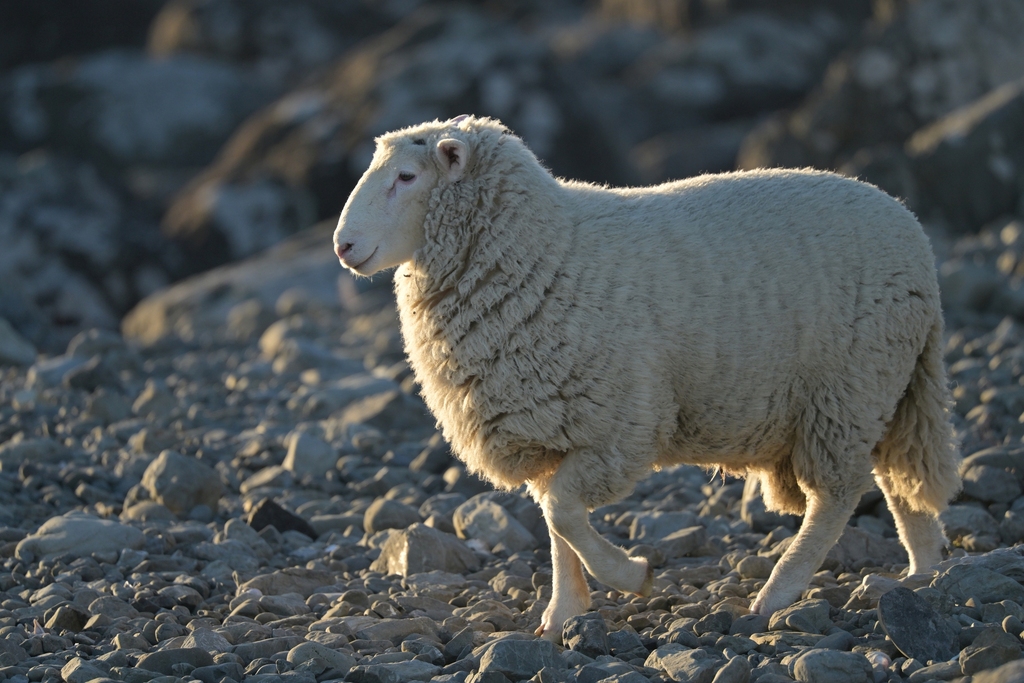
(c) Christopher Stephens, some rights reserved (CC BY-SA) · licence
Family: Bovidae · Class: Mammalia · Order: Artiodactyla
Conservation status: FP · Endangered · G4T3Q S2
Ovis canadensis nelsoni pop. 2 (Peninsular Bighorn Sheep DPS) is a California animal in the Bovidae family.
The Peninsular bighorn sheep (Ovis canadensis nelsoni) represents a distinct population segment of desert bighorn sheep subspecies endemic to the Peninsular Ranges of Southern California. Adult rams weigh 120-220 pounds (54-100 kg) and ewes weigh 100-155 pounds (45-70 kg), with both sexes developing characteristic curved horns. The species displays brown to grey pelage with distinctive white patches on the rump and muzzle, adaptations that aid in thermoregulation within desert environments. The population occurs exclusively in the Peninsular Ranges of Southern California, extending from the San Jacinto and Santa Rosa mountains south to the United States-Mexico border in Riverside, Imperial, and San Diego counties. This represents the southernmost population of bighorn sheep in California and is geographically isolated from other bighorn populations by valleys and urban development. Peninsular bighorn sheep inhabit steep, rocky terrain in desert mountain ranges, typically at elevations ranging from sea level to over 6,000 feet (1,829 meters). They prefer areas with rugged topography that provides escape terrain from predators, access to water sources, and diverse plant communities. The species utilizes both low desert scrub habitats dominated by creosote bush and higher elevation chaparral and pinyon-juniper woodlands. Water availability is critical, with sheep traveling considerable distances to reach permanent water sources during dry periods. As ruminants, Peninsular bighorn sheep are herbivorous, feeding on a variety of desert plants including shrubs, forbs, grasses, and cacti. Their diet varies seasonally based on plant availability and nutritional content. Breeding typically occurs from July through December, with most lambs born between January and June after a gestation period of approximately 180 days. Ewes usually produce single offspring, though twins occasionally occur. Social structure is segregated by sex for much of the year, with rams forming bachelor groups and ewes maintaining maternal bands with their offspring. The U.S. Fish and Wildlife Service listed the Peninsular bighorn sheep as federally endangered in 1998, while California lists the population as threatened. At the time of federal listing, the rangewide population was estimated at 335 individuals. Through intensive conservation efforts including captive breeding, wild augmentation, habitat conservation, and threat reduction, the population increased to 884 individuals by 2016 (USFWS). Primary threats include habitat loss and fragmentation from urban development, human disturbance from off-highway vehicles, hiking, and mountain biking, invasive plant species, fire suppression leading to catastrophic wildfires, and disease transmission from domestic animals. Climate change poses additional challenges through increased temperatures and altered precipitation patterns affecting water and forage availability. Recovery efforts focus on habitat protection, population monitoring, captive breeding programs, and reducing human-wildlife conflicts through education and access management.
Classification
Class: Mammalia · Order: Artiodactyla · Family: Bovidae
Conservation status
FP · Endangered · G4T3Q S2
Frequently asked questions
How is Ovis canadensis nelsoni pop. 2 classified?
Ovis canadensis nelsoni pop. 2 belongs to class Mammalia, order Artiodactyla, family Bovidae.
What family does Ovis canadensis nelsoni pop. 2 belong to?
Ovis canadensis nelsoni pop. 2 is in the Bovidae family.
Is Ovis canadensis nelsoni pop. 2 protected or of conservation concern?
Ovis canadensis nelsoni pop. 2 carries the following status: FP · Endangered · G4T3Q S2.
What is Ovis canadensis nelsoni pop. 2?
The Peninsular bighorn sheep (Ovis canadensis nelsoni) represents a distinct population segment of desert bighorn sheep subspecies endemic to the Peninsular Ranges of Southern California.
Is Ovis canadensis nelsoni pop. 2 found in California?
Yes. Ovis canadensis nelsoni pop. 2 is recorded in California in The California Species Project's catalogue.
Related species
Other California species in the same genus, family, or bioregion.
Data from The California Species Project — 14,000+ California species with verified data from CNPS, CDFW, USFWS, and more.