Pandalus gurneyi
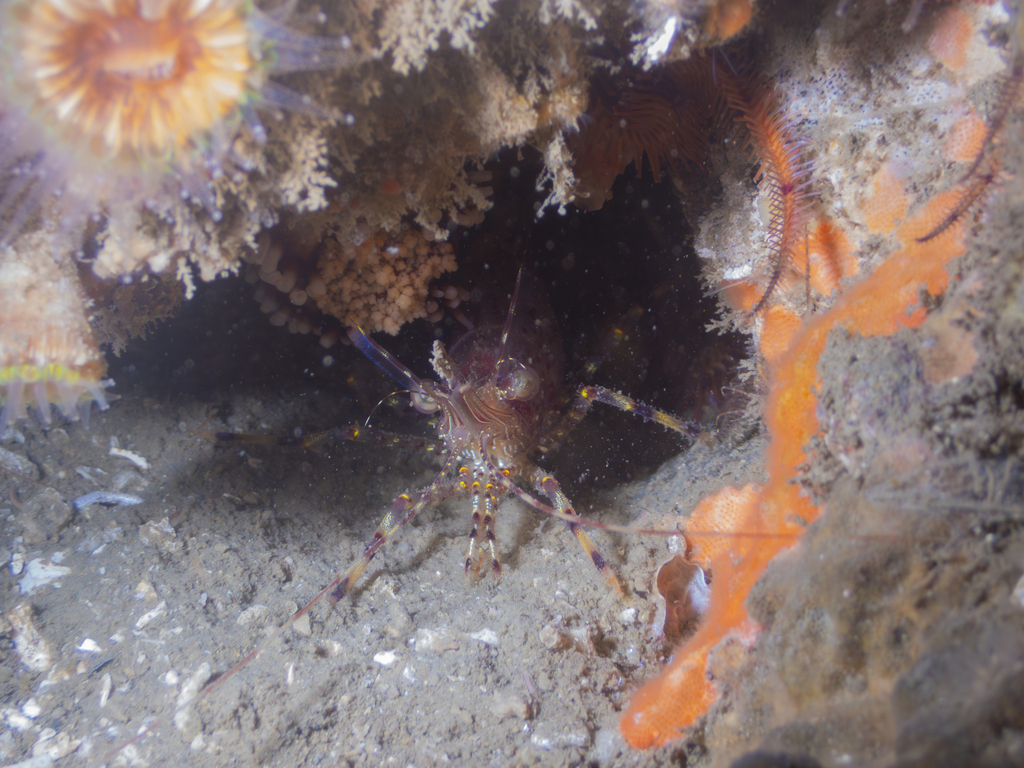
(c) Nathan, some rights reserved (CC BY) · licence
Family: Pandalidae · Class: Malacostraca · Order: Decapoda
Pandalus gurneyi is a California animal in the Pandalidae family.
Pandalus gurneyi, commonly known as the California longbeak, is a marine shrimp species belonging to the family Pandalidae within the order Decapoda. This crustacean is part of the genus Pandalus, which includes approximately 14 species according to the U.S. Fish and Wildlife Service taxonomic database. The species exhibits the typical pandalid body plan with an elongated rostrum, or beak, from which its common name derives, though specific morphological measurements and distinguishing characteristics have not been well documented in accessible scientific literature. The geographic range of P. gurneyi appears to be associated with California waters based on its common name designation, though precise distributional boundaries and depth ranges remain poorly documented in available sources. The species likely inhabits continental shelf or slope waters typical of other Pandalus species, but specific locality records and bathymetric preferences require further research to establish definitively. Habitat requirements for this species have not been thoroughly characterized in the scientific literature. Most pandalid shrimps are benthic or semi-benthic organisms that inhabit soft sediments on the continental shelf and upper slope, typically at depths ranging from shallow subtidal zones to several hundred meters. They generally prefer areas with muddy or sandy substrates where they can forage for food and seek shelter, though specific substrate preferences for P. gurneyi have not been documented. Ecological information regarding feeding behavior, reproductive biology, and life history characteristics of P. gurneyi is notably lacking in accessible scientific documentation. Pandalid shrimps are typically omnivorous, feeding on small invertebrates, detritus, and algal material. Most species in this family exhibit protandric hermaphroditism, beginning life as males and transitioning to females as they mature, though this has not been confirmed specifically for P. gurneyi. Seasonal migration patterns, spawning timing, and larval development stages remain undocumented for this species. The conservation status of P. gurneyi has not been formally assessed by state or federal agencies, and it does not appear on current threatened or endangered species lists as of December 2025. Population trends, abundance estimates, and potential threats to this species are unknown due to limited research attention. The lack of comprehensive biological studies makes it difficult to evaluate conservation needs or management priorities for this species. This knowledge gap represents a significant limitation for marine biodiversity assessment and conservation planning in California waters. Scientific documentation for this species remains extremely limited despite thorough literature searches. The information presented here is based on taxonomic databases and general knowledge of related pandalid species. We welcome contributions of verified scientific data, specimens, photographs, or field observations to enhance this species account and improve our understanding of California's marine crustacean diversity.
Classification
Class: Malacostraca · Order: Decapoda · Family: Pandalidae
Frequently asked questions
How is Pandalus gurneyi classified?
Pandalus gurneyi belongs to class Malacostraca, order Decapoda, family Pandalidae.
What family does Pandalus gurneyi belong to?
Pandalus gurneyi is in the Pandalidae family.
What is Pandalus gurneyi?
Pandalus gurneyi, commonly known as the California longbeak, is a marine shrimp species belonging to the family Pandalidae within the order Decapoda.
Is Pandalus gurneyi found in California?
Yes. Pandalus gurneyi is recorded in California in The California Species Project's catalogue.
More California species
This species has no close relatives in our California data — here are other species to explore.
Data from The California Species Project — 14,000+ California species with verified data from CNPS, CDFW, USFWS, and more.