Paonias myops
Small-eyed sphinx
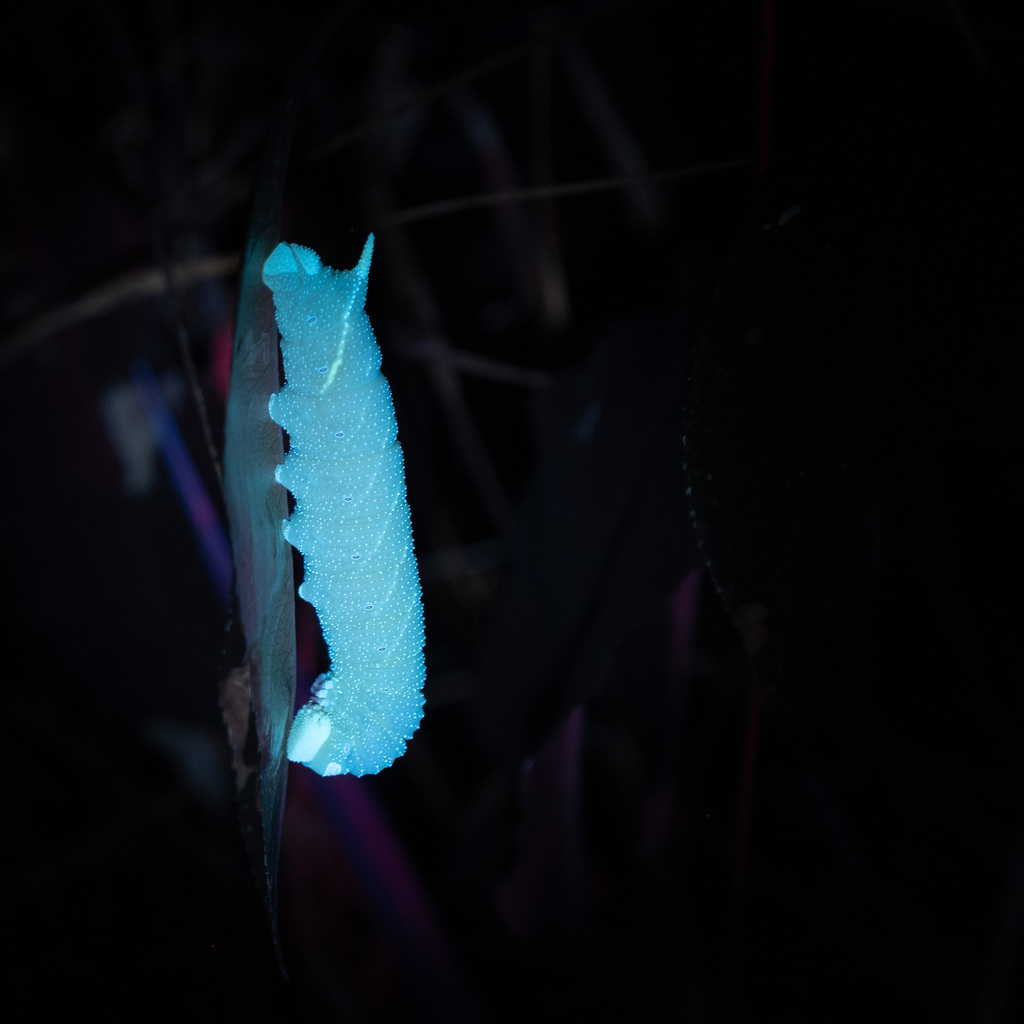
no rights reserved · CC0
Family: Sphingidae · Class: Insecta · Order: Lepidoptera
Paonias myops (Small-eyed sphinx) is a California animal in the Sphingidae family.
The small-eyed sphinx (Paonias myops) is a medium-sized moth belonging to the hawkmoth family Sphingidae. Adults typically measure 65 to 85 mm (2.6 to 3.3 inches) in wingspan. The forewings are predominantly brown with a complex pattern of darker brown and gray markings, including distinctive wavy lines and patches that provide effective camouflage against tree bark. The hindwings are rose-pink to salmon-colored with a black border, though these bright colors are concealed when the moth is at rest. The species gets its common name from the relatively small size of its compound eyes compared to other sphinx moths. The body is robust and covered in dense, brownish scales. The small-eyed sphinx has one of the most extensive ranges among North American sphinx moths, occurring from Nova Scotia and Maine south to Florida, and west to British Columbia, Washington, California, and Arizona. The species also extends south into Mexico. In California, populations are found primarily in mountainous and foothill regions where suitable host plants occur. This transcontinental distribution makes it one of the more widespread members of the genus Paonias. This species inhabits deciduous and mixed forests, woodland edges, orchards, and suburban areas where host plants are present. Adults are typically found from sea level to elevations of approximately 2,400 meters (8,000 feet) in mountainous regions. The moths show a preference for areas with cherry trees and other rosaceous plants, often being attracted to flowering trees during the adult flight period. Small-eyed sphinx moths are nocturnal and most active during twilight hours. Adults are strong fliers and feed on nectar from various flowers, showing particular attraction to deep-throated blooms such as honeysuckle, lilac, and petunias. The species produces one to two generations per year, depending on latitude and local climate conditions. In northern portions of the range, there is typically one generation with adults flying from May through July. Southern populations may have a second brood, with adults active from late July through September. Females lay eggs singly on host plant foliage. Larvae are typical sphinx moth caterpillars, reaching 75 to 90 mm (3.0 to 3.5 inches) in length when mature. The caterpillars are green with diagonal white stripes and feed on a variety of plants including western chokecherry (Prunus virginiana), black cherry (P. serotina), sour cherry (P. cerasus), serviceberry (Amelanchier), and basswood (Tilia). Mature larvae pupate in the soil, forming brown pupae that overwinter in colder regions. The small-eyed sphinx is not federally or state-listed and appears to maintain stable populations across most of its range. The species' broad host plant preferences and extensive geographic distribution contribute to its conservation security. However, like many moths, populations may face localized pressures from habitat loss, light pollution, and pesticide use in urban and agricultural areas.
Classification
Class: Insecta · Order: Lepidoptera · Family: Sphingidae
Frequently asked questions
How is Paonias myops classified?
Paonias myops belongs to class Insecta, order Lepidoptera, family Sphingidae.
What family does Paonias myops belong to?
Paonias myops is in the Sphingidae family.
What is Paonias myops?
The small-eyed sphinx (Paonias myops) is a medium-sized moth belonging to the hawkmoth family Sphingidae.
Is Paonias myops found in California?
Yes. Paonias myops is recorded in California in The California Species Project's catalogue.
Related species
Other California species in the same genus, family, or bioregion.
Data from The California Species Project — 14,000+ California species with verified data from CNPS, CDFW, USFWS, and more.