Papilio zelicaon
Anise Swallowtail
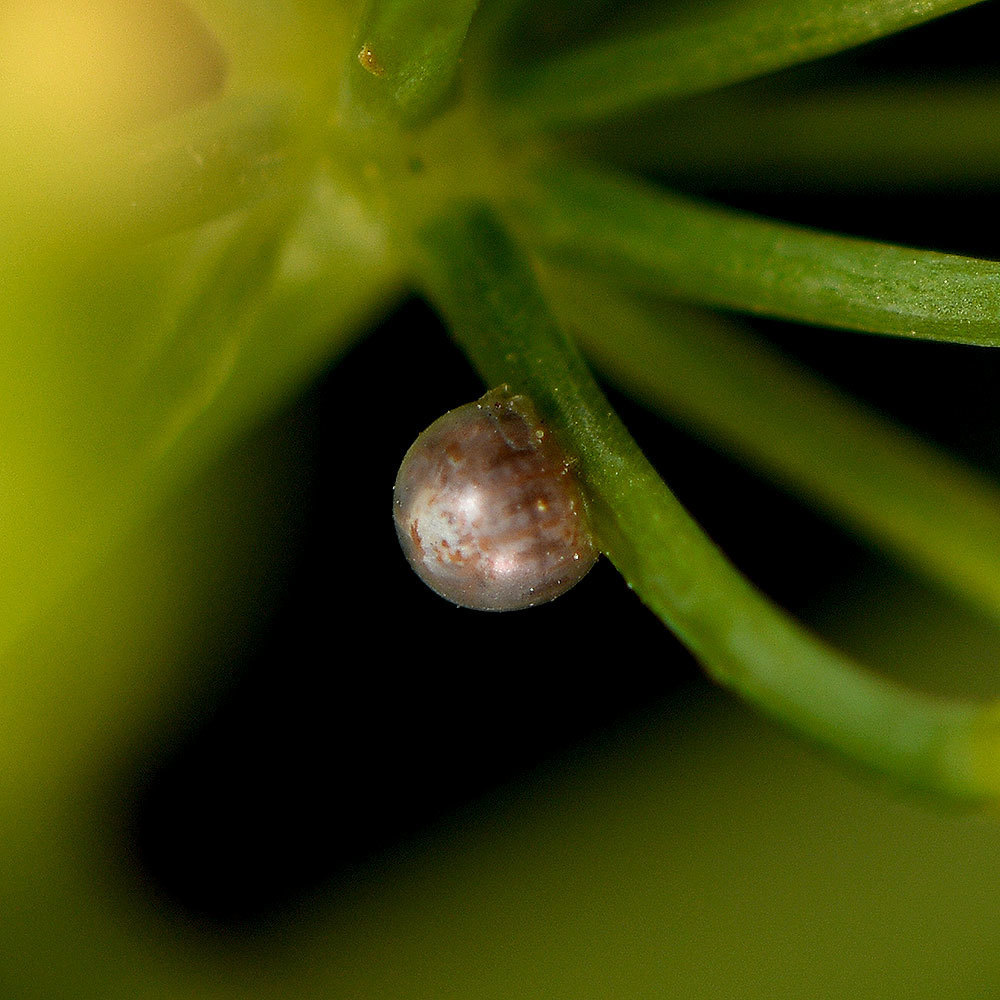
(c) Koji Shiraiwa, some rights reserved (CC BY) · licence
Family: Papilionidae · Class: Insecta · Order: Lepidoptera
Papilio zelicaon (Anise Swallowtail) is a California animal in the Papilionidae family.
The Anise Swallowtail is a large butterfly with a wingspan ranging from 75 to 100 mm (3.0 to 3.9 inches). The dorsal wing surfaces are black with yellow spots and bands. The forewings display a distinctive pattern of yellow spots arranged in rows, while the hindwings feature larger yellow patches and characteristic blue scaling near the margins. Each hindwing bears a prominent orange-red eyespot near the tail projection, which serves as a predator deterrent. The ventral surfaces are paler with more extensive yellow markings. Males can be distinguished from females by their narrower forewings and more pronounced scent patches on the hindwings. The Anise Swallowtail ranges from British Columbia southeast to North Dakota, extending south through California, Arizona, and New Mexico into Baja California and Mexico. The species occasionally appears as a rare stray in central Nebraska and eastern North Dakota. In California, it occurs throughout most of the state except in desert regions, from sea level to elevations of approximately 2,100 meters (6,900 feet) in mountainous areas. This species inhabits diverse environments including coastal chaparral, oak woodlands, riparian corridors, suburban gardens, and montane forests. Adults are commonly observed in areas where host plants are abundant, particularly in disturbed habitats, roadsides, and urban edges where fennel and other introduced Apiaceae have established. The species shows adaptability to both natural and human-modified landscapes. Anise Swallowtails utilize many species in the parsley family (Apiaceae) and some in the citrus family (Rutaceae) as host plants. Primary native hosts include various umbellifers such as desert parsley and cow parsnip, while introduced fennel has become a significant host in urban and suburban areas. Adult butterflies are active from February through October in warmer regions, with peak abundance typically occurring in spring and late summer. The species produces two to three broods annually in most of its range. Adults feed on nectar from various flowers including lantana, buddleia, and native wildflowers. Females lay single, spherical yellow eggs on host plant foliage. Larvae undergo five instars, displaying different color patterns as they develop. Early instars are dark with white markings and resemble bird droppings, while later instars develop green coloration with black bands and orange spots. When threatened, larvae evert a bright orange osmeterium from behind the head, releasing a strong odor to deter predators. Pupation occurs in a chrysalis attached to plant stems or nearby structures, with overwintering typically occurring in the pupal stage. The Anise Swallowtail is not federally or state listed and appears to maintain stable populations throughout most of its range. The species has actually benefited from urban development in some areas due to the widespread planting of fennel and citrus trees. However, localized populations may face pressure from habitat loss, pesticide use, and climate change effects on host plant distribution. The butterfly's adaptability to introduced host plants and diverse habitats suggests resilience to moderate environmental changes.
Classification
Class: Insecta · Order: Lepidoptera · Family: Papilionidae
Frequently asked questions
How is Papilio zelicaon classified?
Papilio zelicaon belongs to class Insecta, order Lepidoptera, family Papilionidae.
What family does Papilio zelicaon belong to?
Papilio zelicaon is in the Papilionidae family.
What is Papilio zelicaon?
The Anise Swallowtail is a large butterfly with a wingspan ranging from 75 to 100 mm (3.0 to 3.9 inches).
Is Papilio zelicaon found in California?
Yes. Papilio zelicaon is recorded in California in The California Species Project's catalogue.
Related species
Other California species in the same genus, family, or bioregion.
Data from The California Species Project — 14,000+ California species with verified data from CNPS, CDFW, USFWS, and more.