Paralabrax maculatofasciatus
Spotted Sand Bass
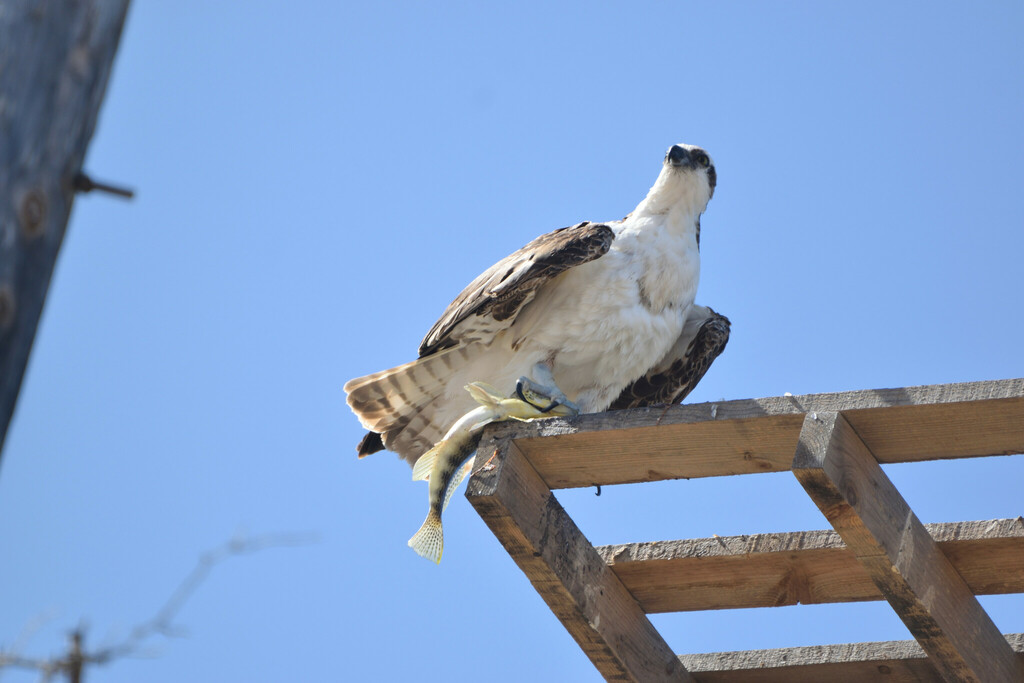
(c) Juan Cruzado Cortés, some rights reserved (CC BY) · licence
Family: Serranidae · Class: Actinopterygii · Order: Perciformes
Paralabrax maculatofasciatus (Spotted Sand Bass) is a California animal in the Serranidae family.
The spotted sand bass is a moderately sized marine fish endemic to the eastern Pacific Ocean. Adults typically measure 25 to 35 cm (10 to 14 inches) in total length, making them the smallest of the three Paralabrax species found in California waters. The body is olive brown with several faint to dark vertical bars and distinctive round black to brown spots covering the head, body, and fins. This spotted pattern distinguishes them from the closely related barred sand bass, which lacks the prominent spotting. Spotted sand bass range from Monterey, California south to Acapulco, Mexico, including the Gulf of California. They are most abundant from Newport Bay to the Gulf of California, with historical records from San Francisco Bay in the late 1800s (Love and Passarelli 2020). Within California waters, the species is commonly found in coastal embayments from Monterey southward to the Mexican border. This species inhabits shallow coastal waters from the surface and intertidal zone to depths of 90 meters (295 feet). Adults and juveniles occupy shallow harbors, bays, estuaries, and lagoons, showing a strong preference for soft bottom habitats in protected waters. In San Diego Bay, spotted sand bass are found alongside round stingrays, California halibut, and barred sand bass in areas that have been historically dredged. They also occur in areas where fresh and brackish water mix, including locations like Ballona Creek and Marina Del Rey. Spotted sand bass function as tertiary carnivores in bay-estuarine ecosystems, occupying the highest trophic level described in these habitats (Allen et al. 2006). They are opportunistic predators feeding on a variety of small fish, crustaceans, and other invertebrates. The species exhibits typical serranid reproductive behavior, with spawning occurring in warmer months. Juveniles utilize very shallow waters as nursery areas, often found in depths of 1.5 to 9 meters (5 to 30 feet). The species serves as prey for larger piscivores including sharks, marine mammals such as seals and sea lions, and larger fish species. They may also be consumed by seabirds that forage in shallow coastal waters. Spotted sand bass are not currently listed under federal or state endangered species legislation. The species supports a recreational hook-and-line fishery primarily in coastal embayments and harbor mouths throughout their California range. Since the late 1970s, sand bass species have consistently ranked among the top 10 species in the southern California marine sport fish catch. The fishery is managed through standard recreational fishing regulations, with adverse impacts considered minimal due to the hook-and-line nature of the fishery and the species' relatively stable population status in suitable habitat.
Classification
Class: Actinopterygii · Order: Perciformes · Family: Serranidae
Frequently asked questions
How is Paralabrax maculatofasciatus classified?
Paralabrax maculatofasciatus belongs to class Actinopterygii, order Perciformes, family Serranidae.
What family does Paralabrax maculatofasciatus belong to?
Paralabrax maculatofasciatus is in the Serranidae family.
What is Paralabrax maculatofasciatus?
The spotted sand bass is a moderately sized marine fish endemic to the eastern Pacific Ocean.
Is Paralabrax maculatofasciatus found in California?
Yes. Paralabrax maculatofasciatus is recorded in California in The California Species Project's catalogue.
Related species
Other California species in the same genus, family, or bioregion.
Data from The California Species Project — 14,000+ California species with verified data from CNPS, CDFW, USFWS, and more.