Paralichthys californicus
California Halibut
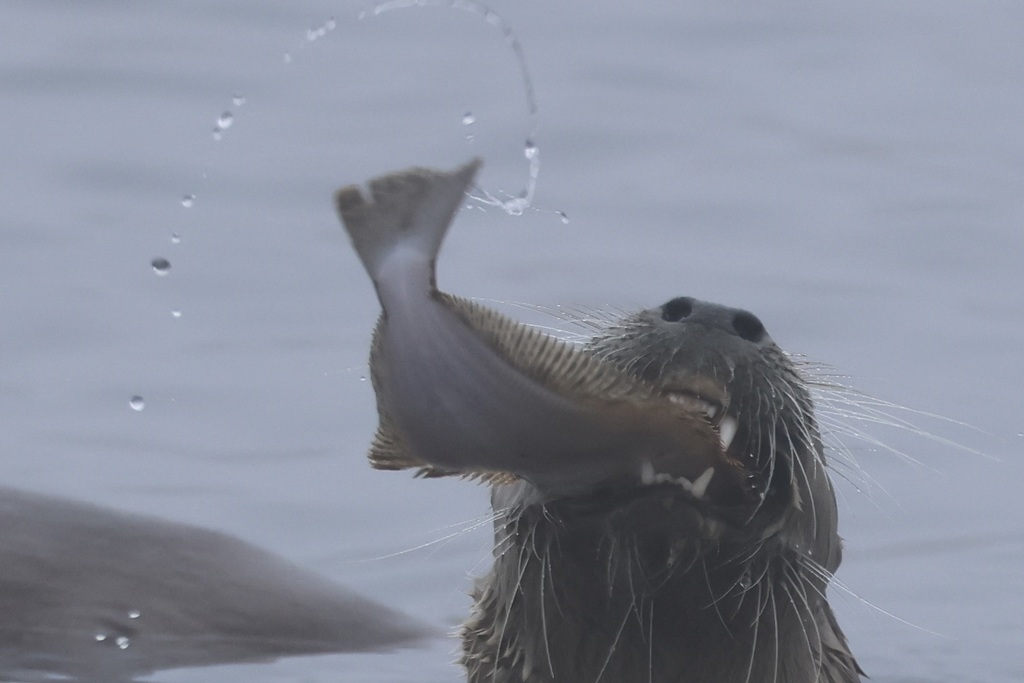
(c) er-birds, some rights reserved (CC BY) · licence
Family: Paralichthyidae · Class: Actinopterygii · Order: Pleuronectiformes
Paralichthys californicus (California Halibut) is a California animal in the Paralichthyidae family.
The California halibut is a large, commercially important flatfish endemic to the Pacific Coast. Adults typically reach 30 to 60 cm (12 to 24 inches) in length, with exceptional individuals exceeding 152 cm (5 feet) and weighing up to 27 kg (60 pounds). The species exhibits the characteristic flatfish body plan with both eyes positioned on one side of the head - uniquely among Pacific flatfishes, California halibut can have eyes on either the left or right side. The dorsal surface displays mottled brown to gray coloration that provides effective camouflage against sandy and muddy bottoms, while the ventral surface remains white. California halibut range from the Quillayute River in northern Washington to Cabo Falso in southern Baja California, Mexico, with possible occurrence in the upper Gulf of California. The species is most commonly encountered from Bodega Bay in Sonoma County, California, to Bahía de San Quintín in northern Baja California. During warm water events, populations occasionally become common in northern areas such as Humboldt Bay. The species inhabits benthic environments with soft substrate including sand and mud, typically at depths less than 60 m (197 feet), though individuals have been recorded to depths of 317 m (1,040 feet). California halibut concentrate near bays, estuaries, and other shallow coastal areas. According to California Department of Fish and Wildlife surveys, 87 to 100 percent of collected halibut occur in bay/harbor and inner shelf areas between 5 to 30 m depth. The species demonstrates ontogenetic habitat shifts, with juveniles utilizing shallow nursery areas and adults moving to deeper waters. California halibut are opportunistic predators, feeding primarily on small fishes, crustaceans, and cephalopods. Spawning occurs primarily in offshore waters during spring and summer months, with peak activity from February through August. Most spawning takes place outside estuarine habitats, though bays and estuaries serve as critical nursery areas for juveniles. Sexual maturity occurs at approximately 2-3 years of age, with most individuals mature before reaching the current minimum legal size of 56 cm (22 inches). The species exhibits protracted spawning behavior, with females capable of multiple spawning events per season. California halibut support substantial commercial and recreational fisheries throughout their range. The species is managed by the California Department of Fish and Wildlife under regulations including minimum size limits, seasonal closures, and gear restrictions. Current management treats the population as a single coastal stock, though some genetic and biological evidence suggests potential stock subdivision. While not federally listed, the species faces ongoing pressure from fishing mortality, habitat degradation in nearshore nursery areas, and climate-driven oceanographic changes. Population assessments indicate the stock remains within sustainable levels under current management practices, though continued monitoring is essential given the species' ecological and economic importance to California's marine resources.
Classification
Class: Actinopterygii · Order: Pleuronectiformes · Family: Paralichthyidae
Frequently asked questions
How is Paralichthys californicus classified?
Paralichthys californicus belongs to class Actinopterygii, order Pleuronectiformes, family Paralichthyidae.
What family does Paralichthys californicus belong to?
Paralichthys californicus is in the Paralichthyidae family.
What is Paralichthys californicus?
The California halibut is a large, commercially important flatfish endemic to the Pacific Coast.
Is Paralichthys californicus found in California?
Yes. Paralichthys californicus is recorded in California in The California Species Project's catalogue.
Related species
Other California species in the same genus, family, or bioregion.
Data from The California Species Project — 14,000+ California species with verified data from CNPS, CDFW, USFWS, and more.