Paraplatyptilia fragilis
Fragile Platyptilia
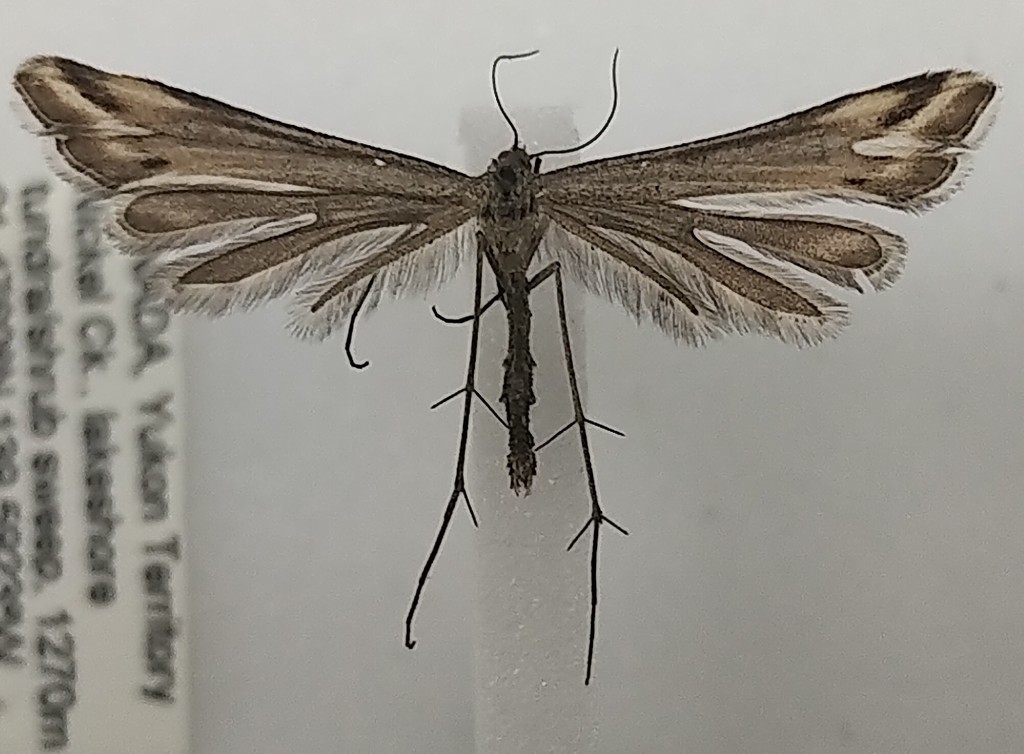
(c) Doug Macaulay, some rights reserved (CC BY) · licence
Family: Pterophoridae · Class: Insecta · Order: Lepidoptera
Paraplatyptilia fragilis (Fragile Platyptilia) is a California animal in the Pterophoridae family.
Paraplatyptilia fragilis, commonly known as the Beardtongue Plume Moth, is a small member of the plume moth family (Pterophoridae) characterized by its distinctive feathery wing structure. Adults display elongated wing shape with pale coloration, distinguishing them from related species such as P. carduidactyla. The forewings appear much paler than those of similar species, with a plainer, less marked appearance and notably pale abdomen (BugGuide 2009). Like other plume moths, the wings are divided into narrow, feather-like segments that give the family its characteristic appearance. This species has a broad distribution across western North America, ranging from eastern British Columbia southward through the Great Basin, inland montane, and desert ranges to Utah, Nevada, and New Mexico, extending to southern California (Powell & Opler 2009). The species was originally described from the arid Klamath Lakes area in extreme northern California. Within California, the species occurs in inland areas away from the coast, primarily in montane and desert regions. Paraplatyptilia fragilis inhabits arid and semi-arid environments, including sagebrush scrublands dominated by Artemisia tridentata. The species is associated with areas transitioning from pine forests to artemisia scrubland at higher elevations. Adults are attracted to artificial lights and can be found in areas with sparse vegetation typical of Great Basin ecosystems. The moth appears to prefer open, dry habitats characteristic of interior western North America. The larvae are believed to feed on beardtongue plants (Penstemon species), giving the species its common name. While specific host plant relationships require further documentation across the species' range, at least one population has been associated with Penstemon cyananthus, though this plant species does not occur in California (BugGuide). This suggests that different Penstemon species likely serve as hosts in different portions of the moth's range, including California populations. Adults are active during warmer months, though specific flight periods and reproductive behaviors for California populations have not been thoroughly documented. Paraplatyptilia fragilis currently holds no federal or state conservation status in California. The species was included on Arkansas's Species of Greatest Conservation Need list in 2006, indicating some regional conservation concern, though this designation does not confer regulatory protection (BugGuide). Limited scientific documentation exists regarding population trends, specific threats, or conservation needs for this species. The moth's association with arid and semi-arid habitats may make it vulnerable to habitat modification and climate change impacts, particularly in California's interior regions where development pressure and water management alter natural ecosystems. Further research is needed to assess population status, host plant relationships, and conservation requirements for California populations of this relatively understudied species.
Classification
Class: Insecta · Order: Lepidoptera · Family: Pterophoridae
Frequently asked questions
How is Paraplatyptilia fragilis classified?
Paraplatyptilia fragilis belongs to class Insecta, order Lepidoptera, family Pterophoridae.
What family does Paraplatyptilia fragilis belong to?
Paraplatyptilia fragilis is in the Pterophoridae family.
What is Paraplatyptilia fragilis?
Paraplatyptilia fragilis, commonly known as the Beardtongue Plume Moth, is a small member of the plume moth family (Pterophoridae) characterized by its distinctive feathery wing structure.
Is Paraplatyptilia fragilis found in California?
Yes. Paraplatyptilia fragilis is recorded in California in The California Species Project's catalogue.
Related species
Other California species in the same genus, family, or bioregion.
Data from The California Species Project — 14,000+ California species with verified data from CNPS, CDFW, USFWS, and more.