Perdita stephanomeriae
A Miner Bee
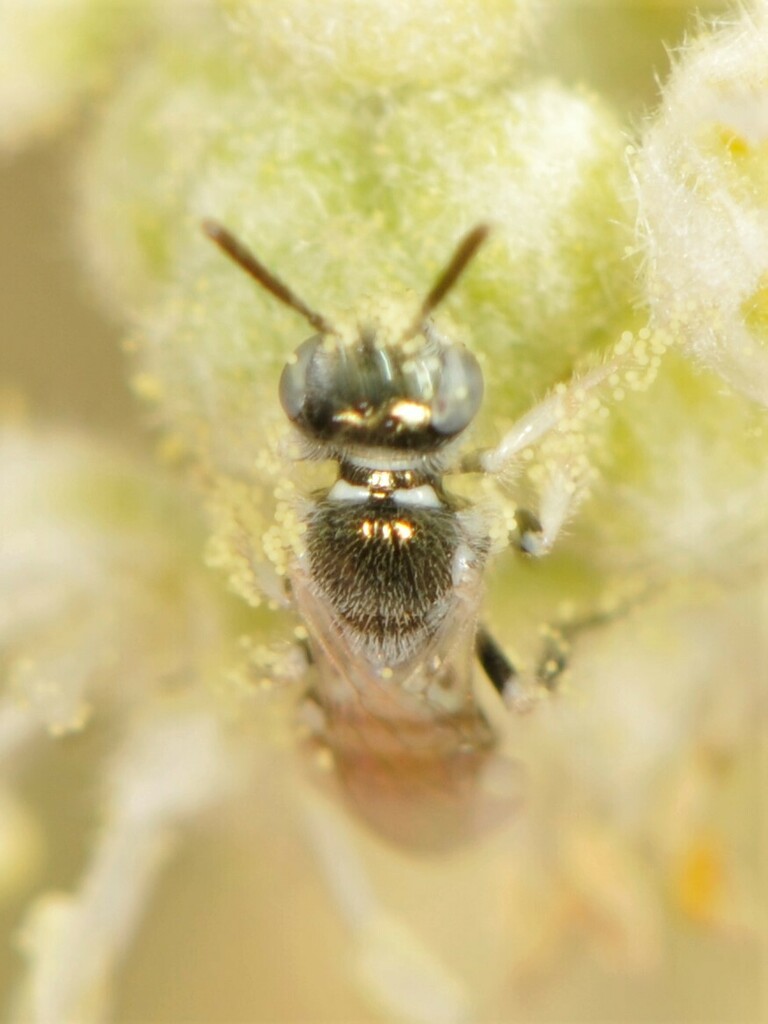
(c) Elliott Gordon, some rights reserved (CC BY) · licence
Family: Andrenidae · Class: Insecta · Order: Hymenoptera
Conservation status: G2 S1S2
Perdita stephanomeriae (A Miner Bee) is a California animal in the Andrenidae family.
Perdita stephanomeriae is a small solitary bee in the family Andrenidae, subfamily Panurginae. This miner bee species belongs to the largest genus of North American bees, with over 700 described species. Like other Perdita species, P. stephanomeriae is diminutive in size, typically measuring 3-6 mm in length, making it among the smaller native bee species in California. This species has a highly restricted range within California, occurring only in specific desert habitats. The global rank of G2 indicates that P. stephanomeriae is imperiled globally, with 6 to 20 occurrences or few remaining individuals. The state rank of S1S2 reflects that it is critically imperiled to imperiled within California, with 5 or fewer occurrences or very few remaining individuals to 6-20 occurrences. Perdita stephanomeriae inhabits arid desert environments, where it demonstrates extreme host plant specialization typical of many Perdita species. The species name "stephanomeriae" suggests an association with plants in the genus Stephanomeria, commonly known as wirelettuce or skeletonweed. This specialized relationship indicates that the bee's life cycle is closely tied to the flowering periods of its host plants, which typically bloom in late summer and fall in desert regions. Like other members of its genus, P. stephanomeriae exhibits ground-nesting behavior characteristic of approximately 70% of native bee species. Females excavate burrows in bare soil where they construct brood cells and provision them with pollen and nectar collected exclusively from their host plants. This oligolectic feeding behavior, where bees specialize on specific plant genera or families, makes P. stephanomeriae particularly vulnerable to habitat disturbance and host plant loss. The species follows a solitary lifestyle, with each female independently constructing and provisioning her nest. Adults are active during the blooming period of Stephanomeria species, synchronizing their emergence with flower availability. This temporal specialization further constrains the species' ability to adapt to environmental changes or utilize alternative resources. The conservation status of P. stephanomeriae reflects the precarious situation facing many specialized desert pollinators. Primary threats include habitat loss from urban development, agricultural conversion, and recreational activities that disturb nesting sites. Climate change poses additional risks by altering precipitation patterns and flowering phenology, potentially disrupting the synchronized relationship between the bee and its host plants. The fragmented nature of suitable habitat and the species' limited dispersal ability compound these challenges. Given its restricted range and specialized ecological requirements, P. stephanomeriae exemplifies the conservation challenges facing California's native bee fauna. The species' survival depends on maintaining intact desert ecosystems where both suitable nesting sites and host plant populations can persist. Protection of remaining habitat and careful management of land use practices in areas where the species occurs are essential for its long-term conservation.
Classification
Class: Insecta · Order: Hymenoptera · Family: Andrenidae
Conservation status
G2 S1S2
Frequently asked questions
How is Perdita stephanomeriae classified?
Perdita stephanomeriae belongs to class Insecta, order Hymenoptera, family Andrenidae.
What family does Perdita stephanomeriae belong to?
Perdita stephanomeriae is in the Andrenidae family.
Is Perdita stephanomeriae protected or of conservation concern?
Perdita stephanomeriae carries the following status: G2 S1S2.
What is Perdita stephanomeriae?
Perdita stephanomeriae is a small solitary bee in the family Andrenidae, subfamily Panurginae.
Is Perdita stephanomeriae found in California?
Yes. Perdita stephanomeriae is recorded in California in The California Species Project's catalogue.
Related species
Other California species in the same genus, family, or bioregion.
Data from The California Species Project — 14,000+ California species with verified data from CNPS, CDFW, USFWS, and more.