Periclistus pirata
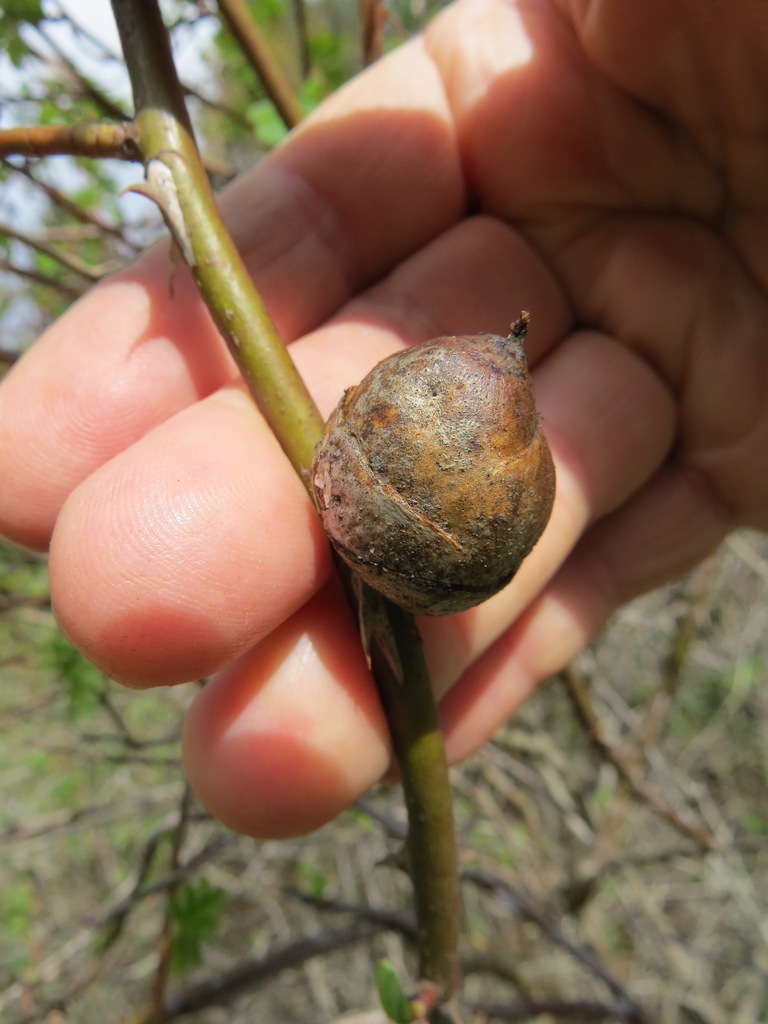
(c) Garth Harwood, some rights reserved (CC BY) · licence
Family: Cynipidae · Class: Insecta · Order: Hymenoptera
Periclistus pirata is a California animal in the Cynipidae family.
Periclistus pirata is a small gall wasp in the family Cynipidae, one of numerous hymenopteran species that induce gall formation on plants. This species belongs to a diverse group of cynipid wasps that have evolved complex relationships with their host plants, though specific morphological details and size measurements for P. pirata have not been well documented in accessible literature. The geographic distribution of Periclistus pirata appears to be primarily within North America, though precise range boundaries and occurrence records remain poorly documented. Like many cynipid wasps, this species likely has a restricted distribution tied to the availability of its specific host plant species. California occurrence records for this species are limited, and its presence within the state requires further verification through systematic surveys. Habitat requirements for P. pirata are closely linked to the distribution of its host plant species. Cynipid wasps typically exhibit high host specificity, with individual species often restricted to particular plant genera or even specific plant species. The microhabitat preferences likely include areas where the host plant occurs naturally, potentially spanning various elevation ranges and vegetation communities depending on the host's ecological requirements. The life cycle of P. pirata, like other cynipid wasps, involves the formation of plant galls where larvae develop. Adult females use their ovipositors to insert eggs into plant tissues, triggering the formation of specialized structures called galls that provide both protection and nutrition for developing larvae. The timing of adult emergence, mating behavior, and oviposition periods have not been thoroughly documented for this species. Many cynipid wasps exhibit complex life cycles that may involve alternating sexual and asexual generations, though whether P. pirata displays this pattern remains unknown. Gall wasps play important ecological roles as both herbivores and as components of complex food webs. The galls they create support diverse communities of inquilines (species that live within galls created by other organisms) and natural enemies including parasitic wasps. Adult cynipids serve as prey for various predators and may also function as pollinators when visiting flowers for nectar. No federal or state conservation status has been assigned to Periclistus pirata, reflecting the limited knowledge about this species' population status, distribution, and ecological requirements. Like many small arthropod species, P. pirata may face threats from habitat modification, climate change, and potential impacts on its host plant species, though specific conservation concerns have not been identified or assessed. Detailed ecological studies of this species are lacking. The above information synthesizes general knowledge of cynipid wasp biology with available taxonomic information. Additional field surveys, host plant identification, and life history studies are needed to better understand the distribution, habitat requirements, and conservation needs of P. pirata in California and throughout its range.
Classification
Class: Insecta · Order: Hymenoptera · Family: Cynipidae
Frequently asked questions
How is Periclistus pirata classified?
Periclistus pirata belongs to class Insecta, order Hymenoptera, family Cynipidae.
What family does Periclistus pirata belong to?
Periclistus pirata is in the Cynipidae family.
What is Periclistus pirata?
Periclistus pirata is a small gall wasp in the family Cynipidae, one of numerous hymenopteran species that induce gall formation on plants.
Is Periclistus pirata found in California?
Yes. Periclistus pirata is recorded in California in The California Species Project's catalogue.
Related species
Other California species in the same genus, family, or bioregion.
Data from The California Species Project — 14,000+ California species with verified data from CNPS, CDFW, USFWS, and more.