Perigonica tertia
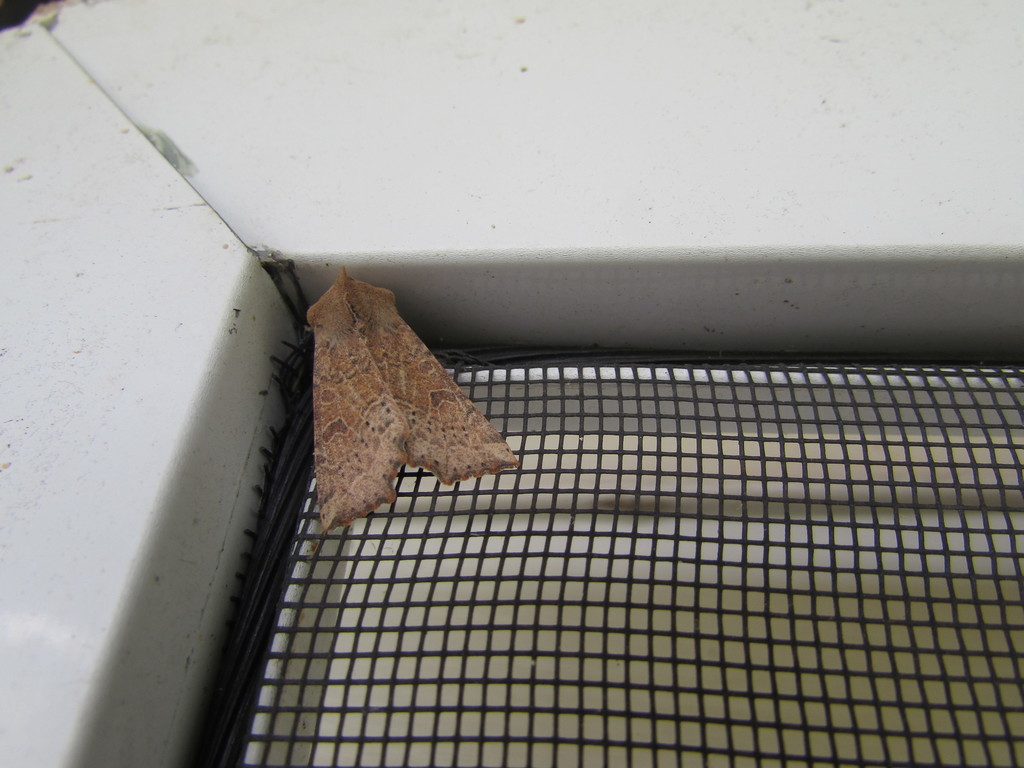
(c) Matt D'Agrosa, some rights reserved (CC BY) · licence
Family: Noctuidae · Class: Insecta · Order: Lepidoptera
Perigonica tertia is a California animal in the Noctuidae family.
Perigonica tertia is a moth species in the family Noctuidae, commonly known as owlet moths or cutworm moths. This species represents one of the lesser-documented members of the genus Perigonica, with limited published research available on its physical characteristics and ecological requirements. The physical description of Perigonica tertia follows the general morphological patterns typical of noctuids, with forewings that likely display cryptic coloration patterns. Adult moths in the Noctuidae family typically possess forewings with subtle earth-toned markings that provide camouflage during daytime rest periods. The hindwings are generally paler than the forewings, and the antennae are filiform in both sexes, though males may show slight enlargement of antennal segments for pheromone detection. The current known range of Perigonica tertia appears to be restricted to California, though specific distribution data remains limited. Without comprehensive survey data, the precise counties or regions where this species occurs cannot be definitively stated. The historical range of the species is similarly poorly documented, making it difficult to assess whether populations have experienced range contractions or remain stable within their original distribution. Habitat requirements for Perigonica tertia are not well-established in the available literature. Most noctuids occupy diverse habitats ranging from grasslands to shrublands and forest edges, with larvae typically developing in association with specific host plants. The elevation range and specific vegetation community preferences for this species require additional field research to document accurately. The behavioral ecology and life cycle of Perigonica tertia follows the typical noctuid pattern of complete metamorphosis. Adults are likely nocturnal, emerging after sunset to mate and seek oviposition sites. Females probably deposit eggs on or near larval host plants, though the specific plant species utilized by P. tertia larvae remains undocumented. The number of annual generations, seasonal flight period, and overwintering stage are unknown for this species. Larval feeding behavior likely involves consumption of host plant foliage, with pupation occurring in soil or plant debris. The conservation status of Perigonica tertia is currently unassessed at federal and state levels. Without recent population surveys or comprehensive distribution mapping, the species' conservation needs cannot be properly evaluated. The lack of federal or California state listing status may reflect insufficient data rather than population stability. Primary threats to the species cannot be identified without better understanding of its habitat requirements and current distribution. Climate change, habitat conversion, and pesticide use represent potential threats common to many California Lepidoptera, but their specific impacts on P. tertia remain unknown. Comprehensive field surveys and taxonomic research are needed to better understand the distribution, ecology, and conservation status of Perigonica tertia. The species exemplifies the data gaps that exist for many invertebrate taxa in California's diverse ecosystems.
Classification
Class: Insecta · Order: Lepidoptera · Family: Noctuidae
Frequently asked questions
How is Perigonica tertia classified?
Perigonica tertia belongs to class Insecta, order Lepidoptera, family Noctuidae.
What family does Perigonica tertia belong to?
Perigonica tertia is in the Noctuidae family.
What is Perigonica tertia?
Perigonica tertia is a moth species in the family Noctuidae, commonly known as owlet moths or cutworm moths.
Is Perigonica tertia found in California?
Yes. Perigonica tertia is recorded in California in The California Species Project's catalogue.
Related species
Other California species in the same genus, family, or bioregion.
Data from The California Species Project — 14,000+ California species with verified data from CNPS, CDFW, USFWS, and more.