Perimede circitor
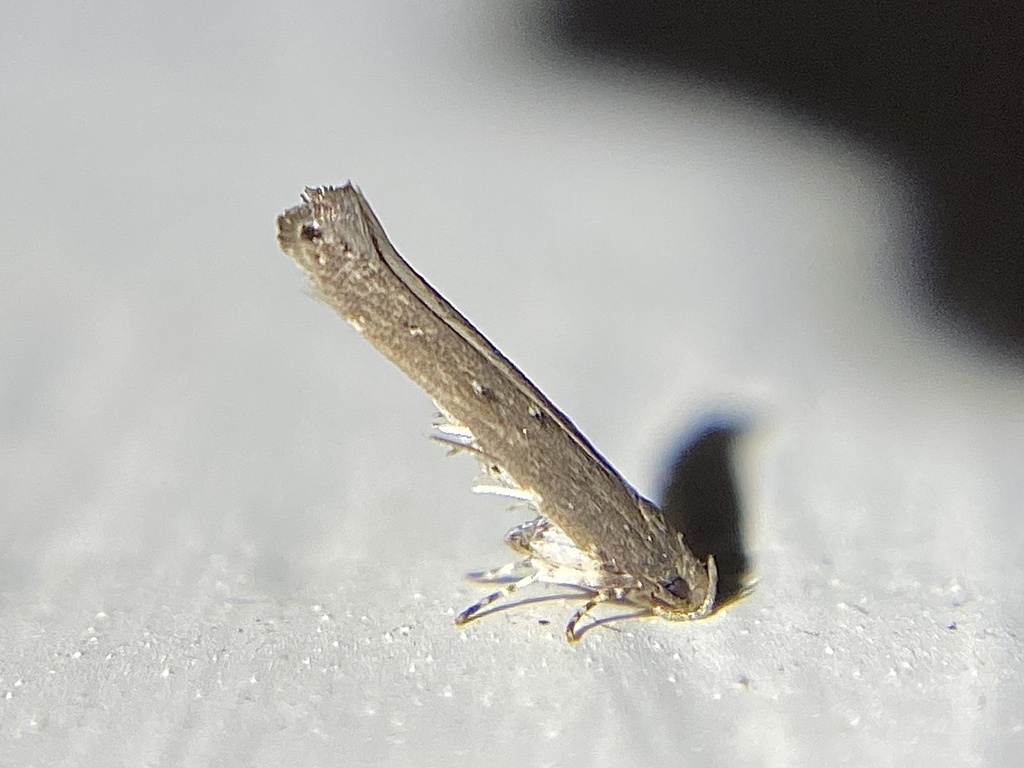
no rights reserved · CC0
Family: Cosmopterigidae · Class: Insecta · Order: Lepidoptera
Perimede circitor is a California animal in the Cosmopterigidae family.
Perimede circitor is a small moth in the family Cosmopterigidae, a diverse group of microlepidoptera commonly known as cosmet moths. This species represents one of many specialized moths within the order Lepidoptera that have evolved specific ecological niches in California's ecosystems. The physical characteristics of P. circitor follow the typical morphology of cosmopterigid moths. Adults are small-bodied with narrow wings and slender antennae. The forewings are typically elongated and pointed at the tips, while the hindwings are often reduced in size with pronounced fringes of scales along the margins. Wingspan measurements and specific coloration patterns for this species require further documentation from collected specimens. Like other members of Cosmopterigidae, adults likely measure between 8 to 15 millimeters in wingspan. The geographic range and distribution of Perimede circitor within California remains poorly documented in available databases. The species' presence in the state suggests adaptation to specific regional environmental conditions, though detailed locality records and elevation preferences have not been comprehensively cataloged. Many cosmopterigid moths show restricted distributions tied to their host plant associations and microhabitat requirements. Habitat preferences for P. circitor are not well-established in current literature. Members of the Cosmopterigidae family typically inhabit diverse environments ranging from chaparral and oak woodlands to desert scrub communities. Some species within this family show preferences for areas with specific plant communities, while others demonstrate broader habitat tolerance. The specific vegetation types, elevation ranges, and microhabitat features utilized by this species require field studies for accurate characterization. The life history and ecological behavior of Perimede circitor follows the general pattern observed in cosmopterigid moths. Adults are likely nocturnal, with flight periods that may be seasonally restricted. Larval development probably occurs within or on host plants, with caterpillars potentially boring into stems, feeding on leaves, or developing within seed heads or other plant structures. Many species in this family show highly specialized larval feeding behaviors tied to specific plant taxa. Adult emergence timing, mating behaviors, and overwintering strategies for P. circitor remain undocumented. The conservation status of Perimede circitor is not formally assessed at federal or state levels. The species lacks designated protection status under the Endangered Species Act or California Endangered Species Act. Population trends, distribution changes, and potential threats are not documented in available conservation databases. Like many microlepidoptera, this species may face challenges from habitat modification, pesticide use, and climate change effects on host plant distributions. The limited available data on this moth's basic biology and distribution represents a significant knowledge gap that hampers conservation assessment. Targeted surveys and taxonomic research would be necessary to evaluate the species' conservation needs and population status within California.
Classification
Class: Insecta · Order: Lepidoptera · Family: Cosmopterigidae
Frequently asked questions
How is Perimede circitor classified?
Perimede circitor belongs to class Insecta, order Lepidoptera, family Cosmopterigidae.
What family does Perimede circitor belong to?
Perimede circitor is in the Cosmopterigidae family.
What is Perimede circitor?
Perimede circitor is a small moth in the family Cosmopterigidae, a diverse group of microlepidoptera commonly known as cosmet moths.
Is Perimede circitor found in California?
Yes. Perimede circitor is recorded in California in The California Species Project's catalogue.
Related species
Other California species in the same genus, family, or bioregion.
Data from The California Species Project — 14,000+ California species with verified data from CNPS, CDFW, USFWS, and more.