Perizoma curvilinea
Curved-line Perizoma
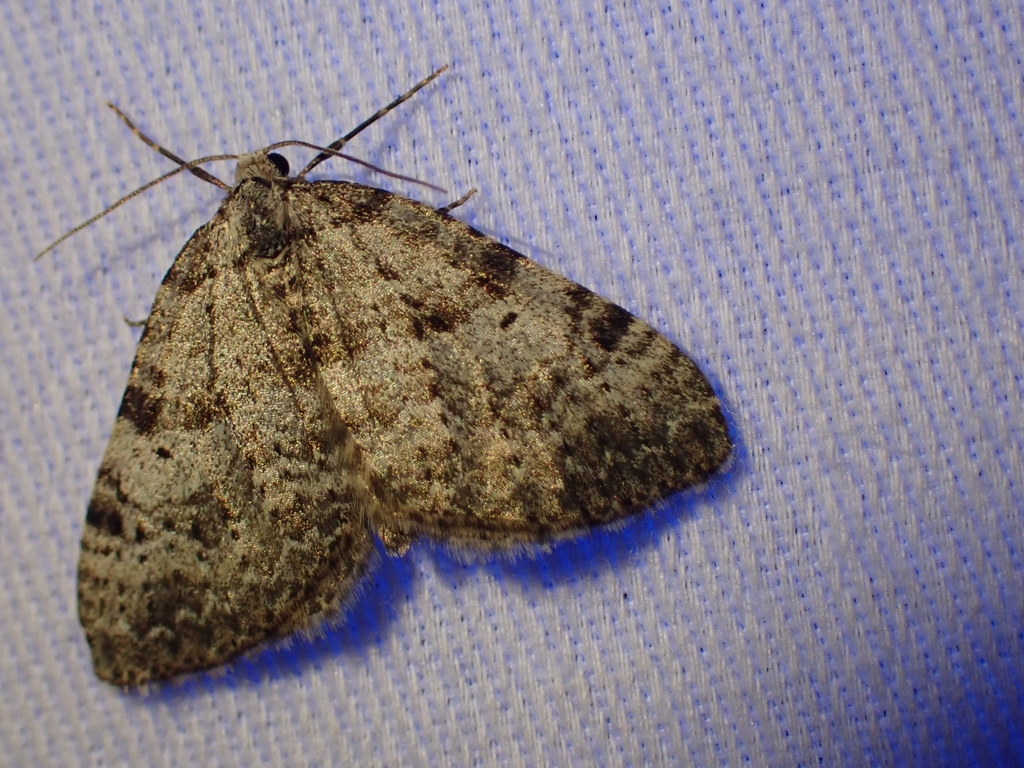
no rights reserved · CC0
Family: Geometridae · Class: Insecta · Order: Lepidoptera
Perizoma curvilinea (Curved-line Perizoma) is a California animal in the Geometridae family.
The Curved-line Perizoma (Perizoma curvilinea) is a small geometrid moth in the subfamily Larentiinae, tribe Perizomini. This species belongs to a group of moths commonly known as carpet moths or pugs, characterized by their typically cryptic wing patterns and modest size. Adult moths display the intricate cross-lines and geometric patterns typical of the Geometridae family, though specific morphological details for this species remain poorly documented in available literature. Historically, Perizoma curvilinea was documented from western North America, though its precise distribution within California requires further clarification. The species appears to have a limited range, as suggested by its inclusion on conservation concern lists in multiple states. According to BugGuide, this species has been identified as a Species of Greatest Conservation Need in both New Mexico and Arkansas, indicating regional conservation concerns across its broader range. Like other members of the genus Perizoma, this species likely inhabits areas where its larval host plants occur. Geometridae larvae are typically herbivorous, feeding on a variety of plant species depending on the specific moth species. However, documented host plant associations for P. curvilinea remain unknown in current literature. The habitat preferences and ecological requirements of this species have not been well documented, representing a significant knowledge gap for conservation planning. The life cycle of Perizoma curvilinea presumably follows the typical geometrid pattern of complete metamorphosis, with eggs developing into caterpillars that pupate before emerging as adults. Adult flight periods, mating behaviors, and seasonal activity patterns have not been specifically documented for this species. Like many geometrids, adults are likely nocturnal and attracted to artificial lights, though specific behavioral observations are lacking. The conservation status of Perizoma curvilinea raises significant concern. NatureServe lists the species with a global status of GNR (Global Status Not Ranked), while some sources indicate it may be presumed extinct (GX status) according to NatureServe Explorer. The Moth Photographers Group notes taxonomic uncertainty surrounding this species, describing it as "incertae sedis" (placement uncertain) and unplaced to tribe in recent taxonomic revisions (Õunap et al. 2019). This taxonomic uncertainty complicates conservation assessments and may reflect either genuine rarity or insufficient scientific study. The apparent rarity of this species across multiple states suggests potential vulnerability to habitat loss, climate change, or other anthropogenic factors affecting western North American ecosystems. However, the lack of recent confirmed observations and detailed ecological data makes it difficult to assess specific threats or develop targeted conservation strategies. Scientific documentation for Perizoma curvilinea remains extremely limited. The information presented here synthesizes available sources including NatureServe, BugGuide, and the Moth Photographers Group. Detailed studies of this species' distribution, ecology, life history, and current population status are urgently needed to clarify its conservation requirements and taxonomic validity.
Classification
Class: Insecta · Order: Lepidoptera · Family: Geometridae
Frequently asked questions
How is Perizoma curvilinea classified?
Perizoma curvilinea belongs to class Insecta, order Lepidoptera, family Geometridae.
What family does Perizoma curvilinea belong to?
Perizoma curvilinea is in the Geometridae family.
What is Perizoma curvilinea?
The Curved-line Perizoma (Perizoma curvilinea) is a small geometrid moth in the subfamily Larentiinae, tribe Perizomini.
Is Perizoma curvilinea found in California?
Yes. Perizoma curvilinea is recorded in California in The California Species Project's catalogue.
Related species
Other California species in the same genus, family, or bioregion.
Data from The California Species Project — 14,000+ California species with verified data from CNPS, CDFW, USFWS, and more.