Perizoma grandis
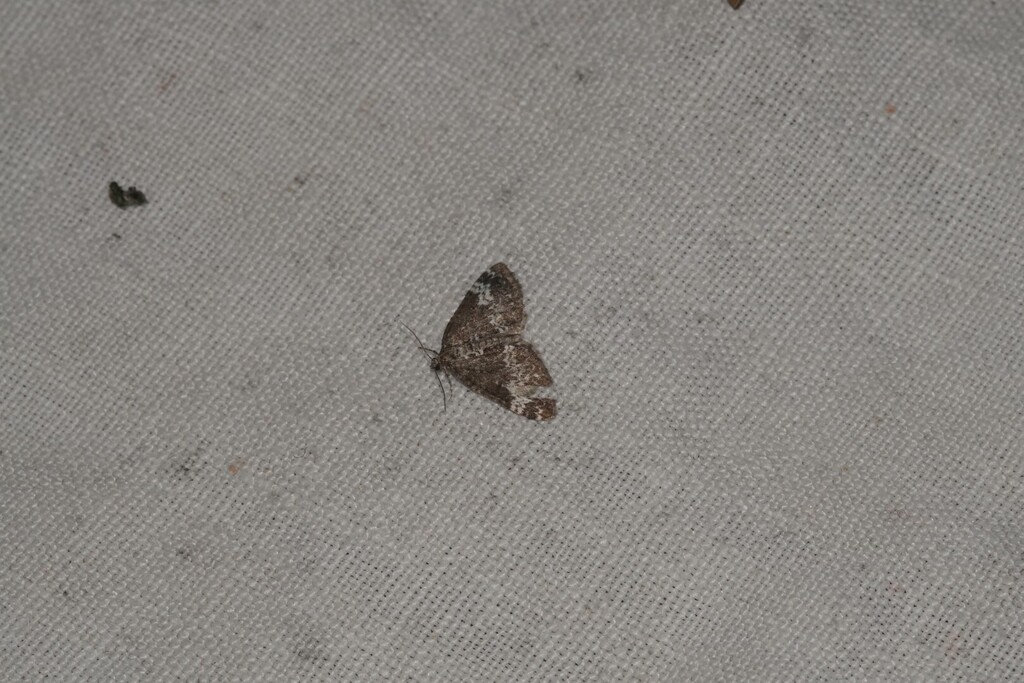
(c) Sylvain Montagner, some rights reserved (CC BY) · licence
Family: Geometridae · Class: Insecta · Order: Lepidoptera
Perizoma grandis is a California animal in the Geometridae family.
Perizoma grandis is a moth species belonging to the family Geometridae, commonly known as geometrids or inchworms. This species represents one of the numerous geometrid moths found in western North America, though detailed morphological descriptions and life history information remain limited in the scientific literature. Like other members of the genus Perizoma, P. grandis likely exhibits the typical geometrid body plan with a relatively slender build and broad wings. Adult wingspan measurements and specific coloration patterns have not been well documented in accessible sources. Geometridae moths generally display cryptic coloration that provides camouflage against bark, lichens, or foliage. The larvae of geometrids are characterized by their distinctive looping locomotion, possessing prolegs only at the posterior end, which creates their characteristic inchworm movement pattern. The geographic range of Perizoma grandis appears to be centered in western North America, though precise distribution limits have not been comprehensively mapped. Many Perizoma species exhibit relatively restricted ranges, often associated with specific host plant communities or elevation zones. The species likely occurs in montane or subalpine environments, as is common for many western North American geometrids. Habitat preferences for P. grandis have not been specifically documented, though other Perizoma species typically inhabit forested or woodland environments. The elevation range, vegetation associations, and microhabitat requirements remain poorly characterized for this species. Many geometrids in this genus are associated with herbaceous plants or shrubs rather than large trees, suggesting P. grandis may utilize similar resources. The larval host plants for Perizoma grandis have not been definitively identified in available literature. Geometridae larvae typically feed on a diverse range of plant families, and different Perizoma species have been recorded feeding on plants in families such as Rosaceae, Ericaceae, and Scrophulariaceae. Adult flight period, number of generations per year, and overwintering stage remain undocumented for this species. Most temperate geometrids are univoltine, with adults emerging during specific seasonal windows. The conservation status of Perizoma grandis has not been formally assessed by federal or state agencies. No population data, trend information, or threat assessments are currently available for this species. Like many lesser-known moth species, P. grandis may face pressures from habitat modification, climate change, and potential impacts from artificial lighting, though these threats have not been specifically evaluated. The species does not appear on any federal or state conservation lists as of December 2025. Further research is needed to characterize the basic biology, ecology, and conservation needs of Perizoma grandis. Systematic surveys, host plant studies, and population monitoring would provide essential baseline data for understanding this species' status and requirements.
Classification
Class: Insecta · Order: Lepidoptera · Family: Geometridae
Frequently asked questions
How is Perizoma grandis classified?
Perizoma grandis belongs to class Insecta, order Lepidoptera, family Geometridae.
What family does Perizoma grandis belong to?
Perizoma grandis is in the Geometridae family.
What is Perizoma grandis?
Perizoma grandis is a moth species belonging to the family Geometridae, commonly known as geometrids or inchworms.
Is Perizoma grandis found in California?
Yes. Perizoma grandis is recorded in California in The California Species Project's catalogue.
Related species
Other California species in the same genus, family, or bioregion.
Data from The California Species Project — 14,000+ California species with verified data from CNPS, CDFW, USFWS, and more.