Pero behrensaria
Behr's Pero Moth
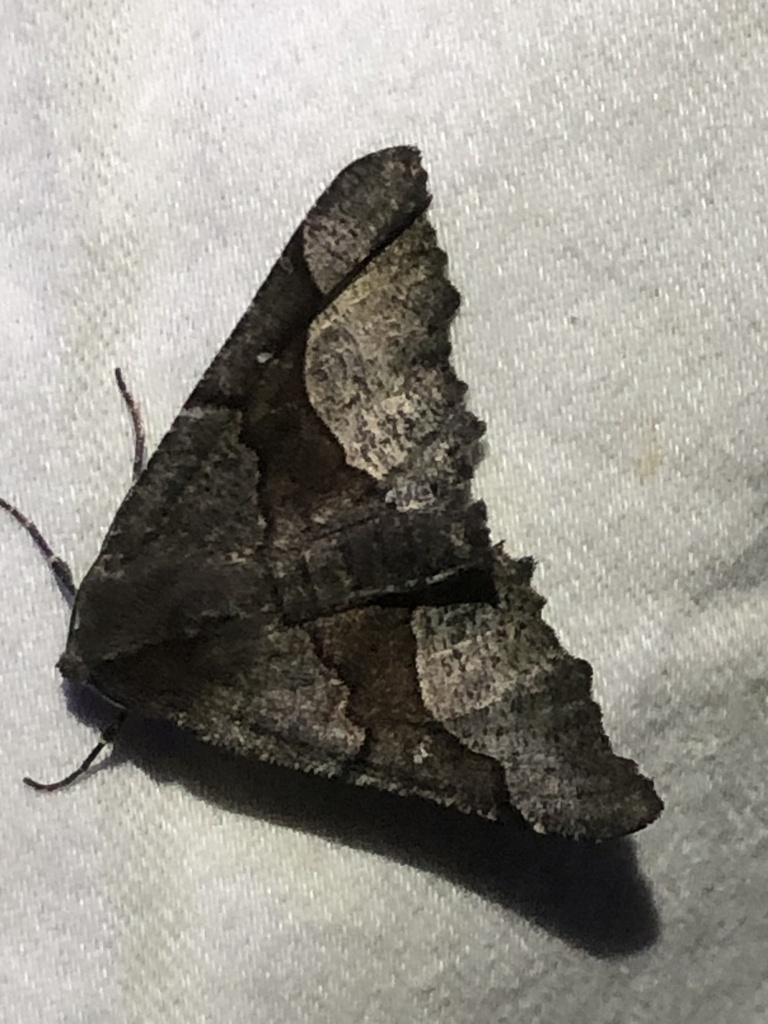
no rights reserved · CC0
Family: Geometridae · Class: Insecta · Order: Lepidoptera
Pero behrensaria (Behr's Pero Moth) is a California animal in the Geometridae family.
Behr's Pero Moth is a geometrid moth in the subfamily Ennominae, tribe Azelinini. This species belongs to the genus Pero, which comprises several North American inchworm moths. The taxonomic classification places it within the family Geometridae, commonly known as geometer moths or inchworms, characterized by larvae that move in a distinctive looping motion. Specific morphological details for Pero behrensaria remain poorly documented in available scientific literature. Like other members of the genus Pero, adults likely display the typical geometrid wing patterns with subtle earth-toned coloration that provides effective camouflage against tree bark and natural substrates. The wingspan and detailed physical characteristics require further documentation through systematic collection and study. The distribution of Behr's Pero Moth appears to be centered in western North America, particularly California, based on collection records from lepidopterist surveys. Historical collecting records indicate presence in various California counties, though comprehensive range mapping remains incomplete. The species name "behrensaria" likely honors Hermann Behr, a 19th-century California naturalist and physician who made significant contributions to the state's early entomological surveys. Habitat preferences for this species have not been thoroughly documented in available literature. Based on collection localities mentioned in lepidopterist surveys, the species may occur across diverse elevational gradients and vegetation types typical of California's varied landscapes. Many Pero species are associated with deciduous and mixed woodlands, suggesting similar habitat requirements for P. behrensaria, though specific plant associations require verification. Ecological information including host plants, flight periods, and larval biology remains largely undocumented for Behr's Pero Moth. Geometridae larvae typically feed on woody plant foliage, and adults are generally nocturnal, attracted to artificial lights. Seasonal activity patterns, mating behavior, and specific host plant relationships have not been systematically studied or reported for this species. The conservation status of Pero behrensaria has not been formally assessed by state or federal agencies. NatureServe assigns this species a global rank of G5, indicating it is apparently secure globally with no immediate conservation concerns (NatureServe Explorer). However, this ranking may reflect limited survey data rather than comprehensive population assessments. The species does not appear on federal or California state listing considerations as of December 2025. Comprehensive biological studies of Behr's Pero Moth are notably lacking in published literature. The species appears sporadically in regional lepidoptera survey reports and collecting records, suggesting either naturally low population densities, restricted habitat requirements, or insufficient targeted survey efforts. Future research priorities should include systematic surveys to map current distribution, document host plant relationships, and characterize habitat requirements to support informed conservation planning for this and other poorly known geometrid species in California's diverse ecosystems.
Classification
Class: Insecta · Order: Lepidoptera · Family: Geometridae
Frequently asked questions
How is Pero behrensaria classified?
Pero behrensaria belongs to class Insecta, order Lepidoptera, family Geometridae.
What family does Pero behrensaria belong to?
Pero behrensaria is in the Geometridae family.
What is Pero behrensaria?
Behr's Pero Moth is a geometrid moth in the subfamily Ennominae, tribe Azelinini.
Is Pero behrensaria found in California?
Yes. Pero behrensaria is recorded in California in The California Species Project's catalogue.
Related species
Other California species in the same genus, family, or bioregion.
Data from The California Species Project — 14,000+ California species with verified data from CNPS, CDFW, USFWS, and more.