Phanacis hypochoeridis
Catsear Gall Wasp
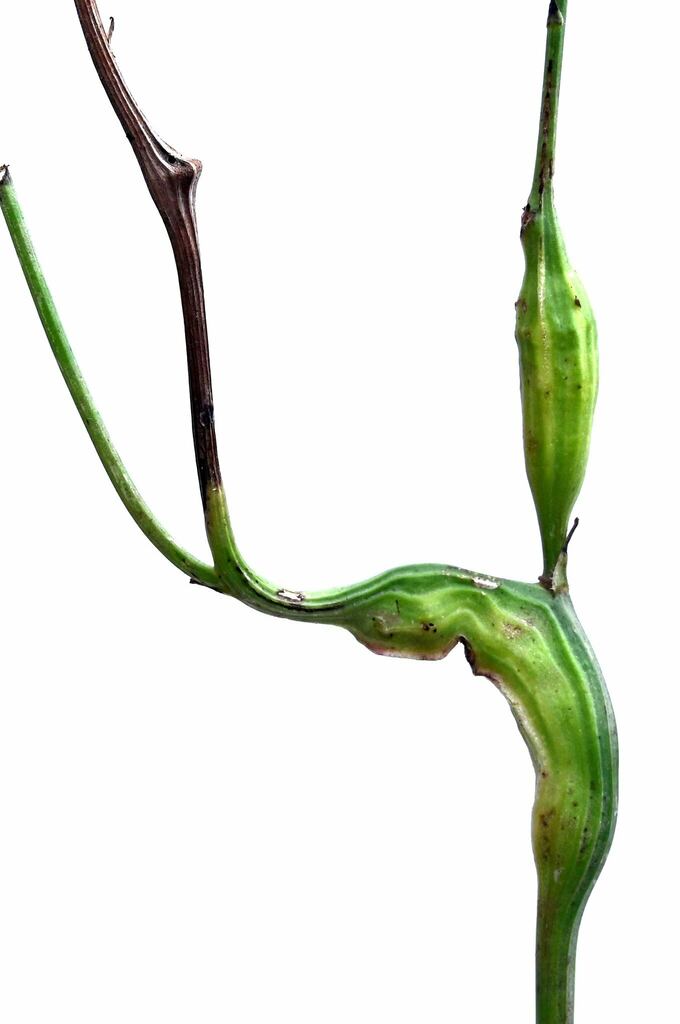
no rights reserved · CC0
Family: Cynipidae · Class: Insecta · Order: Hymenoptera
Phanacis hypochoeridis (Catsear Gall Wasp) is a California animal in the Cynipidae family.
The Catsear Gall Wasp (Phanacis hypochoeridis) is a small parasitic wasp in the family Cynipidae that induces galls on its host plants. Like other cynipid wasps, adults are typically 2-5 mm in length with a compact body structure and distinctive wing venation patterns. The species exhibits the characteristic wasp-waisted appearance of hymenopterans, though specific morphological details for this species have not been well documented in accessible literature. Phanacis hypochoeridis occurs in North America, though its precise distribution range remains poorly documented. The species has been recorded from various locations across the United States, but detailed surveys of its geographic range are lacking. BugGuide maintains records of this species, indicating its presence in multiple states, though comprehensive distribution mapping has not been completed. As its common name suggests, the Catsear Gall Wasp is closely associated with plants in the genus Hypochoeris, particularly hairy cat's ear (Hypochoeris radicata). This introduced European plant is now widespread in North American grasslands, disturbed areas, and along roadsides. The wasp likely occurs wherever suitable host plants are present, including meadows, pastures, and open grassland habitats. Hairy cat's ear thrives in areas with moderate moisture and can tolerate various soil conditions, from sea level to moderate elevations. Like other cynipid gall wasps, P. hypochoeridis has a complex life cycle involving gall formation on its host plant. Adult females use their ovipositor to insert eggs into plant tissues, typically targeting stems, leaves, or flower heads of Hypochoeris species. The developing larvae induce the formation of galls - abnormal growths that provide both shelter and nutrition. The gall structure is species-specific and serves as a diagnostic feature for identification. Development time from egg to adult varies with environmental conditions, typically requiring several weeks to months. Many cynipid species exhibit alternating generations with different gall forms, though specific details of this species' reproductive biology remain understudied. The conservation status of Phanacis hypochoeridis has not been formally assessed by federal or state agencies. The species does not appear on endangered species lists or state wildlife action plans as of December 2025. Its conservation status is likely tied to the availability of its host plants, particularly Hypochoeris radicata, which is abundant and widespread across much of North America. However, the specialized relationship between gall wasps and their hosts means that local population dynamics may be complex and influenced by factors affecting host plant communities. Scientific documentation for this species remains limited, with most information derived from taxonomic databases and brief mentions in ecological surveys. Detailed studies of its biology, distribution, and ecological relationships are needed to better understand this specialized insect's role in North American ecosystems.
Classification
Class: Insecta · Order: Hymenoptera · Family: Cynipidae
Frequently asked questions
How is Phanacis hypochoeridis classified?
Phanacis hypochoeridis belongs to class Insecta, order Hymenoptera, family Cynipidae.
What family does Phanacis hypochoeridis belong to?
Phanacis hypochoeridis is in the Cynipidae family.
What is Phanacis hypochoeridis?
The Catsear Gall Wasp (Phanacis hypochoeridis) is a small parasitic wasp in the family Cynipidae that induces galls on its host plants.
Is Phanacis hypochoeridis found in California?
Yes. Phanacis hypochoeridis is recorded in California in The California Species Project's catalogue.
Related species
Other California species in the same genus, family, or bioregion.
Data from The California Species Project — 14,000+ California species with verified data from CNPS, CDFW, USFWS, and more.