Phaneta apacheana
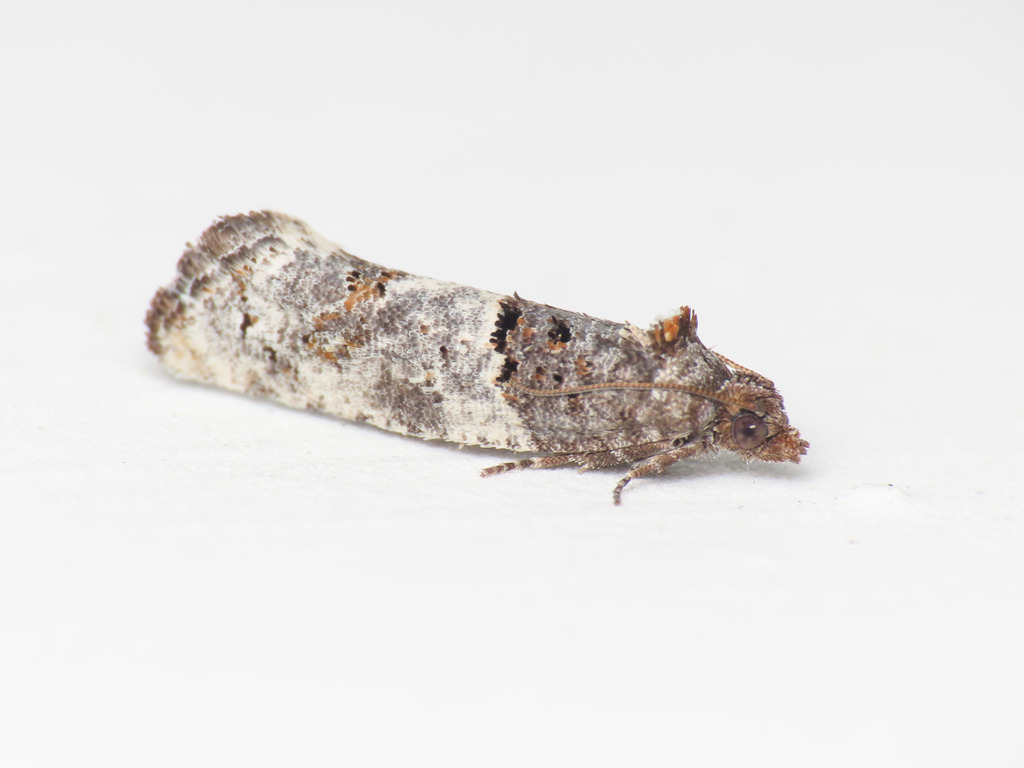
(c) Emanuele Santarelli, some rights reserved (CC BY-SA) · licence
Family: Tortricidae · Class: Insecta · Order: Lepidoptera
Phaneta apacheana is a California animal in the Tortricidae family.
Phaneta apacheana is a moth species in the family Tortricidae, a diverse group commonly known as leafroller moths. This species belongs to the genus Phaneta, which comprises numerous small moths distributed across North America. As with most tortricids, P. apacheana likely measures between 8 to 15 mm in wingspan, though specific morphological details for this species remain undocumented in accessible literature. The forewings of tortricid moths typically display cryptic patterns of browns, grays, and earth tones that provide camouflage when at rest on tree bark or vegetation. The distribution and range of Phaneta apacheana are poorly documented in current scientific literature. The species epithet 'apacheana' suggests a potential association with regions historically inhabited by Apache peoples, which could indicate a distribution in the southwestern United States, possibly including parts of Arizona, New Mexico, or adjacent areas. However, without verified occurrence records, the precise geographic range remains uncertain. No confirmed records from California have been located in accessible databases. Habitat requirements for P. apacheana are not well-established in current literature. Members of the genus Phaneta typically inhabit forested or woodland environments, with larvae developing within the stems, roots, or seed heads of herbaceous plants or woody shrubs. Many Phaneta species show host plant specificity, with different species associated with particular plant families such as Asteraceae, Rosaceae, or Fabaceae. The larval development likely occurs within plant tissues, where caterpillars create feeding galleries or chambers that provide protection from predators and environmental conditions. The life cycle of P. apacheana presumably follows the typical tortricid pattern of complete metamorphosis. Adult flight periods for related Phaneta species often occur during spring or summer months, with timing varying by geographic location and elevation. Females likely deposit eggs on or near host plants, where larvae develop through several instars before pupation. Many tortricid species overwinter as larvae or pupae within plant tissues or soil. Adult moths are typically active during evening or nighttime hours and are attracted to artificial lights. The conservation status of Phaneta apacheana cannot be adequately assessed due to insufficient data on population size, distribution, and ecological requirements. This species does not appear on federal or state endangered species lists, nor is it included in comprehensive moth surveys from California or adjacent states. The lack of recent collection records or ecological studies suggests either a very restricted distribution, confusion with related species, or potential taxonomic uncertainty. Many microlepidoptera species remain poorly studied, with limited information available about their biology, distribution, and conservation needs. Further taxonomic research and targeted surveys would be necessary to determine the current status and conservation requirements of this species. The apparent scarcity of information highlights the need for comprehensive inventories of lesser-known moth species, particularly in regions with high biodiversity and potential endemism.
Classification
Class: Insecta · Order: Lepidoptera · Family: Tortricidae
Frequently asked questions
How is Phaneta apacheana classified?
Phaneta apacheana belongs to class Insecta, order Lepidoptera, family Tortricidae.
What family does Phaneta apacheana belong to?
Phaneta apacheana is in the Tortricidae family.
What is Phaneta apacheana?
Phaneta apacheana is a moth species in the family Tortricidae, a diverse group commonly known as leafroller moths.
Is Phaneta apacheana found in California?
Yes. Phaneta apacheana is recorded in California in The California Species Project's catalogue.
Related species
Other California species in the same genus, family, or bioregion.
Data from The California Species Project — 14,000+ California species with verified data from CNPS, CDFW, USFWS, and more.