Phytocoris roseus
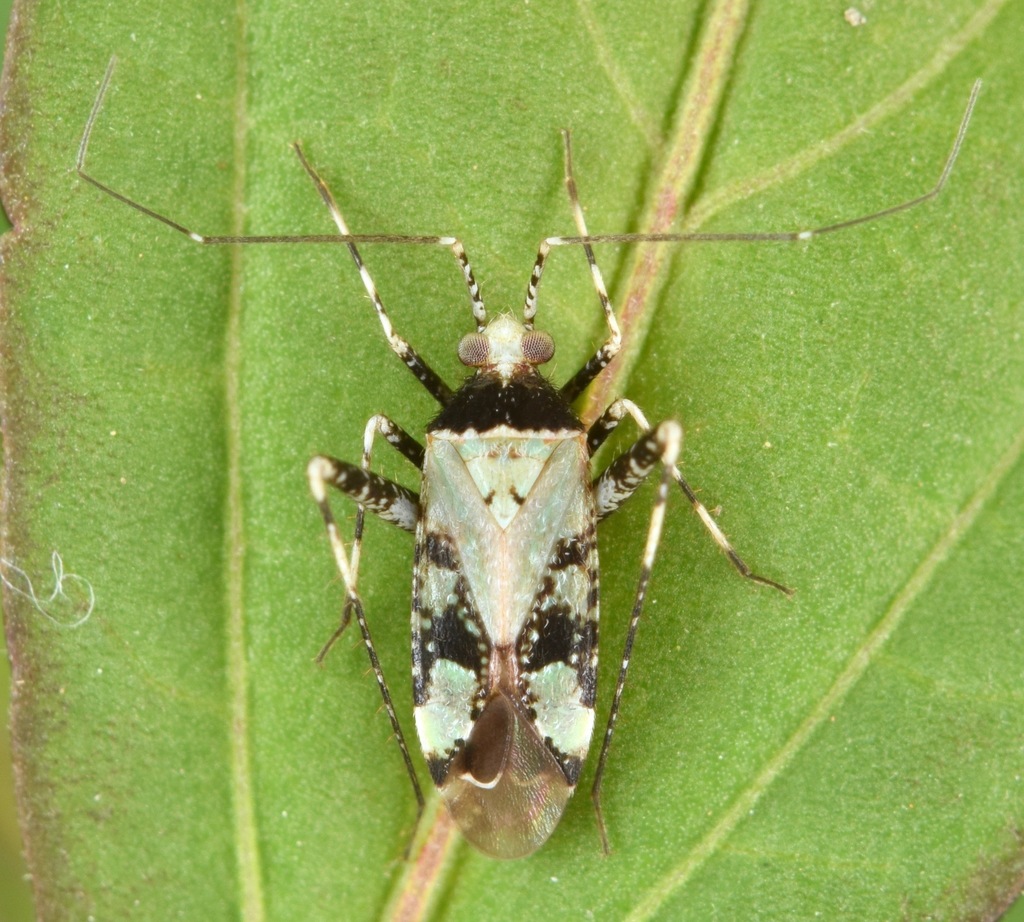
(c) skitterbug, some rights reserved (CC BY) · licence
Family: Miridae · Class: Insecta · Order: Hemiptera
Phytocoris roseus is a California animal in the Miridae family.
Phytocoris roseus is a plant bug in the family Miridae, order Hemiptera. This species belongs to a diverse genus of predatory and plant-feeding insects that are commonly found throughout North America. Like other members of the Miridae family, P. roseus likely possesses the characteristic piercing-sucking mouthparts and fragile body structure typical of plant bugs, though detailed morphological descriptions for this species remain limited in the scientific literature. The geographic distribution of Phytocoris roseus extends across multiple regions of North America. According to the U.S. Fish and Wildlife Service, this species occurs in both Canada and the United States, with documented populations in wildlife refuges including Billy Frank Jr. Nisqually National Wildlife Refuge, Conboy Lake National Wildlife Refuge, and Klamath Marsh National Wildlife Refuge (USFWS ECOS). The species has been identified as a Species of Greatest Conservation Need in New York State's Wildlife Action Plan, indicating its presence in northeastern regions as well (BugGuide 2016). This broad distribution suggests the species may have specific habitat requirements that span multiple biogeographic regions. Habitat preferences for P. roseus have not been extensively documented in the scientific literature. However, its occurrence in national wildlife refuges suggests an association with natural or semi-natural habitats that support diverse plant and invertebrate communities. The presence in wetland-associated refuges like Nisqually and Klamath Marsh may indicate a preference for riparian or marsh edge habitats, though this requires further confirmation through field studies. The ecological role and behavioral characteristics of P. roseus remain poorly understood due to limited research on this species. Members of the genus Phytocoris typically exhibit mixed feeding strategies, functioning as both predators of small arthropods and occasional plant feeders. The timing of reproduction, host plant associations, and seasonal activity patterns for P. roseus have not been well documented in available literature. Further research is needed to understand the species' life cycle, prey preferences, and reproductive ecology. The conservation status of Phytocoris roseus is not currently established under federal endangered species legislation, and the species does not appear on state conservation lists in California as of December 2025. However, its designation as a Species of Greatest Conservation Need in New York indicates that at least some populations may face conservation challenges. The specific threats to this species have not been identified, though habitat loss and degradation common to many invertebrate species may be factors. The lack of comprehensive biological and ecological data for P. roseus represents a significant knowledge gap that limits effective conservation planning. Systematic surveys and ecological studies would help establish population trends and habitat requirements necessary for appropriate management strategies.
Classification
Class: Insecta · Order: Hemiptera · Family: Miridae
Frequently asked questions
How is Phytocoris roseus classified?
Phytocoris roseus belongs to class Insecta, order Hemiptera, family Miridae.
What family does Phytocoris roseus belong to?
Phytocoris roseus is in the Miridae family.
What is Phytocoris roseus?
Phytocoris roseus is a plant bug in the family Miridae, order Hemiptera.
Is Phytocoris roseus found in California?
Yes. Phytocoris roseus is recorded in California in The California Species Project's catalogue.
Related species
Other California species in the same genus, family, or bioregion.
Data from The California Species Project — 14,000+ California species with verified data from CNPS, CDFW, USFWS, and more.