Pieris rapae
Cabbage White
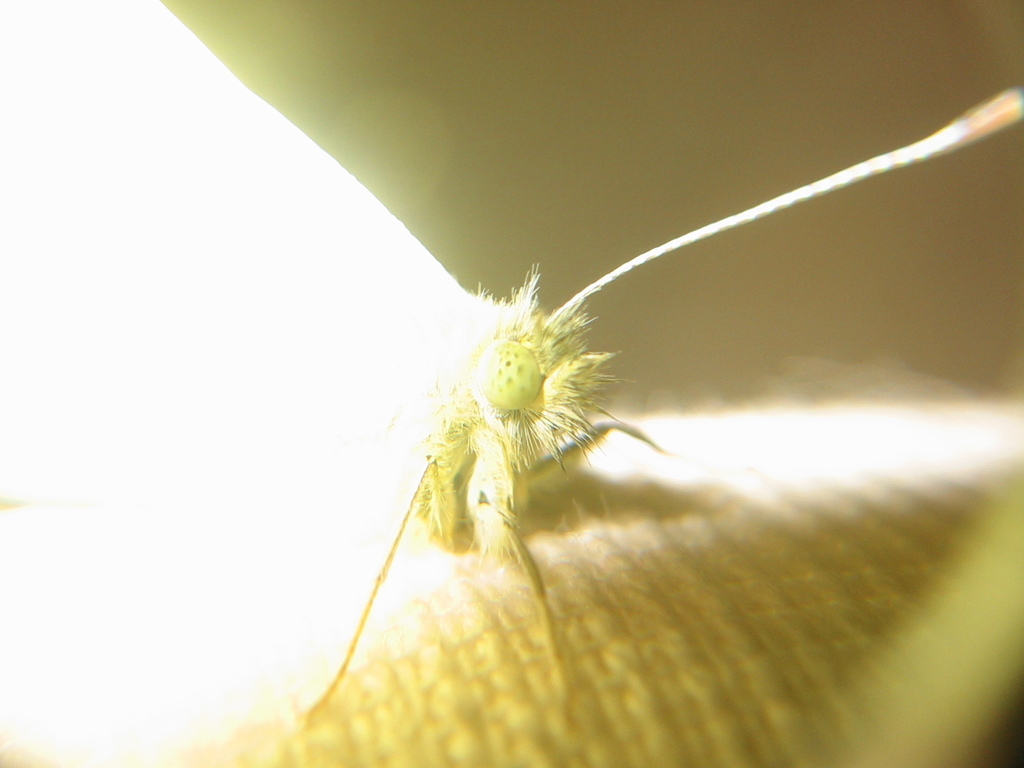
(c) Jon Sullivan, some rights reserved (CC BY) · licence
Family: Pieridae · Class: Insecta · Order: Lepidoptera
Pieris rapae (Cabbage White) is a California animal in the Pieridae family.
The Cabbage White (Pieris rapae) is a medium-sized butterfly with a wingspan ranging from 32 to 47 mm (1.3 to 1.9 inches). Males display white wings with a single black spot on each forewing and black wing tips, while females have two black spots on each forewing. The underwings are pale yellow-green with darker veining. Both sexes exhibit black antennae with white-checkered clubs and a white body with scattered dark scales. This species occurs from central Canada south through the United States, with the notable exception of Florida Keys, southern Louisiana, and South Texas, extending into northwest Mexico. In California, Cabbage White butterflies are found throughout the state from sea level to elevations exceeding 2,100 meters (7,000 feet), including urban areas, agricultural regions, and natural habitats. The species was accidentally introduced to North America from Europe around 1860 and has since become one of the continent's most widespread butterflies. Cabbage White butterflies inhabit diverse environments including gardens, agricultural fields, vacant lots, roadsides, and disturbed areas. They demonstrate strong preference for open, sunny locations with abundant host plants. The species thrives in human-modified landscapes and is commonly observed in vegetable gardens, parks, and suburban areas where cruciferous plants are cultivated. Host plants include many species in the mustard family (Brassicaceae) and occasionally some in the caper family (Capparidaceae). Primary hosts include cultivated brassicas such as cabbage, broccoli, cauliflower, kale, and radish, as well as wild mustards like field mustard and London rocket. Females lay single, pale yellow eggs on host plant leaves, typically on the undersides. Larvae are green caterpillars with yellow stripes and reach 25 mm (1 inch) in length. The species produces multiple generations annually, with continuous broods in warmer regions and 2-4 generations in temperate areas. Adults are active from March through November in California, depending on local climate conditions. Mating behavior involves males patrolling territories and engaging in courtship flights with females. Adults nectar on various flowers including mustards, dandelions, asters, and mints. Flight pattern is characterized by erratic, fluttering movement punctuated by brief gliding periods. Cabbage White butterflies have no special conservation status and are considered secure throughout their range. Population numbers remain stable or increasing across North America. The species' adaptability to human-modified environments and utilization of both native and introduced host plants has contributed to its success. In agricultural settings, larvae are sometimes considered minor pests on cruciferous crops, though they rarely cause significant economic damage. Climate change may potentially expand the species' range northward, though current populations show no evidence of decline requiring conservation intervention.
Classification
Class: Insecta · Order: Lepidoptera · Family: Pieridae
Frequently asked questions
How is Pieris rapae classified?
Pieris rapae belongs to class Insecta, order Lepidoptera, family Pieridae.
What family does Pieris rapae belong to?
Pieris rapae is in the Pieridae family.
What is Pieris rapae?
The Cabbage White (Pieris rapae) is a medium-sized butterfly with a wingspan ranging from 32 to 47 mm (1.3 to 1.9 inches).
Is Pieris rapae found in California?
Yes. Pieris rapae is recorded in California in The California Species Project's catalogue.
Related species
Other California species in the same genus, family, or bioregion.
Data from The California Species Project — 14,000+ California species with verified data from CNPS, CDFW, USFWS, and more.