Platichthys stellatus
Starry flounder
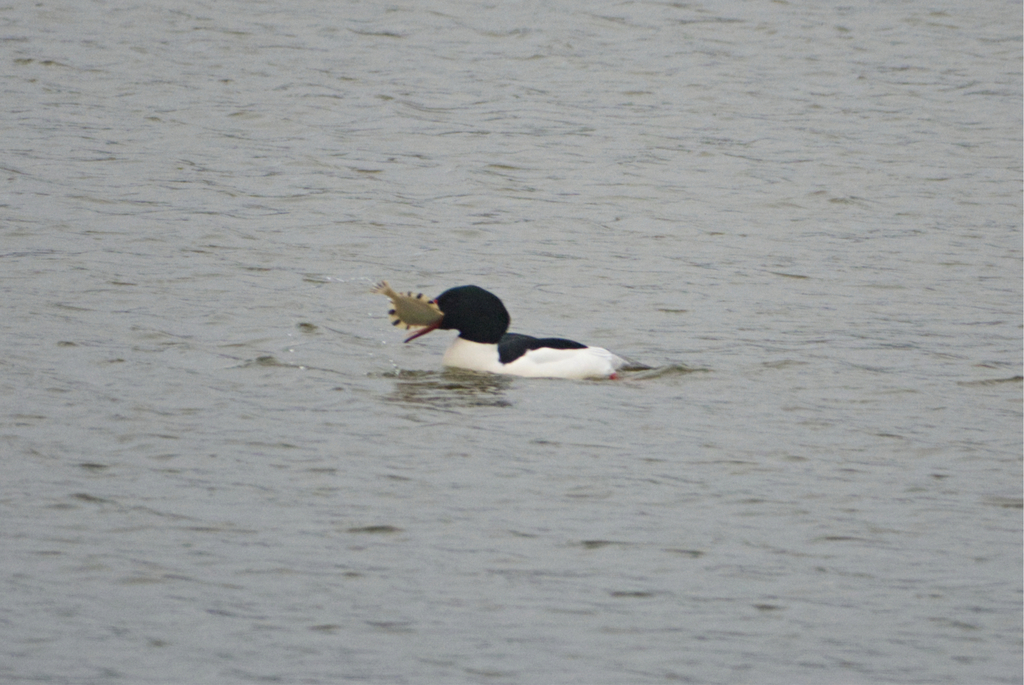
(c) Tuoichen, some rights reserved (CC BY) · licence
Family: Pleuronectidae · Class: Actinopterygii · Order: Pleuronectiformes
Platichthys stellatus (Starry flounder) is a California animal in the Pleuronectidae family.
The starry flounder (Platichthys stellatus) is a large flatfish species distinguished by its diamond-shaped body and distinctive star-like tubercles scattered across both sides of its body, from which it derives its common name. Adults typically reach lengths of 36 to 91 cm (14 to 36 inches), with females generally growing larger than males. Maximum recorded length approaches 91 cm (36 inches) and weight can exceed 9 kg (20 pounds). The body is compressed laterally and both eyes are positioned on one side of the head, typically the right side, though left-eyed individuals occur more frequently in this species than in most other flatfish. The dorsal surface ranges from dark brown to olive green with irregular dark blotting, while the ventral surface is white to cream colored. The distinctive rough, star-shaped scales (tubercles) cover both the eyed and blind sides, distinguishing starry flounder from other Pacific flatfish species. Starry flounder occur along the Pacific coast from Alaska to central California, with populations extending into the Bering Sea and as far south as Santa Barbara County. In California waters, the species is found from the Oregon border south to Point Conception, with occasional records further south. The species demonstrates anadromous behavior in northern portions of its range, migrating into estuaries and freshwater systems, while southern California populations remain primarily marine. This species inhabits a diverse range of coastal environments from intertidal zones to depths exceeding 375 meters (1,230 feet). Starry flounder occupy sandy and muddy substrates in bays, estuaries, and along the continental shelf. Juveniles commonly utilize shallow estuarine environments, including eelgrass beds and mudflats, while adults occur in deeper waters. The species tolerates a wide range of salinities, from full seawater to nearly fresh water in estuarine systems. Temperature preferences range from 2 to 22°C (36 to 72°F). Starry flounder are opportunistic predators that feed on a variety of benthic invertebrates and small fish. Primary prey items include polychaete worms, mollusks, crustaceans, and small fish. Feeding behavior involves burying in sediment with only the eyes exposed, waiting for prey to approach. Spawning occurs from late fall through early spring in offshore waters at depths of 91 to 183 meters (300 to 600 feet). Females broadcast pelagic eggs, with fecundity ranging from 400,000 to 4 million eggs depending on body size. Larvae are planktonic for several months before settling to benthic habitat. Sexual maturity is reached at 3 to 7 years of age. Starry flounder currently hold no special conservation status at federal or state levels and are classified as secure (N5 globally). Commercial and recreational fisheries target this species throughout its range, with landings managed under various state regulations. The species demonstrates resilience to fishing pressure due to its wide distribution, habitat flexibility, and relatively high reproductive output. However, estuarine habitat degradation and climate-induced oceanographic changes may affect local populations, particularly in California's heavily modified coastal systems.
Classification
Class: Actinopterygii · Order: Pleuronectiformes · Family: Pleuronectidae
Frequently asked questions
How is Platichthys stellatus classified?
Platichthys stellatus belongs to class Actinopterygii, order Pleuronectiformes, family Pleuronectidae.
What family does Platichthys stellatus belong to?
Platichthys stellatus is in the Pleuronectidae family.
What is Platichthys stellatus?
The starry flounder (Platichthys stellatus) is a large flatfish species distinguished by its diamond-shaped body and distinctive star-like tubercles scattered across both sides of its body, from which it derives its common name.
Is Platichthys stellatus found in California?
Yes. Platichthys stellatus is recorded in California in The California Species Project's catalogue.
More California species
This species has no close relatives in our California data — here are other species to explore.
Data from The California Species Project — 14,000+ California species with verified data from CNPS, CDFW, USFWS, and more.