Platypedia areolata
Salmonfly Cicada
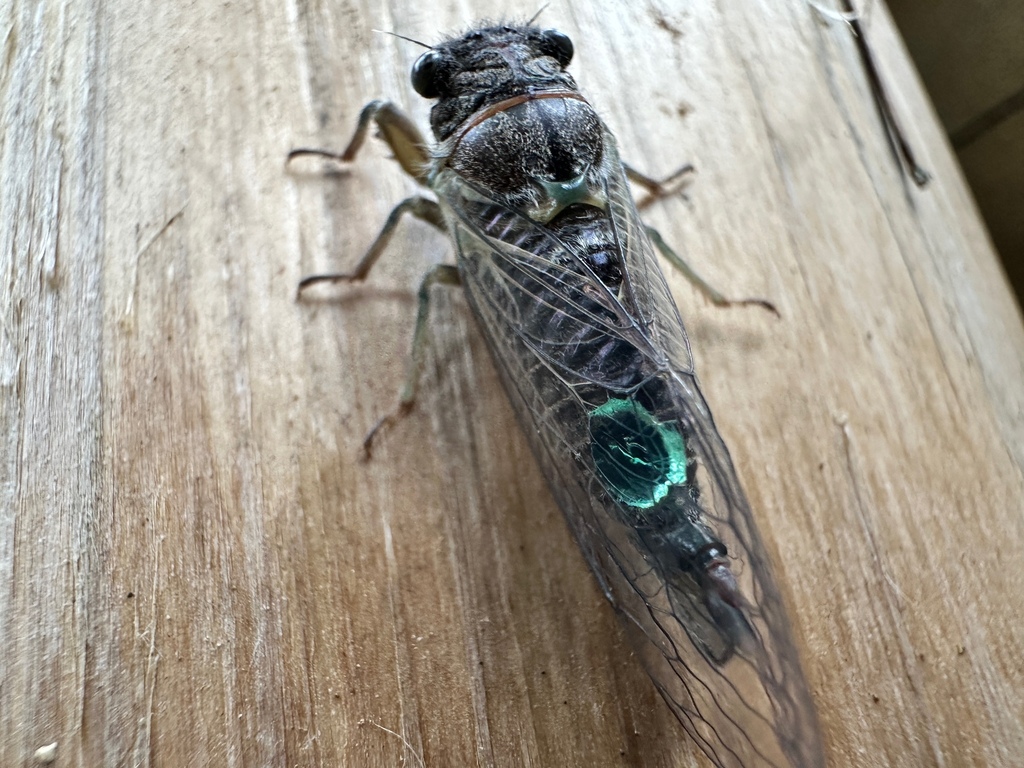
no rights reserved · CC0
Family: Cicadidae · Class: Insecta · Order: Hemiptera
Platypedia areolata (Salmonfly Cicada) is a California animal in the Cicadidae family.
The Salmonfly Cicada is a member of the genus Platypedia, a group of small, distinctive cicadas found throughout western North America. These cicadas are notably smaller than the large annual or periodical cicadas familiar to most people, with adults typically measuring 15-25 millimeters in body length. Members of the Platypedia genus are characterized by their relatively compact build, brownish coloration with darker markings, and clear wings with distinct venation patterns. The common name "salmonfly" derives from their association with areas where salmonflies (large stoneflies) are also found, typically near streams and riparian zones. Platypedia areolata occurs across portions of the western United States, with documented populations in California, Nevada, and other western states. In California, the species has been recorded in various mountainous and foothill regions, including observations from Los Angeles County at elevations around 2,000 feet (BugGuide). The species appears to have a patchy distribution across suitable habitat, which may reflect specific microhabitat requirements or limited dispersal capabilities. This cicada inhabits chaparral and mixed oak woodland communities, typically in areas with moderate elevation and Mediterranean climate conditions. Documented habitat includes chaparral and mixed oak environments in southern California, suggesting the species requires the specific plant communities and microclimatic conditions found in these ecosystems (BugGuide). The association with oak woodlands and chaparral indicates adaptation to the fire-prone landscapes characteristic of California's foothill regions. Like other Platypedia species, P. areolata likely has a multiyear life cycle with nymphs developing underground, feeding on tree and shrub root systems. Adults emerge during specific seasonal windows, typically coinciding with favorable temperature and moisture conditions. Male cicadas produce species-specific calling songs to attract females, though the acoustic characteristics of P. areolata calls have not been extensively documented. Females deposit eggs in woody plant tissues, where they develop before hatching and the nymphs drop to the ground to begin their subterranean development phase. The conservation status of Platypedia areolata has not been formally assessed by state or federal agencies, and the species does not appear on current threatened or endangered species lists. However, like many insects with specific habitat requirements, the species may face challenges from habitat loss, fragmentation, and climate change impacts on California's foothill ecosystems. Chaparral and oak woodland habitats have experienced significant conversion and degradation throughout the species' range due to urban development, agriculture, and altered fire regimes. The limited documentation of this species in scientific literature suggests either genuine rarity or insufficient survey effort, making assessment of population trends difficult. Additional research is needed to better understand the distribution, ecology, and conservation needs of this species. Citizen science observations through platforms like iNaturalist and BugGuide continue to provide valuable occurrence data for poorly documented species like P. areolata. Conservation of intact chaparral and oak woodland ecosystems will likely benefit this and other native cicada species that depend on these increasingly threatened California habitats.
Classification
Class: Insecta · Order: Hemiptera · Family: Cicadidae
Frequently asked questions
How is Platypedia areolata classified?
Platypedia areolata belongs to class Insecta, order Hemiptera, family Cicadidae.
What family does Platypedia areolata belong to?
Platypedia areolata is in the Cicadidae family.
What is Platypedia areolata?
The Salmonfly Cicada is a member of the genus Platypedia, a group of small, distinctive cicadas found throughout western North America.
Is Platypedia areolata found in California?
Yes. Platypedia areolata is recorded in California in The California Species Project's catalogue.
Related species
Other California species in the same genus, family, or bioregion.
Data from The California Species Project — 14,000+ California species with verified data from CNPS, CDFW, USFWS, and more.