Platypolia loda
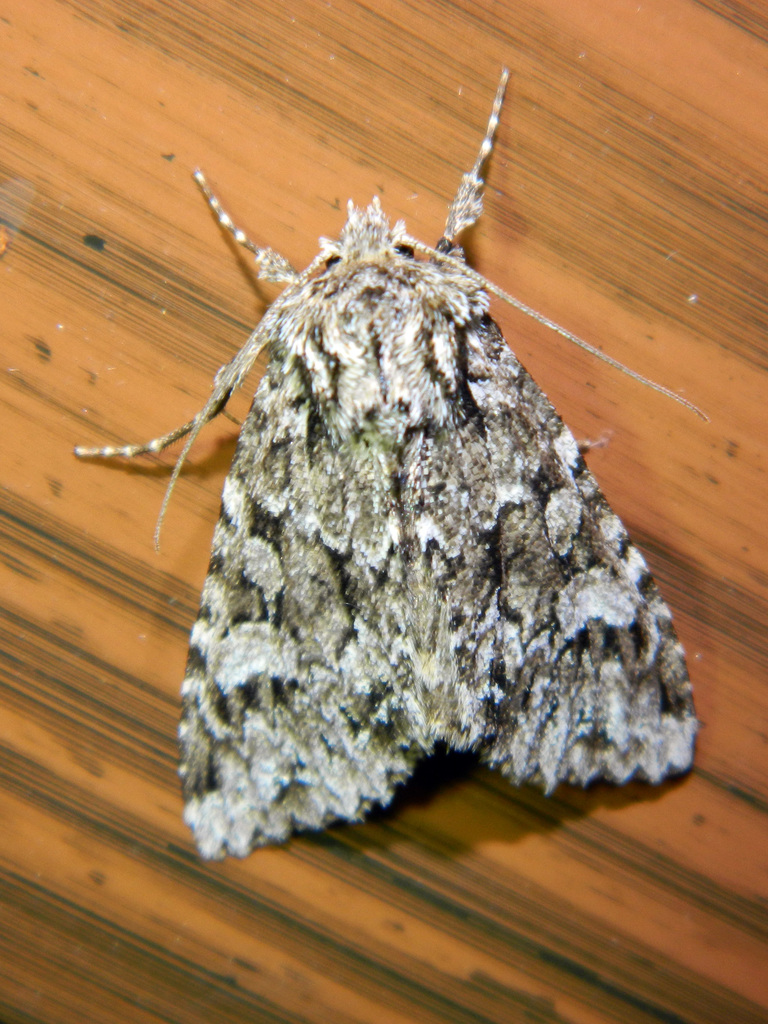
(c) Louis Imbeau, some rights reserved (CC BY) · licence
Family: Noctuidae · Class: Insecta · Order: Lepidoptera
Platypolia loda is a California animal in the Noctuidae family.
Platypolia loda is a moth species in the family Noctuidae, commonly known as owlet moths or cutworm moths. This nocturnal lepidopteran belongs to a diverse family containing over 11,000 described species worldwide. The genus Platypolia comprises several North American species that are typically medium-sized moths with cryptic wing patterns. The physical characteristics of P. loda align with typical Platypolia species, which generally measure 35 to 45 mm in wingspan. The forewings typically display mottled gray and brown coloration with subtle darker markings that provide effective camouflage when the moth rests on tree bark or other natural surfaces during daylight hours. The hindwings are generally paler, often whitish or light gray. Like other noctuids, P. loda possesses feathery or thread-like antennae, with males typically having more prominent antennal structures than females. The distribution and range of Platypolia loda in California requires verification from current taxonomic databases and moth surveys. Members of the genus Platypolia are generally distributed across western North America, with several species occurring in California's diverse ecosystems. The specific range of P. loda within the state has not been comprehensively documented in readily available sources. Habitat preferences for P. loda likely follow patterns typical of related Platypolia species, which generally inhabit forested and woodland areas. These moths are typically associated with coniferous and mixed forests, where their larvae develop on various host plants. The elevation range and specific microhabitat requirements for this species require further research and documentation. The life cycle of P. loda follows the typical noctuid pattern of complete metamorphosis. Adults are active during nighttime hours and are attracted to artificial lights. Mating and egg-laying likely occur during specific seasonal periods, though the exact timing for P. loda has not been well-documented. Larvae, commonly called cutworms, typically feed on herbaceous plants and may cause agricultural damage in some cases. The larval host plants and feeding behavior of P. loda specifically remain poorly documented. P. loda does not appear on current federal or California state endangered species lists, suggesting it is not considered immediately threatened with extinction. However, the conservation status of this species is difficult to assess due to limited available data on population trends, distribution, and ecological requirements. Many moth species face pressure from habitat loss, light pollution, and climate change, though the specific impacts on P. loda are unknown. The species may benefit from broader conservation efforts focused on maintaining forest ecosystems and reducing artificial lighting in natural areas. Further research is needed to establish comprehensive information about P. loda's distribution, habitat requirements, life history, and conservation needs. Moth surveys and taxonomic studies would help clarify the species' status and ecological role within California's lepidopteran fauna.
Classification
Class: Insecta · Order: Lepidoptera · Family: Noctuidae
Frequently asked questions
How is Platypolia loda classified?
Platypolia loda belongs to class Insecta, order Lepidoptera, family Noctuidae.
What family does Platypolia loda belong to?
Platypolia loda is in the Noctuidae family.
What is Platypolia loda?
Platypolia loda is a moth species in the family Noctuidae, commonly known as owlet moths or cutworm moths.
Is Platypolia loda found in California?
Yes. Platypolia loda is recorded in California in The California Species Project's catalogue.
Related species
Other California species in the same genus, family, or bioregion.
Data from The California Species Project — 14,000+ California species with verified data from CNPS, CDFW, USFWS, and more.