Platyptilia williamsii
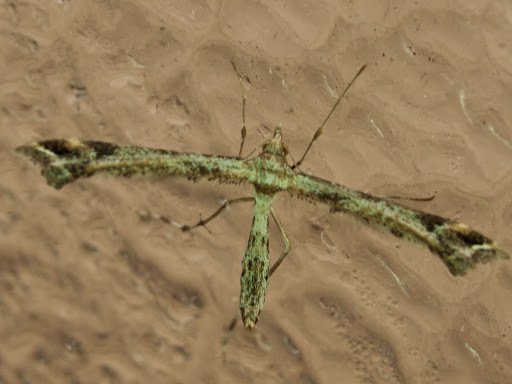
(c) folini, some rights reserved (CC BY) · licence
Family: Pterophoridae · Class: Insecta · Order: Lepidoptera
Platyptilia williamsii is a California animal in the Pterophoridae family.
Platyptilia williamsii is a small moth in the family Pterophoridae, commonly known as plume moths. This species belongs to a family characterized by their distinctive wing structure, where the forewings are typically divided into two feather-like plumes and the hindwings into three plumes, creating a T-shaped appearance when at rest. Adult Platyptilia williamsii likely measures 15-25 mm in wingspan, consistent with other members of the genus, though specific morphometric data for this species remains limited in the literature. The range and distribution of Platyptilia williamsii is poorly documented in available scientific literature. The species appears to be known from limited localities, though comprehensive distribution data is not readily available through standard entomological databases or recent surveys. As with many microlepidoptera, the species' range may be underrepresented due to limited taxonomic expertise and survey efforts focused on this group. Habitat requirements for Platyptilia williamsii are not well-established in the current literature. Plume moths typically inhabit areas where their host plants occur, and many species show strong fidelity to specific plant communities. The elevation range, vegetation associations, and microhabitat preferences for this species require further research to establish clear ecological parameters. The life history and ecological behavior of Platyptilia williamsii remains largely unstudied. Most Pterophoridae species are univoltine, producing one generation per year, with larvae developing as leaf feeders, stem borers, or flower/seed feeders on their host plants. Adult flight periods typically occur during warmer months, though specific timing varies by species and geographic location. Larval host plant associations are critical for understanding species ecology, but no verified host plants have been documented for P. williamsii in accessible literature. The conservation status of Platyptilia williamsii is not established through any formal assessment. The species does not appear on federal or California state lists of threatened or endangered species as of December 2025. However, the lack of comprehensive survey data and limited taxonomic knowledge of pterophorid moths means that the species' conservation needs may be poorly understood. Many microlepidoptera face threats from habitat loss, pesticide use, and climate change, but specific threat assessments require baseline population and ecological data. This species represents the broader challenge in invertebrate conservation, where many taxa remain poorly studied despite their potential ecological importance. The Pterophoridae family includes species that serve as pollinators and herbivores in various ecosystems, and some species have narrow host plant requirements that make them vulnerable to environmental changes. Further research is needed to establish basic biological information for P. williamsii, including host plant associations, distribution patterns, and population status, before meaningful conservation assessments can be conducted.
Classification
Class: Insecta · Order: Lepidoptera · Family: Pterophoridae
Frequently asked questions
How is Platyptilia williamsii classified?
Platyptilia williamsii belongs to class Insecta, order Lepidoptera, family Pterophoridae.
What family does Platyptilia williamsii belong to?
Platyptilia williamsii is in the Pterophoridae family.
What is Platyptilia williamsii?
Platyptilia williamsii is a small moth in the family Pterophoridae, commonly known as plume moths.
Is Platyptilia williamsii found in California?
Yes. Platyptilia williamsii is recorded in California in The California Species Project's catalogue.
Related species
Other California species in the same genus, family, or bioregion.
Data from The California Species Project — 14,000+ California species with verified data from CNPS, CDFW, USFWS, and more.