Podarcis siculus
Italian Wall Lizard
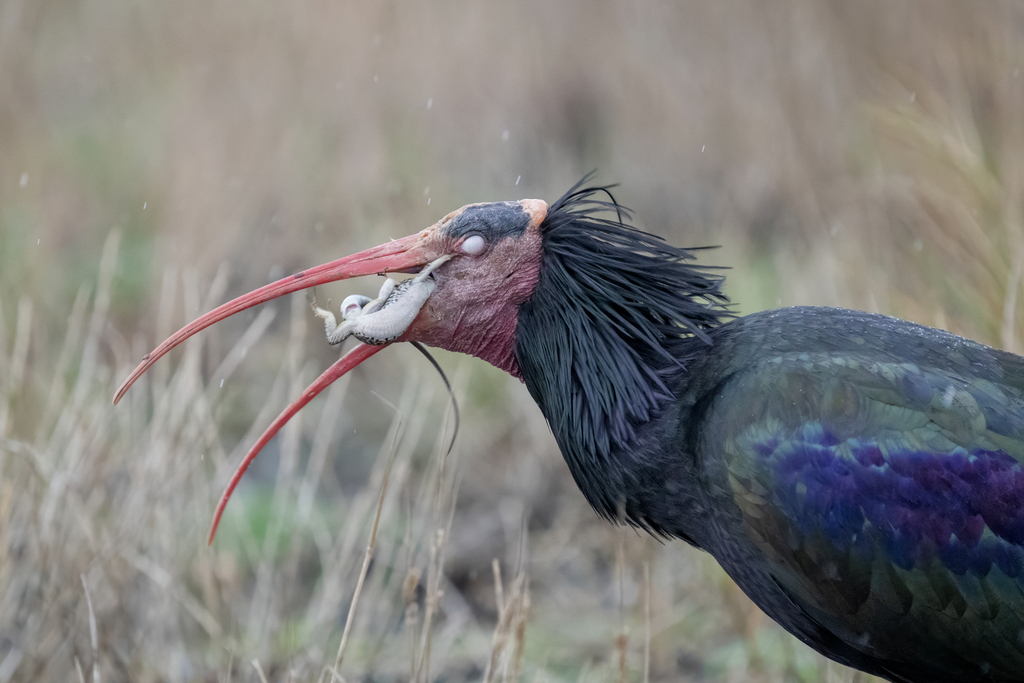
(c) Andrea Poggi, some rights reserved (CC BY) · licence
Family: Lacertidae · Class: Reptilia · Order: Squamata
Podarcis siculus (Italian Wall Lizard) is a California animal in the Lacertidae family.
The Italian wall lizard is a small to medium-sized lacertid lizard native to the Italian Peninsula and surrounding Mediterranean islands. Adults typically measure 15 to 20 cm (5.9 to 7.9 inches) in total length, with roughly half comprising the tail. The species exhibits considerable color variation, with dorsal coloration ranging from brown to green or gray, often featuring darker longitudinal stripes or reticulated patterns. Males typically display more vibrant coloration during breeding season, with bright green or blue throat patches and enhanced body coloration. The ventral surface is generally white to cream-colored, sometimes with dark spotting along the margins. Podarcis siculus is indigenous to Italy, including Sicily, Sardinia, and several smaller Mediterranean islands. However, the species has established numerous introduced populations outside its native range, including documented occurrences in various Mediterranean countries, parts of Europe, and several locations in North America. In California, small populations have been reported in urban areas, though their establishment status and distribution require further documentation. The species demonstrates extensive habitat adaptability, thriving in rocky areas, stone walls, building foundations, gardens, and disturbed urban environments. Italian wall lizards prefer habitats with abundant crevices and basking sites, including natural rock formations, retaining walls, and human-made structures. They are commonly found from sea level to elevations exceeding 1,800 meters (5,900 feet) in their native range. The species tolerates various substrate types and vegetation densities, from sparse rocky areas to moderately vegetated gardens and park settings. Italian wall lizards are diurnal and highly active, exhibiting typical lacertid behaviors including territorial displays and rapid escape responses. They are primarily insectivorous, feeding on a diverse array of arthropods including ants, beetles, flies, spiders, and small lepidopteran larvae. Reproductive activity typically occurs from April through July in Mediterranean climates. Females deposit clutches of 2 to 8 eggs in soil crevices or under rocks, with incubation periods ranging from 45 to 70 days depending on temperature. Multiple clutches per season are common under favorable conditions. The species exhibits strong site fidelity and established social hierarchies, particularly among males during breeding season. The Italian wall lizard is not federally or state-listed in California, and its conservation status varies by region. Within its native range, populations appear stable and the species is considered of least concern globally. However, as an introduced species in non-native locations, it may pose ecological concerns through competition with native reptiles and potential impacts on arthropod communities. In California, the extent and impact of established populations remain poorly documented. Climate change may facilitate range expansion in suitable habitat, particularly in Mediterranean climate zones. Management approaches in introduced ranges focus on preventing establishment of new populations and monitoring existing colonies for ecological impacts.
Classification
Class: Reptilia · Order: Squamata · Family: Lacertidae
Frequently asked questions
How is Podarcis siculus classified?
Podarcis siculus belongs to class Reptilia, order Squamata, family Lacertidae.
What family does Podarcis siculus belong to?
Podarcis siculus is in the Lacertidae family.
What is Podarcis siculus?
The Italian wall lizard is a small to medium-sized lacertid lizard native to the Italian Peninsula and surrounding Mediterranean islands.
Is Podarcis siculus found in California?
Yes. Podarcis siculus is recorded in California in The California Species Project's catalogue.
More California species
This species has no close relatives in our California data — here are other species to explore.
Data from The California Species Project — 14,000+ California species with verified data from CNPS, CDFW, USFWS, and more.