Poecilia mexicana
Shortfin molly
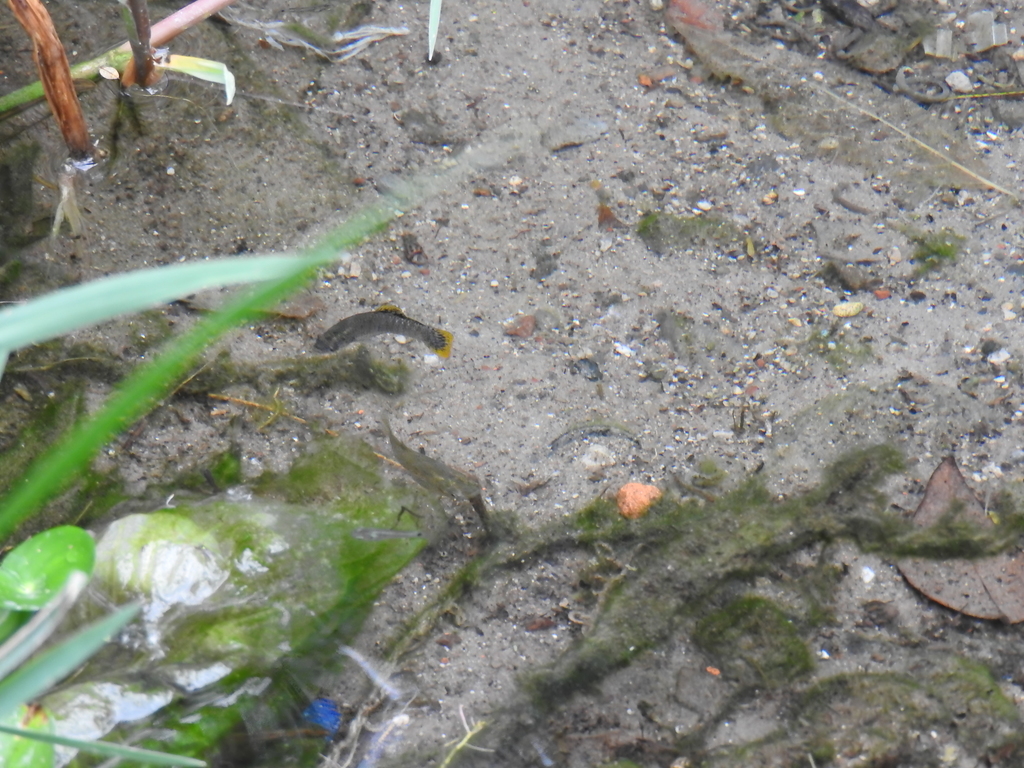
(c) Oscar Alejandro Morales Juárez, some rights reserved (CC BY-SA) · licence
Family: Poeciliidae · Class: Actinopterygii · Order: Cyprinodontiformes
Poecilia mexicana (Shortfin molly) is a California animal in the Poeciliidae family.
The shortfin molly is a small freshwater fish native to coastal regions of Mexico and Central America. Adult shortfin mollies typically measure 6 to 12 centimeters (2.4 to 4.7 inches) in total length, with females generally larger than males. Wild populations display variable coloration, with males often exhibiting darker pigmentation and more pronounced finnage. The dorsal fin is positioned in the posterior half of the body, and males possess a modified anal fin called a gonopodium used for reproduction. The caudal fin is rounded to slightly pointed, distinguishing it from the sailfin molly which has an enlarged dorsal fin. Naturally, Poecilia mexicana inhabits coastal freshwater systems from Mexico through Guatemala and Belize, including the Yucatan Peninsula and Atlantic coastal plains. The species occurs in rivers, cenotes, lagoons, and associated tributaries within this native range. In California, shortfin mollies are present as introduced populations in various water bodies, though specific establishment locations and extent of distribution require further documentation. Shortfin mollies inhabit shallow, slow-moving or static freshwater environments with abundant vegetation. They demonstrate high salinity tolerance, surviving in brackish conditions and even temporarily in saltwater. Water temperatures between 22 to 28 degrees Celsius (72 to 82 degrees Fahrenheit) are optimal, though the species tolerates a broader range. They prefer areas with dense aquatic vegetation, fallen logs, and other structural complexity that provides shelter and foraging opportunities. This species exhibits ovoviviparous reproduction, with females giving birth to live young after internal fertilization. Gestation periods range from 24 to 30 days, with brood sizes typically between 20 to 80 fry depending on female size and environmental conditions. Sexual maturity occurs at approximately 3 to 4 months of age. Shortfin mollies are omnivorous, feeding on algae, small invertebrates, detritus, and plant matter. They display schooling behavior and are active during daylight hours. Males establish territories during breeding and perform courtship displays involving fin extension and lateral body positioning. The shortfin molly has no federal or state conservation listing status in California, as it is a non-native species. In its native range, populations face pressure from habitat modification, pollution, and water diversions, though the species is not considered globally threatened. The widespread aquarium trade has resulted in established populations outside the native range in many countries. In California waters, introduced mollies may compete with native fish species for resources and habitat, though comprehensive impact assessments are limited. Their ability to reproduce rapidly and tolerate diverse environmental conditions makes them persistent once established in suitable habitat.
Classification
Class: Actinopterygii · Order: Cyprinodontiformes · Family: Poeciliidae
Frequently asked questions
How is Poecilia mexicana classified?
Poecilia mexicana belongs to class Actinopterygii, order Cyprinodontiformes, family Poeciliidae.
What family does Poecilia mexicana belong to?
Poecilia mexicana is in the Poeciliidae family.
What is Poecilia mexicana?
The shortfin molly is a small freshwater fish native to coastal regions of Mexico and Central America.
Is Poecilia mexicana found in California?
Yes. Poecilia mexicana is recorded in California in The California Species Project's catalogue.
Related species
Other California species in the same genus, family, or bioregion.
Data from The California Species Project — 14,000+ California species with verified data from CNPS, CDFW, USFWS, and more.