Pogonichthys ciscoides
Clear Lake splittail
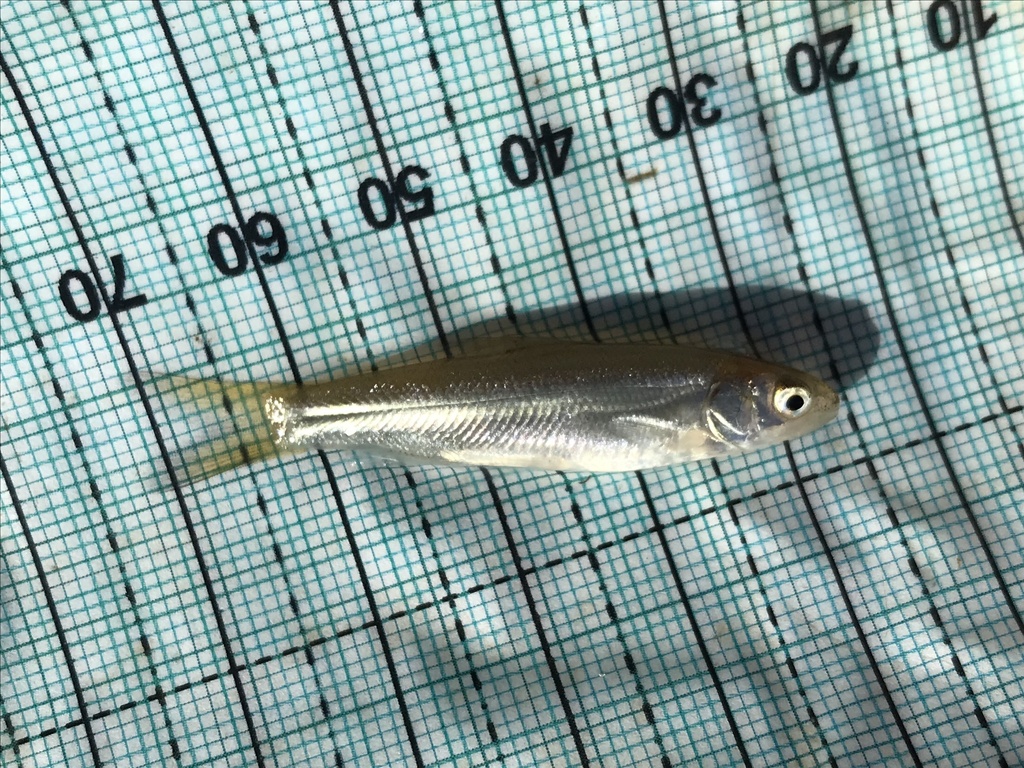
(c) Ryan Donnelly, some rights reserved (CC BY) · licence
Family: Leuciscidae · Class: Actinopterygii · Order: Cypriniformes
Pogonichthys ciscoides (Clear Lake splittail) is a California animal in the Leuciscidae family.
The Clear Lake splittail (Pogonichthys ciscoides) is a freshwater cyprinid fish endemic to California's Clear Lake system in Lake County. This species is distinguished from the more widespread Sacramento splittail (Pogonichthys macrolepidotus) by its smaller size, different scale counts, and unique genetic characteristics. Adults typically measure 150 to 300 mm (6 to 12 inches) in total length, with a streamlined body adapted for life in shallow lake environments. The species exhibits the characteristic splittail body form with an elongated, somewhat compressed profile and a distinctive forked caudal fin with unequal lobes, giving rise to the "splittail" common name. Historically, the Clear Lake splittail was endemic exclusively to Clear Lake, California's largest natural freshwater lake, located in Lake County approximately 120 kilometers north of San Francisco. The species inhabited the shallow, vegetated areas of this ancient lake system, which formed over two million years ago. Clear Lake's unique geological history and isolated nature allowed for the evolution of several endemic species, including this splittail. The Clear Lake splittail inhabited shallow littoral zones with abundant aquatic vegetation, particularly areas with tule and cattail marshes. The species preferred depths of 1 to 3 meters during most of the year, moving to even shallower areas during spawning periods. Water temperatures in Clear Lake range from 4°C in winter to over 20°C in summer, and the species was adapted to this thermal regime. The lake's naturally alkaline waters (pH 7.5-9.0) and moderate turbidity provided suitable conditions for the splittail's feeding and reproductive behaviors. Clear Lake splittail were omnivorous, feeding on algae, small invertebrates, plant material, and detritus. Spawning occurred in spring when water temperatures reached approximately 16°C, typically in shallow areas over gravel or rocky substrates. Like other splittails, females likely produced adhesive eggs that attached to vegetation or hard surfaces. The species exhibited typical cyprinid reproductive characteristics, with external fertilization and no parental care of offspring. The Clear Lake splittail is considered extinct, with the last confirmed specimens collected in the 1970s. The species was never afforded federal protection under the Endangered Species Act, and no state listing status was established before its apparent extinction. Primary factors in the species' decline included habitat degradation from agricultural runoff, introduction of non-native fish species, and water level fluctuations. The introduction of largemouth bass, bluegill, and other predatory and competitive species fundamentally altered Clear Lake's ecosystem. Additionally, nutrient loading from surrounding agricultural activities led to eutrophication and algal blooms that degraded water quality. No recovery efforts were implemented before the species' extinction, and no individuals have been documented in recent comprehensive fish surveys of Clear Lake conducted by the California Department of Fish and Wildlife.
Classification
Class: Actinopterygii · Order: Cypriniformes · Family: Leuciscidae
Frequently asked questions
How is Pogonichthys ciscoides classified?
Pogonichthys ciscoides belongs to class Actinopterygii, order Cypriniformes, family Leuciscidae.
What family does Pogonichthys ciscoides belong to?
Pogonichthys ciscoides is in the Leuciscidae family.
What is Pogonichthys ciscoides?
The Clear Lake splittail (Pogonichthys ciscoides) is a freshwater cyprinid fish endemic to California's Clear Lake system in Lake County.
Is Pogonichthys ciscoides found in California?
Yes. Pogonichthys ciscoides is recorded in California in The California Species Project's catalogue.
Related species
Other California species in the same genus, family, or bioregion.
Data from The California Species Project — 14,000+ California species with verified data from CNPS, CDFW, USFWS, and more.